Esophageal Reflux
Esophageal Reflux is a common digestive condition characterized by the backward flow of stomach acid into the esophagus. This article explores the nature of this condition, its common symptoms and underlying causes, and effective strategies for its management.

Key Takeaways
- Esophageal Reflux occurs when stomach contents flow back into the esophagus, causing irritation.
- Common symptoms include heartburn, regurgitation, and difficulty swallowing.
- Causes range from lifestyle factors and diet to anatomical issues.
- Treatment involves lifestyle modifications, dietary changes, and sometimes medication.
- Managing the condition can significantly improve quality of life and prevent complications.
What is Esophageal Reflux?
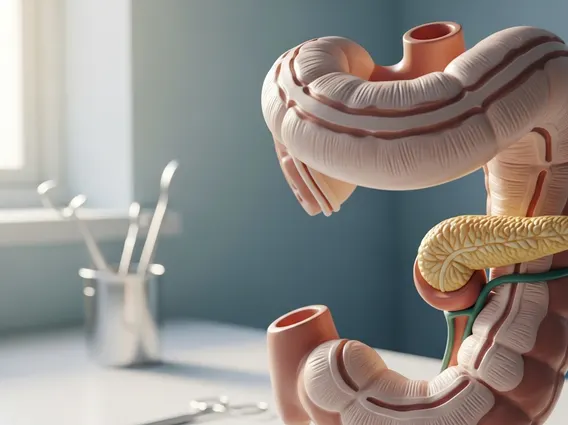
Esophageal Reflux refers to the backward flow of stomach contents, including acid and digestive enzymes, into the esophagus. This occurs when the lower esophageal sphincter (LES), a ring of muscle at the junction of the esophagus and stomach, weakens or relaxes inappropriately. While occasional reflux is common and often harmless, persistent or severe reflux can lead to more serious conditions like gastroesophageal reflux disease (GERD), which affects a significant portion of the population. For instance, it is estimated that GERD affects approximately 20% of adults in Western countries, according to data from organizations like the American College of Gastroenterology. The repeated exposure of the esophageal lining to stomach acid can cause inflammation, known as esophagitis, and over time, may lead to complications such as strictures or Barrett’s esophagus.
Esophageal Reflux Symptoms and Causes
Understanding the esophageal reflux symptoms causes is crucial for effective diagnosis and management. The symptoms can vary in intensity and frequency, often impacting daily life.
Common symptoms include:
- Heartburn: A burning sensation in the chest, often after eating, which may worsen when lying down or bending over.
- Regurgitation: The sensation of acid or food backing up into the throat or mouth.
- Dysphagia: Difficulty or pain when swallowing.
- Globus sensation: The feeling of a lump in the throat.
- Chronic cough or hoarseness: Caused by acid irritating the vocal cords and airways.
- Chest pain: Non-cardiac chest pain that can mimic heart attack symptoms.
Several factors contribute to the development of esophageal reflux:
- Weakened Lower Esophageal Sphincter (LES): The most common cause, allowing stomach contents to reflux.
- Hiatal Hernia: A condition where part of the stomach pushes up through the diaphragm, weakening the LES.
- Dietary Choices: Certain foods and beverages can trigger or worsen reflux, such as fatty foods, spicy foods, chocolate, caffeine, alcohol, and acidic fruits.
- Obesity: Increased abdominal pressure can push stomach contents upwards.
- Pregnancy: Hormonal changes and increased abdominal pressure contribute to reflux.
- Smoking: Nicotine can relax the LES and impair saliva production, which helps neutralize acid.
- Certain Medications: Some drugs, like NSAIDs, calcium channel blockers, and anticholinergics, can relax the LES or irritate the esophagus.
Treating Esophageal Reflux: Therapies and Diet Changes
Effective management of esophageal reflux often involves a combination of lifestyle modifications, dietary adjustments, and sometimes medication. The goal is to reduce acid reflux, alleviate symptoms, and prevent complications.
Therapies for esophageal reflux include:
- Lifestyle Modifications:
- Weight Management: Losing excess weight can reduce abdominal pressure.
- Elevating the Head of the Bed: Raising the head of the bed by 6-8 inches can help gravity keep stomach acid down during sleep.
- Avoiding Late Meals: Eating at least 2-3 hours before bedtime allows for digestion.
- Quitting Smoking: Eliminating nicotine can improve LES function.
- Wearing Loose-fitting Clothing: Tight clothing around the abdomen can increase pressure.
- Medications: Over-the-counter and prescription medications can help manage symptoms.
- Antacids: Provide quick, temporary relief by neutralizing stomach acid.
- H2 Blockers: Reduce acid production (e.g., famotidine).
- Proton Pump Inhibitors (PPIs): Potently block acid production and allow the esophagus to heal (e.g., omeprazole, lansoprazole).
- Surgical Options: For severe cases unresponsive to other treatments, surgery (e.g., fundoplication) may be considered to strengthen the LES.
Significant esophageal reflux diet changes are often a cornerstone of treatment. Identifying and avoiding trigger foods is paramount. While triggers can vary among individuals, common dietary recommendations include:
- Reducing consumption of fatty and fried foods.
- Limiting intake of spicy foods, chocolate, peppermint, and caffeine.
- Avoiding acidic foods and beverages like citrus fruits, tomatoes, and carbonated drinks.
- Opting for smaller, more frequent meals instead of large ones.
- Increasing fiber intake, which can aid digestion.
It is important to note that information regarding dietary changes and lifestyle modifications is supportive and does not replace professional medical advice or prescribed treatments. Always consult with a healthcare provider for a personalized diagnosis and treatment plan.