Eructation
Eructation, commonly known as burping or belching, is the involuntary or voluntary expulsion of gas from the stomach through the mouth. While often a normal physiological process, frequent or excessive eructation can sometimes indicate an underlying medical condition or lifestyle factor.

Key Takeaways
- Eructation is the release of swallowed air from the stomach, a common bodily function.
- Excessive burping is often caused by aerophagia (swallowing too much air) due to habits like eating too fast, drinking carbonated beverages, or anxiety.
- Underlying conditions such as GERD, dyspepsia, or H. pylori infection can also contribute to frequent eructation.
- Symptoms typically include the sound and sensation of gas expulsion, sometimes accompanied by abdominal discomfort.
- Relief strategies focus on lifestyle modifications, dietary changes, and addressing any underlying medical issues.
What is Eructation and its Causes?
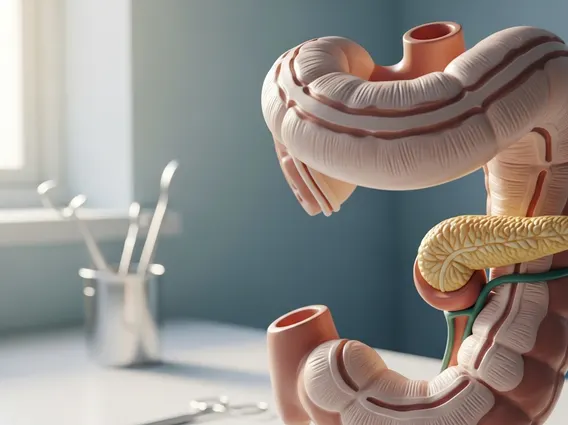
Eructation refers to the process of expelling gas from the upper digestive tract, primarily the stomach, through the mouth. This gas is predominantly swallowed air, a phenomenon known as aerophagia. While occasional burping is a normal part of digestion, frequent or persistent eructation can be bothersome and may prompt individuals to seek medical advice.
The primary cause of eructation is the accumulation of air in the stomach. This air can be introduced through various means, including eating or drinking too quickly, consuming carbonated beverages, chewing gum, smoking, or even wearing ill-fitting dentures. In some cases, anxiety or stress can lead to increased air swallowing, contributing to more frequent burping.
Why Do I Experience Excessive Burping?
Excessive burping often stems from an increased intake of air into the digestive system, or from conditions that cause gas to build up or be retained in the stomach. Beyond common habits, certain medical conditions can significantly contribute to this symptom. For instance, gastroesophageal reflux disease (GERD) can cause individuals to swallow more air in an attempt to clear their throat, leading to increased eructation. Functional dyspepsia, a condition characterized by persistent indigestion without an identifiable cause, is also frequently associated with excessive burping. Studies suggest that functional dyspepsia affects approximately 5-11% of the global population, with eructation being a common symptom among those affected, according to a review published in the Journal of Gastroenterology and Hepatology.
Other potential causes include:
- Gastroparesis: Delayed stomach emptying can lead to gas buildup.
- H. pylori infection: This bacterial infection can cause inflammation and gas.
- Irritable Bowel Syndrome (IBS): While primarily affecting the lower gut, IBS can sometimes manifest with upper GI symptoms like burping.
- Certain medications: Some drugs can increase gas production or air swallowing.
Symptoms and Treatment for Eructation
The main symptom of eructation is the audible release of gas from the mouth, often accompanied by a distinct sound and sensation in the chest or throat. While typically not painful, excessive burping can sometimes be associated with abdominal bloating, discomfort, or a feeling of fullness. In some cases, it may be accompanied by heartburn or regurgitation, especially if an underlying condition like GERD is present. The frequency and intensity of eructation can vary greatly among individuals, ranging from occasional occurrences to persistent episodes throughout the day.
How to Relieve Frequent Eructation
Relief for frequent eructation primarily involves identifying and addressing the underlying causes, whether they are lifestyle habits or medical conditions. Lifestyle modifications are often the first line of approach and can significantly reduce the incidence of burping. If these changes are insufficient, medical treatments may be considered.
Effective strategies for relief include:
- Eating and Drinking Slowly: This reduces the amount of air swallowed with food and liquids.
- Avoiding Carbonated Beverages: The gas in these drinks directly contributes to stomach gas.
- Limiting Gum Chewing and Hard Candies: These activities can lead to increased air swallowing.
- Identifying Trigger Foods: Some foods, like beans, lentils, onions, and certain fruits, can produce more gas in the digestive system.
- Managing Stress and Anxiety: Techniques such as meditation or deep breathing can help reduce aerophagia related to stress.
- Over-the-Counter Remedies: Antacids or simethicone-containing products may provide temporary relief by breaking down gas bubbles, though they do not address the root cause of air swallowing.
For individuals whose eructation is linked to an underlying medical condition, treatment will focus on managing that specific condition. For example, proton pump inhibitors (PPIs) may be prescribed for GERD, or antibiotics for an H. pylori infection. It is important to consult a healthcare professional for an accurate diagnosis and personalized treatment plan, especially if eructation is persistent, severe, or accompanied by other concerning symptoms like weight loss, difficulty swallowing, or persistent abdominal pain.