Erection
An erection is a complex physiological process involving the nervous system, blood vessels, and hormones, essential for sexual function. Understanding its mechanics and potential challenges is crucial for overall health and well-being.
Key Takeaways
- An erection is the stiffening and enlargement of the penis due to increased blood flow, primarily driven by sexual arousal.
- The process involves nerve signals, relaxation of smooth muscles, and trapping of blood within the penile tissues.
- Erection problems, often referred to as erectile dysfunction, can stem from various physical and psychological factors.
- Common causes include cardiovascular disease, diabetes, neurological conditions, hormonal imbalances, stress, and anxiety.
- Lifestyle choices and underlying health conditions significantly influence erectile function.
What is Erection and How It Works
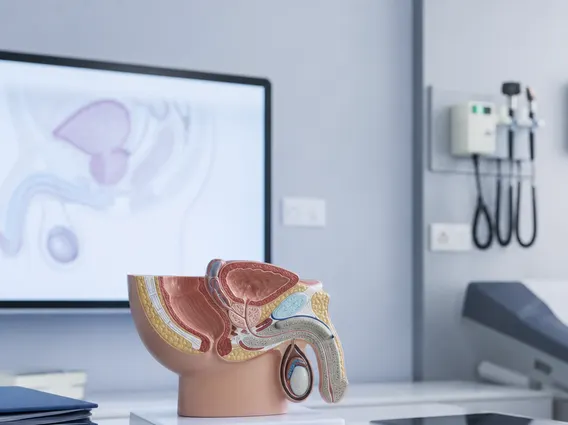
Erection refers to the physiological process where the penis becomes firm and enlarged, typically in response to sexual arousal. This phenomenon is critical for sexual intercourse and involves a coordinated effort between the brain, nerves, hormones, and blood vessels. It is a vascular event, meaning it primarily involves changes in blood flow to the penis.
The process of how an erection works begins with sexual stimulation, which can be physical or psychological. This stimulation triggers nerve signals from the brain and spinal cord to the penis. These signals cause the smooth muscles in the penile arteries to relax, allowing a significant increase in blood flow into two sponge-like chambers within the penis called the corpora cavernosa. As these chambers fill with blood, they expand, compressing the veins that normally drain blood from the penis. This trapping of blood causes the penis to stiffen and become erect.
Several factors contribute to maintaining an erection, including sustained nerve signals and adequate blood pressure. The rigidity is maintained as long as the blood inflow exceeds the outflow. After ejaculation or when sexual stimulation ceases, the arteries constrict, and the veins reopen, allowing blood to drain from the corpora cavernosa, and the penis returns to its flaccid state. This intricate interplay of systems highlights the complexity of erection facts and information, underscoring its reliance on overall physiological health.
Understanding Erection Problems and Their Causes
Erection problems, commonly known as erectile dysfunction (ED), occur when a person consistently has difficulty achieving or maintaining an erection firm enough for satisfactory sexual activity. This condition is prevalent globally; according to the National Institute of Diabetes and Digestive and Kidney Diseases (NIDDK), approximately 30 million men in the United States are affected by ED. The causes of erection problems are diverse and can be broadly categorized into physical and psychological factors.
Physical causes often involve conditions that affect blood flow, nerve function, or hormone levels. These include:
- Cardiovascular diseases: Conditions like atherosclerosis (hardening of the arteries) and high blood pressure can impair blood flow to the penis.
- Diabetes: High blood sugar levels can damage blood vessels and nerves over time, leading to ED.
- Neurological disorders: Conditions such as Parkinson’s disease, multiple sclerosis, or spinal cord injuries can interfere with nerve signals necessary for an erection.
- Hormonal imbalances: Low testosterone levels, though less common as a sole cause, can contribute to decreased libido and erectile difficulties.
- Medications: Certain prescription drugs, including some antidepressants, antihistamines, and blood pressure medications, can have ED as a side effect.
- Lifestyle factors: Smoking, excessive alcohol consumption, obesity, and lack of physical activity can all negatively impact erectile function.
Psychological factors also play a significant role in erection problems. Stress, anxiety, depression, relationship issues, and performance anxiety can interfere with the brain’s ability to initiate and maintain the physiological process of an erection. In some cases, ED may be a combination of both physical and psychological issues, where an initial physical problem leads to anxiety, which then exacerbates the condition. It is important for individuals experiencing erection problems to consult a healthcare professional for an accurate diagnosis and appropriate treatment plan.