Enzyme
Enzymes are vital biological molecules that play a crucial role in sustaining life by facilitating countless biochemical reactions within living organisms. Without these remarkable catalysts, many essential processes would occur too slowly to support life.
Key Takeaways
- Enzymes are proteins acting as biological catalysts, accelerating chemical reactions without being consumed.
- They exhibit high specificity, binding to particular substrates at an active site to form an enzyme-substrate complex.
- Enzyme activity is influenced by factors like temperature, pH, and substrate concentration.
- Diverse types of enzymes exist, categorized by the reactions they catalyze, such as oxidoreductases and hydrolases.
- Enzymes are fundamental to digestion, metabolism, DNA replication, and numerous other biological processes essential for health.
What is Enzyme?
An Enzyme is a type of protein that acts as a biological catalyst, significantly speeding up the rate of specific biochemical reactions without being consumed in the process. These remarkable molecules are essential for life, enabling metabolic pathways, digestion, and countless other cellular activities to occur at rates necessary to sustain living organisms. Enzymes achieve this by lowering the activation energy required for a reaction to proceed, making it easier for reactants (known as substrates) to convert into products. Their highly specific nature means that each enzyme typically catalyzes only one or a very small number of reactions.
How Do Enzymes Work?
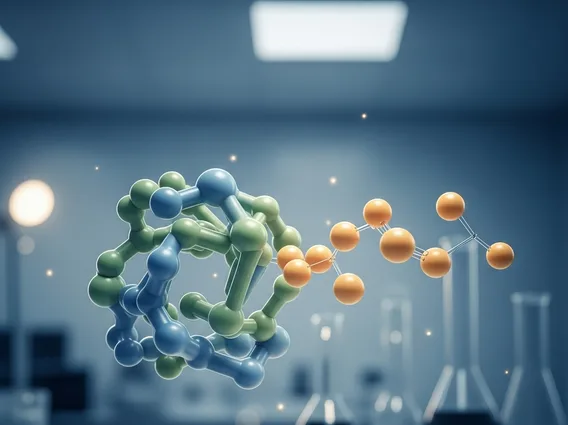
The mechanism by which enzymes work is often described by the “lock and key” or “induced fit” model. Each enzyme possesses a unique three-dimensional structure with a specific region called the active site. This active site is precisely shaped to bind to particular substrate molecules, much like a key fits into a specific lock. When the substrate binds to the active site, an enzyme-substrate complex is formed. This binding induces a conformational change in the enzyme (the “induced fit” model), optimizing the interaction and facilitating the chemical transformation of the substrate into products. Once the reaction is complete, the products are released, and the enzyme is free to catalyze another reaction with new substrate molecules. Factors such as temperature, pH, and the concentration of both enzyme and substrate can significantly influence enzyme activity.
Types of Enzymes and Their Biological Importance
Enzymes are classified into six main categories based on the type of reaction they catalyze, reflecting their diverse functions across biological systems. Understanding the types of enzymes and functions is crucial for comprehending their role in maintaining physiological balance.
- Oxidoreductases: Catalyze oxidation-reduction reactions, transferring electrons from one molecule to another. Examples include dehydrogenases.
- Transferases: Transfer a functional group (e.g., methyl, phosphate) from one molecule to another. Kinases, which transfer phosphate groups, are a common example.
- Hydrolases: Catalyze the hydrolysis of chemical bonds, breaking them by adding water. Digestive enzymes like amylase, lipase, and protease fall into this category.
- Lyases: Break chemical bonds without hydrolysis or oxidation, often forming new double bonds or rings.
- Isomerases: Catalyze the rearrangement of atoms within a molecule, converting one isomer to another.
- Ligases: Catalyze the formation of new bonds between two molecules, often coupled with ATP hydrolysis. DNA ligase is vital in DNA repair and replication.
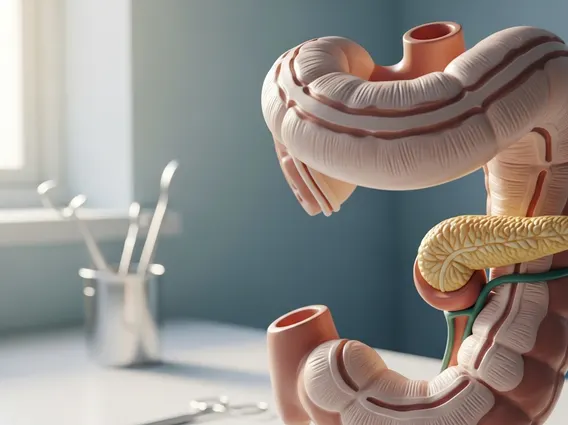
The importance of enzymes in biology cannot be overstated. They are indispensable for virtually every biological process, from the simplest cellular functions to complex systemic operations. For instance, digestive enzymes break down complex food molecules into smaller, absorbable units, while metabolic enzymes regulate energy production and storage within cells. Enzymes are also critical for DNA replication and repair, ensuring genetic integrity, as well as for muscle contraction, nerve impulse transmission, and immune defense mechanisms. Their precise and efficient action ensures that life’s intricate chemical reactions proceed smoothly and at the correct pace. Deficiencies or malfunctions in specific enzymes can lead to various medical conditions, such as phenylketonuria (PKU) or lactose intolerance, underscoring their profound impact on human health and disease. This makes enzymes not only fundamental to life but also crucial targets in medical diagnostics and therapeutic interventions.