
Synovial Membrane
The synovial membrane is a specialized tissue crucial for the healthy functioning of joints throughout the body. Understanding its structure and role is fundamental to comprehending joint mobility and common musculoskeletal conditions.
Key Takeaways
- The Synovial Membrane is a connective tissue lining the inner surface of joint capsules.
- Its primary role is to produce synovial fluid, which lubricates joints and nourishes cartilage.
- It consists of two layers: the intima (synoviocytes) and the subintima (loose connective tissue).
- Dysfunction of the synovial membrane can lead to various joint diseases, including arthritis.
What is the Synovial Membrane?
The Synovial Membrane is a specialized layer of connective tissue that forms the inner lining of the joint capsule in synovial joints, bursae, and tendon sheaths. Crucially, it does not cover the articular cartilage itself but rather extends up to its edges, forming a closed sac within the joint. The primary synovial membrane definition highlights its essential role in facilitating smooth, low-friction movement and maintaining the health of articular cartilage. This vital tissue is responsible for producing synovial fluid, a viscous substance that lubricates the joint and supplies nutrients to the avascular cartilage. Its strategic placement and unique properties are fundamental to the biomechanics of movement, allowing for the wide range of motion characteristic of joints like the knee, hip, and shoulder. Understanding the Synovial Membrane is key to comprehending both normal joint function and the pathology of many joint diseases.
Structure and Function of the Synovial Membrane
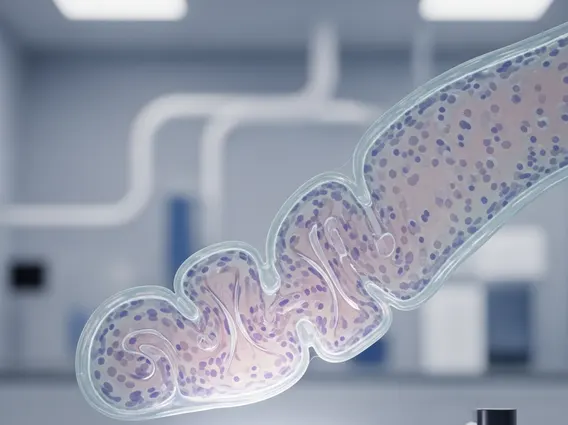
The synovial membrane structure is intricately designed to support its vital functions, comprising two primary layers: the intimal layer (synovial intima) and the subintimal layer (synovial subintima).
The synovial intima is the superficial lining, typically 1-4 cells thick, composed of specialized cells known as synoviocytes. These cells are crucial for the membrane’s secretory and phagocytic activities.
| Synoviocyte Type | Primary Role |
|---|---|
| Type A (Macrophage-like) | Phagocytosis, clearing debris and pathogens from the joint space. |
| Type B (Fibroblast-like) | Synthesis of hyaluronic acid and other components of synovial fluid. |
Beneath the intima lies the synovial subintima, a layer of loose connective tissue rich in blood vessels, lymphatic vessels, and nerves. This vascular network is essential for nourishing the intimal layer and facilitating the exchange of nutrients and waste products with the synovial fluid. The subintima also houses fibroblasts, mast cells, and adipose tissue, contributing to the membrane’s structural integrity, immune response, and metabolic support.
The primary synovial membrane function is the production and regulation of synovial fluid, a clear, viscous, non-Newtonian fluid that fills the joint cavity. This fluid performs several critical roles for joint health:
- Lubrication: Synovial fluid significantly reduces friction between the articular cartilages of opposing bones during movement, allowing for smooth, pain-free articulation. This low-friction environment is vital for preventing mechanical wear and tear on joint surfaces.
- Nutrient Delivery: Articular cartilage is avascular, meaning it lacks a direct blood supply. Synovial fluid acts as the primary medium for transporting essential nutrients, such as glucose and oxygen, to the chondrocytes (cartilage cells) and removing metabolic waste products.
- Shock Absorption: The viscoelastic properties of synovial fluid enable it to absorb and distribute mechanical loads across the joint surfaces, protecting the cartilage and underlying bone from excessive stress during impact or movement.
- Immune Surveillance: While primarily protective, the synovial fluid also contains immune cells and antibodies that help defend the joint against infection.
Dysfunction or inflammation of the synovial membrane, known as synovitis, can severely compromise these functions. Conditions like rheumatoid arthritis, for example, involve chronic inflammation of the synovial membrane, leading to its thickening and eventual destruction of cartilage and bone. The integrity of the Synovial Membrane is therefore paramount for maintaining long-term joint health and mobility. According to the World Health Organization (WHO), rheumatic and musculoskeletal diseases, many of which involve synovial pathology, are a major cause of chronic pain and disability globally, affecting hundreds of millions of people.



















