
Electroencephalogram
An electroencephalogram, commonly known as an EEG, is a non-invasive medical test that measures and records the electrical activity of the brain. This diagnostic tool plays a crucial role in understanding various neurological conditions by detecting abnormalities in brain wave patterns.
Key Takeaways
- An electroencephalogram (EEG) is a non-invasive test that records the electrical activity of the brain.
- It works by placing electrodes on the scalp to detect brain waves, which are then amplified and displayed.
- EEGs are primarily used to diagnose and monitor conditions such as epilepsy, sleep disorders, and brain injuries.
- The procedure is generally safe, painless, and provides valuable insights into brain function.
What is an Electroencephalogram (EEG)?
An electroencephalogram (EEG) is a diagnostic procedure that measures and records the electrical activity occurring in the brain. This activity is generated by the communication between brain cells, known as neurons, which produce tiny electrical impulses. An EEG captures these impulses through electrodes placed on the scalp, providing a graphical representation of the brain’s electrical patterns, often referred to as brain waves.
The primary purpose of an EEG is to detect abnormalities in brain activity that may indicate various neurological disorders. It is a non-invasive and painless test, making it a widely used tool in neurology. The resulting recording, an EEG test explanation, helps medical professionals assess brain function during different states, such as wakefulness, sleep, or in response to specific stimuli.
How Does an Electroencephalogram Work?
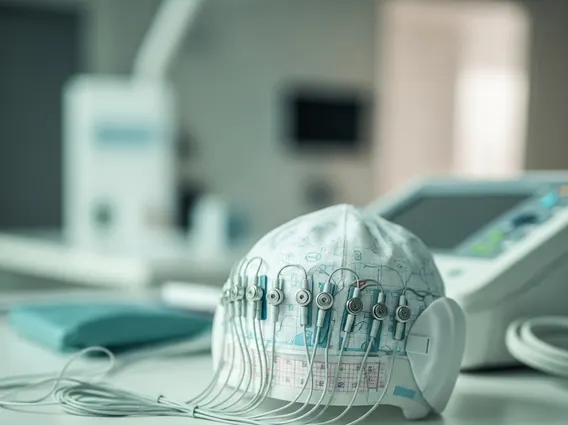
The process of an electroencephalogram involves placing small, metal discs called electrodes onto the scalp. These electrodes are connected by wires to an EEG machine, which amplifies the subtle electrical signals produced by the brain and records them onto a computer. The electrical signals are then displayed as wavy lines, representing different types of brain waves.
Brain waves vary in frequency and amplitude, and their patterns change depending on a person’s state of consciousness, such as being awake and alert, relaxed, or asleep. Neurologists analyze these patterns to identify any irregularities. For example, specific wave patterns can indicate seizure activity, sleep disturbances, or other neurological issues. The procedure typically takes between 20 to 40 minutes, but can be longer for specialized studies like sleep EEGs.
Different types of brain waves include:
- Delta waves: Slowest waves, associated with deep sleep.
- Theta waves: Occur during light sleep, drowsiness, or deep meditation.
- Alpha waves: Present when a person is awake but relaxed, often with eyes closed.
- Beta waves: Fastest waves, associated with active thinking, alertness, and problem-solving.
Uses and Purpose of an Electroencephalogram
The primary use of an electroencephalogram is to diagnose and monitor a wide range of neurological conditions. Its ability to record the brain’s electrical activity makes it an invaluable tool for identifying disorders that affect brain function. One of the most common applications of an EEG is in the diagnosis of epilepsy, a neurological disorder characterized by recurrent seizures. According to the World Health Organization (WHO), around 50 million people worldwide have epilepsy, making it one of the most common neurological diseases globally, and EEG is a cornerstone in its diagnosis.
Beyond epilepsy, an EEG serves several other critical purposes:
| Condition | How EEG Helps |
|---|---|
| Epilepsy and Seizure Disorders | Detects abnormal brain activity patterns characteristic of seizures, helping to classify seizure types and localize their origin. |
| Sleep Disorders | Monitors brain activity during sleep (polysomnography) to diagnose conditions like sleep apnea, insomnia, and narcolepsy. |
| Brain Tumors | Can identify abnormal brain waves in areas affected by tumors, though other imaging tests are often used for definitive diagnosis. |
| Encephalitis or Meningitis | Reveals generalized slowing or other abnormal patterns indicative of inflammation or infection of the brain. |
| Brain Injury | Assesses the extent of brain damage after head trauma, stroke, or other injuries, and monitors recovery. |
| Coma | Helps determine the level of brain activity in comatose patients and can assist in confirming brain death. |
In addition to diagnosis, EEGs are also used to monitor brain activity during surgery or in intensive care units to assess the patient’s neurological status. The information gathered from an EEG provides critical insights that guide treatment decisions and help healthcare providers manage neurological conditions effectively.



















