Biofeedback
Biofeedback is a mind-body technique that teaches individuals how to control involuntary bodily functions. By gaining awareness of these processes, people can learn to improve their health and well-being.
Key Takeaways
- Biofeedback is a non-invasive therapy that helps individuals gain conscious control over their body’s involuntary functions.
- It works by using electronic sensors to monitor physiological responses like heart rate, muscle tension, and skin temperature, providing real-time feedback.
- Through this feedback, patients learn techniques to modify these responses, promoting relaxation and reducing symptoms.
- Common techniques include electromyography (EMG), thermal biofeedback, and neurofeedback.
- The benefits include managing chronic pain, stress, anxiety, headaches, and improving overall physical and mental health.
What is Biofeedback?
What is Biofeedback is a therapeutic approach that empowers individuals to gain conscious control over typically involuntary bodily processes. This non-invasive method involves using electronic sensors to monitor physiological signals, such as heart rate, muscle tension, skin temperature, and brainwave activity. The real-time information, often displayed as visual or auditory cues, helps individuals recognize and understand their body’s responses to stress or other stimuli. Essentially, what is biofeedback therapy teaches self-regulation, allowing patients to learn how to modify these responses voluntarily, leading to improved health outcomes. For instance, by observing their heart rate on a monitor, a person can learn to slow it down through relaxation techniques.
How Biofeedback Therapy Works
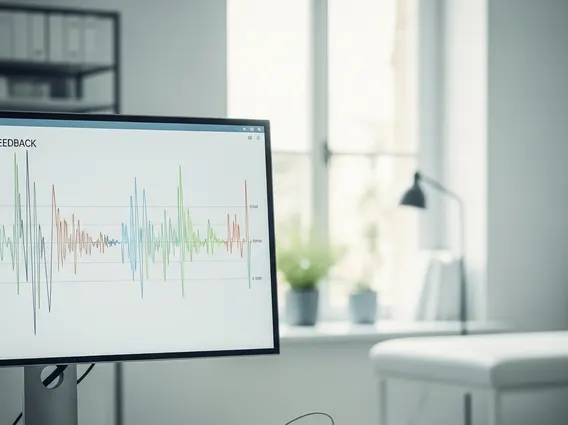
How does biofeedback work involves a learning process where a person is connected to sensors that measure specific physiological activities. These sensors transmit data to a monitor, which then provides immediate feedback in an understandable format, such as a changing light, a sound, or a graph. For example, if a person is trying to relax their muscles, a sensor might detect muscle tension, and the monitor would show a high reading. As the person practices relaxation techniques, they see the reading decrease, indicating successful muscle relaxation. This continuous feedback loop enables individuals to experiment with different thoughts, emotions, and behaviors to see their immediate impact on their body’s functions. Over time, with practice, patients can learn to control these responses without the aid of the equipment.
Common Biofeedback Techniques
Several specialized biofeedback techniques explained are used to target different physiological responses:
- Electromyography (EMG): Measures muscle tension, often used for headaches, back pain, and anxiety.
- Thermal Biofeedback: Measures skin temperature, primarily used for conditions related to blood flow, such as migraines and Raynaud’s disease.
- Neurofeedback (EEG Biofeedback): Measures brainwave activity, commonly applied for ADHD, anxiety, and epilepsy.
- Heart Rate Variability (HRV) Biofeedback: Measures the variation in time between heartbeats, used for stress management, anxiety, and cardiovascular health.
- Galvanic Skin Response (GSR) Biofeedback: Measures sweat gland activity and skin conductivity, indicating emotional arousal and stress levels.
Benefits of Biofeedback Treatment
The benefits of biofeedback treatment are wide-ranging, addressing both physical and psychological conditions. By learning to regulate their body’s responses, individuals can significantly improve their quality of life. For instance, biofeedback has shown efficacy in managing chronic pain conditions like tension headaches and migraines, with studies indicating that patients often experience a reduction in pain intensity and frequency. According to the American Psychological Association, biofeedback is an evidence-based treatment for various conditions, including chronic pain, anxiety, and hypertension. It helps reduce stress and anxiety by teaching relaxation and self-regulation, which can lead to lower blood pressure and improved sleep. Furthermore, it can aid in improving focus and attention, particularly in cases of ADHD, and assist in rehabilitation after injuries or strokes by helping patients regain muscle control. The empowerment gained through understanding and controlling one’s own body is a significant benefit, fostering a sense of self-efficacy and promoting long-term health management.
This information is for educational purposes only and does not constitute medical advice. Biofeedback is a complementary therapy and should not replace professional medical treatment or advice. Always consult with a qualified healthcare provider for any health concerns or before making any decisions related to your health or treatment.