Eye Cancer Signs & Symptoms
Recognizing the **signs of eye cancer** early is crucial for effective treatment and preserving vision. This article outlines the various **eye cancer symptoms** that individuals should be aware of, ranging from subtle visual changes to more noticeable physical alterations.
Key Takeaways
- **Early signs of eye cancer** can be subtle, often affecting only one eye, and may include changes in vision or the appearance of the eye itself.
- Visible indicators like new dark spots on the iris or conjunctiva, or irregularities in pupil shape, are important **eye cancer warning signs**.
- Vision disturbances such as blurry vision, flashes, floaters, or distorted vision, especially if persistent or worsening, warrant immediate medical evaluation.
- Less common but serious **ocular cancer symptoms** can include eye pain, pressure, a bulging eye, or a drooping eyelid.
- Prompt consultation with an ophthalmologist is essential for accurate diagnosis and to determine **how to detect eye cancer** effectively if any symptoms arise.
Key Eye Cancer Symptoms to Know
Understanding **what are eye cancer symptoms** is the first step toward early detection and successful intervention. While relatively rare, eye cancer can affect various parts of the eye, including the eyeball (intraocular cancer), the orbit (tissues surrounding the eyeball), or the eyelids. The specific **eye cancer symptoms** can vary depending on the type and location of the tumor, but many manifest as changes in vision or the physical appearance of the eye.
Many **early signs of eye cancer** are often subtle and can be easily overlooked or attributed to other, less serious conditions. However, paying close attention to persistent or worsening changes is vital. For instance, ocular melanoma is the most common primary intraocular malignancy in adults, with an incidence of approximately 5-6 cases per million adults in the United States annually, according to the American Academy of Ophthalmology. Recognizing these initial indicators can significantly impact prognosis.
Visible Signs and Eye Appearance Changes
Some of the most direct **eye cancer warning signs** involve noticeable changes to the eye’s physical appearance. These visible alterations can often be detected by the individual themselves, a family member, or during a routine eye examination. Prompt attention to these changes is critical for timely diagnosis.
Dark Spots or Growths on the Iris/Conjunctiva
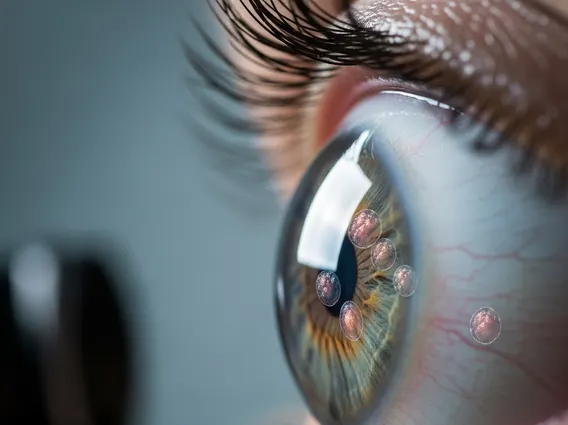
One of the significant **signs of eye cancer** can be the appearance of new dark spots or growths on the iris (the colored part of the eye) or the conjunctiva (the clear membrane covering the white part of the eye and inside of the eyelids). While many such spots are benign moles (nevi), a spot that changes in size, shape, or color, or one that has irregular borders, could indicate a cancerous growth, such as an ocular melanoma. Any new or evolving pigmented lesion in or on the eye should be evaluated by an ophthalmologist.
Pupil Shape, Size, or Color Irregularities
Irregularities in the pupil, the black center of the eye, can also be crucial **ocular cancer symptoms**. This might include a pupil that changes shape, becomes unusually dilated, or appears to have an abnormal color or reflex. A particularly concerning sign, especially in children, is leukocoria, often referred to as a “cat’s eye reflex” or a white glow in the pupil when light is shone into it (e.g., in flash photographs). This can be an **early sign of eye cancer** like retinoblastoma, the most common primary intraocular malignancy in childhood, affecting approximately 1 in 15,000 to 1 in 20,000 live births worldwide, as reported by the World Health Organization (WHO). Any deviation from a normal, round, and black pupil warrants immediate medical attention.
Vision Disturbances and Ocular Function
Changes in vision and how the eye functions are among the most common **symptoms of eye cancer**. These disturbances often affect one eye and can range from subtle alterations to significant vision loss. Understanding these changes is key to knowing **what are eye cancer symptoms** related to visual acuity.
Blurry Vision or Vision Loss in One Eye
Persistent blurry vision or a noticeable decrease in vision in one eye, without an obvious cause like a new prescription need, can be a critical **eye cancer warning sign**. Tumors growing inside the eye, particularly those affecting the retina or optic nerve, can interfere with the eye’s ability to focus light or transmit visual information to the brain. Unlike refractive errors, which usually affect both eyes or are corrected with glasses, cancer-related vision loss often progresses and is typically unilateral. This unilateral nature is an important differentiator when considering **how to detect eye cancer** through visual changes.
Flashes, Floaters, or Distorted Vision
Experiencing new or increased flashes of light, a sudden shower of floaters (small specks or cobwebs that drift across the field of vision), or distorted vision (where straight lines appear wavy or bent) can also be **ocular cancer symptoms**. These phenomena can occur if a tumor causes retinal detachment or vitreous hemorrhage (bleeding into the jelly-like substance that fills the eye). While flashes and floaters can also be benign or related to age-related changes, a sudden onset, significant increase, or accompanying vision loss should be considered a serious **sign of eye cancer** and requires urgent ophthalmological evaluation.
Less Common or Advanced Warning Signs
While the previously mentioned signs are often the first indicators, some **eye cancer symptoms** may appear as the disease progresses or if the tumor is located in a less visible area. These advanced **eye cancer warning signs** are typically more noticeable and often prompt individuals to seek medical attention.
Eye Pain or Pressure
Although eye cancer is often painless in its **early signs of eye cancer** stages, persistent eye pain or a feeling of pressure within or around the eye can develop as a tumor grows. This pain might result from the tumor pressing on surrounding structures, increasing intraocular pressure (glaucoma secondary to the tumor), or causing inflammation. If you experience unexplained, persistent eye pain or a feeling of fullness or pressure that doesn’t resolve, it’s important to consult an eye care professional. This symptom, while not always indicative of cancer, should be thoroughly investigated.
Bulging Eye or Eyelid Droop
A noticeable bulging of one eye (proptosis or exophthalmos) or a persistent drooping of the eyelid (ptosis) can be significant **ocular cancer symptoms**. A bulging eye may indicate a tumor growing behind the eyeball, pushing it forward. Eyelid drooping can occur if a tumor affects the nerves controlling the eyelid muscles or if a mass in the eyelid itself causes it to sag. These are often later-stage **eye cancer symptoms** that indicate a larger tumor burden or involvement of surrounding tissues. Any new or progressive change in the position of the eye or eyelid should be promptly evaluated to determine **how to detect eye cancer** or other underlying conditions.
When to Seek Medical Evaluation
Recognizing the various **eye cancer symptoms** is only the first step; knowing when to seek professional medical evaluation is equally critical. If you experience any of the **eye cancer warning signs** discussed, especially if they are new, persistent, worsening, or affect only one eye, it is imperative to consult an ophthalmologist promptly. Early detection significantly improves treatment outcomes for most types of eye cancer.
An ophthalmologist can perform a comprehensive eye examination, which may include dilating your pupils to get a clear view of the inside of your eye. They may also use specialized imaging tests such as ultrasound, optical coherence tomography (OCT), or magnetic resonance imaging (MRI) to further investigate any suspicious findings. In some cases, a biopsy may be necessary to confirm a diagnosis. Do not attempt to self-diagnose or delay seeking professional medical advice, as timely intervention is key to effective management and preservation of vision when dealing with **what are eye cancer symptoms**.
Frequently Asked Questions
What are the most common types of eye cancer?
The most common types of eye cancer vary between adults and children. In adults, ocular melanoma is the most prevalent primary intraocular cancer, originating in the pigment-producing cells. Other types include lymphoma, which can affect the eye, and metastatic cancers that spread to the eye from other parts of the body. For children, retinoblastoma is the most common primary eye cancer, developing in the retina. Early detection and specific treatment for each type are crucial for the best outcomes.
How is eye cancer diagnosed?
Diagnosing eye cancer typically involves a comprehensive eye examination by an ophthalmologist. This includes dilating the pupils to thoroughly inspect the retina and other internal structures. Specialized tests like ocular ultrasound can visualize tumors within the eye. Fluorescein angiography might be used to study blood flow, while optical coherence tomography (OCT) provides detailed cross-sectional images. If a tumor is suspected, magnetic resonance imaging (MRI) or computed tomography (CT) scans may assess its size and spread. A biopsy, though less common for intraocular tumors, can confirm the diagnosis.
Can eye cancer be prevented?
While there are no definitive ways to prevent most types of eye cancer, certain measures can reduce risk or aid in early detection. Protecting your eyes from excessive UV radiation by wearing sunglasses that block 99-100% of UVA and UVB rays may help reduce the risk of ocular melanoma. Regular comprehensive eye exams, especially if you have risk factors or notice any **eye cancer symptoms**, are the most effective way to detect potential issues early. For retinoblastoma, genetic counseling may be available for families with a history of the condition.