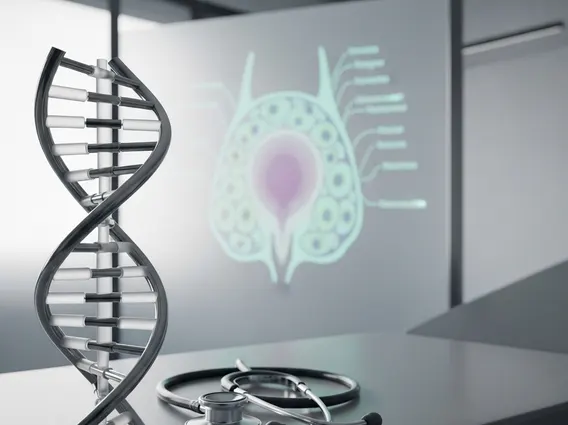
Celebrating World Cancer Research Day is a meaningful global opportunity to honor the scientists, clinicians, and advocates whose work is transforming how the world understands and fights cancer. Observed annually on September 24, this day unites communities, research institutions, and policymakers in a shared commitment to accelerating progress against one of humanity’s most complex diseases.
Key Takeaways
- World Cancer Research Day is observed every September 24 to raise awareness about the critical importance of cancer science.
- The day was established by the Union for International Cancer Control (UICC) and has grown into a globally recognized awareness event.
- Recent breakthroughs in immunotherapy, AI-assisted diagnostics, and liquid biopsy are reshaping cancer care in 2024 and beyond.
- Sustained cancer research funding is essential, as global cancer cases are projected to rise significantly by 2050.
- Individuals, organizations, and governments all have meaningful roles to play in supporting cancer research efforts.
What Is World Cancer Research Day and Its Global Significance
World Cancer Research Day is an internationally recognized observance held each year on September 24 to highlight the vital role that scientific research plays in preventing, detecting, and treating cancer. The day was initiated by the Union for International Cancer Control (UICC) and has since gained momentum across more than 100 countries, bringing together academic institutions, hospitals, nonprofits, and patient advocacy groups under one unified cause.
The significance of this observance is grounded in the scale of the global cancer burden. According to the World Health Organization (WHO), cancer is the leading or second-leading cause of death before the age of 70 in 112 countries. In 2022 alone, there were an estimated 20 million new cancer cases worldwide and approximately 9.7 million deaths. These figures underscore the urgency of sustained investment in cancer science and make global cancer research awareness events like this one more critical than ever.
The World Cancer Research Day history and significance trace back to the early 2000s, when UICC recognized that public awareness of cancer research milestones was lagging behind the actual pace of discovery. By designating a specific day, organizers created a recurring platform to spotlight breakthroughs, connect researchers globally, and educate the public about the direct link between scientific investment and improved patient outcomes. Over time, the day evolved from a small awareness initiative into a cornerstone of the international oncology calendar.
Celebrating World Cancer Research Day: Events, Activities, and Awareness
Each year, a wide range of World Cancer Research Day activities and events take place across the globe, designed to engage diverse audiences — from schoolchildren learning about cellular biology to policymakers reviewing national health budgets. Research institutions host open days, public lectures, and virtual symposiums where scientists present their latest findings in accessible language. These events bridge the gap between laboratory discovery and public understanding, making complex science feel relevant and personal.
Community-level participation also plays a vital role. Fundraising walks, awareness campaigns on social media, and educational workshops in hospitals and community centers help extend the day’s reach far beyond academia. Many cancer centers and nonprofits coordinate ribbon campaigns, documentary screenings, and patient storytelling events that put a human face on the data. Social media hashtags amplify these efforts, connecting individuals across borders who share a stake in cancer research outcomes.
Governments and intergovernmental bodies use the occasion to announce policy commitments, new funding allocations, or collaborative research agreements. The day also serves as a platform for patient advocacy organizations to present data on treatment gaps, disparities in research representation, and unmet clinical needs. When coordinated effectively, these global cancer research awareness events generate momentum that extends well beyond a single calendar date, influencing funding decisions and research priorities throughout the year.
Latest Cancer Research Breakthroughs Shaping 2024 and Beyond
The latest cancer research breakthroughs 2024 represent some of the most exciting advances in oncology in decades. Immunotherapy continues to lead the field, with checkpoint inhibitors now approved for a growing list of cancer types and combination strategies showing durable responses in previously untreatable cases. Chimeric antigen receptor T-cell (CAR-T) therapy, once limited to blood cancers, is being tested in solid tumors with increasingly promising preliminary results.
Artificial intelligence (AI) has emerged as a transformative tool in oncology diagnostics. Machine learning algorithms trained on millions of imaging scans can now detect early-stage lung, breast, and colorectal cancers with accuracy rivaling or exceeding that of experienced radiologists. These tools are particularly valuable in low-resource settings, where specialist access is limited, and early detection remains one of the most powerful determinants of survival.
| Research Area | Key Development (2024) | Potential Impact |
|---|---|---|
| Immunotherapy | CAR-T expansion into solid tumors | Broader patient eligibility for targeted therapy |
| AI Diagnostics | Multi-cancer early detection algorithms | Earlier diagnosis across resource settings |
| Liquid Biopsy | Circulating tumor DNA (ctDNA) testing refinement | Non-invasive monitoring and recurrence detection |
| mRNA Therapeutics | Personalized cancer vaccine trials | Tailored immune response to individual tumor profiles |
Liquid biopsy technology, which analyzes circulating tumor DNA (ctDNA) from a blood sample, is advancing rapidly as a non-invasive method for early cancer detection, treatment monitoring, and recurrence surveillance. Meanwhile, messenger RNA (mRNA) technology — proven at scale during the COVID-19 pandemic — is now being adapted for personalized cancer vaccines that train the immune system to recognize and attack tumor-specific antigens. These innovations collectively represent a paradigm shift from reactive to proactive cancer care.
Why Cancer Research Funding Matters and How You Can Contribute
The case for sustained why cancer research funding matters worldwide is both moral and statistical. The WHO projects that global cancer cases will rise to approximately 35 million annually by 2050 — a 77% increase from 2022 levels — driven by aging populations, lifestyle factors, and growing exposure to environmental carcinogens. Without proportional increases in research investment, health systems worldwide will be overwhelmed by a burden they are structurally unprepared to manage.
Funding translates directly into outcomes. Research investment accelerates drug development timelines, enables clinical trial expansion, and funds the basic science discoveries that eventually become treatments. According to the American Cancer Society, age-adjusted cancer mortality rates in the United States declined by 33% between 1991 and 2021 — a reduction attributed largely to advances in early detection and treatment made possible by sustained research funding over several decades. Every dollar invested in cancer science has a measurable downstream effect on lives saved.
Individuals seeking to contribute have multiple avenues available. Direct donations to reputable research foundations, participation in peer-to-peer fundraising campaigns, and engagement with clinical trial registries all represent meaningful forms of support. Advocacy is equally important: contacting elected representatives to support cancer research appropriations, signing petitions for equitable access to treatments, and sharing verified scientific information publicly all help build the political and social will necessary to sustain funding pipelines.
- Donate to established cancer research organizations such as the American Cancer Society, Cancer Research UK, or the International Cancer Research Partnership.
- Volunteer for or enroll in clinical trials if eligible, as trial participation directly accelerates research progress.
- Advocate for science-based health policy with local and national representatives.
- Participate in workplace giving programs or corporate matching campaigns dedicated to cancer research.
- Raise awareness through verified, fact-based social media content during World Cancer Research Day and throughout the year.
Institutional and corporate stakeholders also bear responsibility. Pharmaceutical companies, technology firms, and academic medical centers can forge public-private partnerships that pool resources, share data, and reduce duplication of effort. Equitable distribution of research benefits — ensuring that breakthroughs reach patients in low- and middle-income countries, not only in wealthy nations — must also be a funding priority if cancer research is to fulfill its full global potential.
Frequently Asked Questions
When is World Cancer Research Day observed each year?
World Cancer Research Day is observed annually on September 24. The date was established by the Union for International Cancer Control (UICC) to create a consistent, globally recognized moment for raising awareness about the importance of cancer science. The fixed date allows institutions, governments, and advocacy organizations worldwide to coordinate events, announcements, and campaigns simultaneously, maximizing collective impact across different regions and time zones.
Which organizations lead global cancer research awareness efforts?
Several major organizations lead global cancer research awareness, including the UICC, the World Health Organization (WHO), the American Cancer Society, Cancer Research UK, and the International Agency for Research on Cancer (IARC). These bodies coordinate international campaigns, fund scientific studies, and publish data that informs health policy. Regional cancer societies and hospital networks also play a crucial role in amplifying awareness at the community level throughout the year.
Can individuals without a medical background make a meaningful difference in cancer research?
Absolutely. Non-specialists contribute through financial donations, public advocacy, clinical trial participation, and awareness campaigns. Citizen science projects also allow volunteers to assist with data analysis tasks that support active research. Sharing accurate information, supporting science-friendly policy, and donating to credible organizations are all impactful actions. The scale and complexity of the global cancer challenge require engagement from society as a whole, not just from researchers and clinicians.