
3 Dimensional Conformal Radiation Therapy
3 Dimensional Conformal Radiation Therapy (3D-CRT) is an advanced radiation treatment technique used primarily in oncology. It precisely targets tumors while minimizing radiation exposure to surrounding healthy tissues, representing a significant advancement in cancer care.
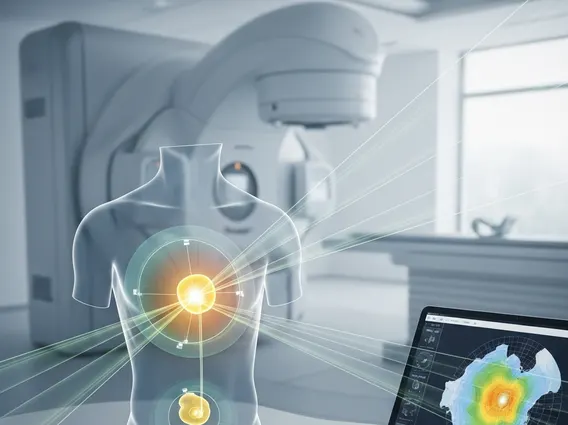
Key Takeaways
- 3 Dimensional Conformal Radiation Therapy (3D-CRT) uses advanced imaging and computer planning to deliver highly targeted radiation doses to tumors.
- This technique precisely shapes radiation beams to match the tumor’s three-dimensional form, enhancing treatment effectiveness.
- A primary benefit of 3D-CRT is the reduction of radiation exposure to healthy tissues, which helps lower the risk of side effects.
- Patients undergoing 3D-CRT may experience localized side effects depending on the treated area, which are typically managed with supportive care.
- The planning process involves detailed imaging, such as CT scans, to create a personalized treatment plan for each patient.
What is 3 Dimensional Conformal Radiation Therapy (3D-CRT)?
3 Dimensional Conformal Radiation Therapy (3D-CRT) is a type of external beam radiation therapy that utilizes sophisticated computer software and imaging technology to deliver radiation directly to a tumor. This technique allows radiation oncologists to create a precise, three-dimensional map of the tumor, along with surrounding healthy organs and tissues. By shaping the radiation beams to conform to the exact shape of the tumor, 3D-CRT ensures that the cancerous cells receive a high dose of radiation, while adjacent healthy tissues are spared as much as possible. This precision is crucial in treating various cancers, including those of the prostate, lung, brain, and head and neck, where tumors are often located near vital organs.
The development of 3D-CRT marked a significant improvement over conventional 2D radiation therapy, which delivered radiation in broader, less precise fields. According to the American Cancer Society, radiation therapy is a common treatment for many types of cancer, with techniques like 3D-CRT continuously evolving to improve patient outcomes and reduce treatment-related toxicities. The ability to visualize the tumor in three dimensions allows for a more individualized and effective treatment approach, tailoring the radiation dose and beam angles specifically to each patient’s unique anatomy and tumor characteristics.
How 3D-CRT Works and Its Benefits
The process of 3D-CRT begins with detailed imaging, typically a CT scan, to create a 3D model of the tumor and surrounding structures. This imaging data is then fed into specialized treatment planning software. Radiation oncologists and medical physicists use this software to design multiple radiation beams that converge on the tumor from different angles. These beams are shaped using multi-leaf collimators (MLCs), which are computer-controlled metallic leaves that can move independently to block or allow radiation, thus “conforming” the beam to the tumor’s exact shape. This meticulous planning ensures that the maximum radiation dose is delivered to the tumor, while minimizing exposure to healthy tissues and organs at risk.
The primary benefits of 3d conformal radiotherapy include enhanced tumor control and reduced treatment-related side effects. By precisely targeting the tumor, higher doses of radiation can be delivered to the cancerous cells, increasing the likelihood of eradicating the tumor. Simultaneously, the reduced exposure to healthy tissues significantly lowers the risk of acute and long-term complications. This precision is particularly beneficial for tumors located close to sensitive organs, such as the spinal cord, heart, or kidneys. Patients often experience a better quality of life during and after treatment compared to older radiation techniques, due to the decreased impact on healthy bodily functions.
Key advantages of 3D-CRT include:
- Improved Tumor Targeting: Radiation beams are precisely shaped to match the tumor’s unique 3D contour.
- Reduced Damage to Healthy Tissue: Minimizes radiation exposure to surrounding vital organs and structures.
- Higher Dose Delivery: Allows for the delivery of more potent radiation doses directly to the tumor.
- Personalized Treatment: Each plan is custom-designed based on the individual patient’s anatomy and tumor characteristics.
- Better Quality of Life: Lower incidence of severe side effects due to tissue sparing.
Potential Side Effects of 3D Conformal Radiation Therapy
While 3D-CRT is designed to minimize harm to healthy tissues, patients may still experience 3d conformal radiation therapy side effects. These side effects are generally localized to the treated area and vary depending on the part of the body being treated, the total radiation dose, and the individual patient’s health. Common acute side effects can include skin irritation (redness, dryness, peeling) in the treatment field, fatigue, and temporary hair loss in the radiated area. For example, radiation to the head and neck might cause a sore throat, difficulty swallowing, or changes in taste, while radiation to the abdomen might lead to nausea, vomiting, or diarrhea.
Most acute side effects are temporary and typically resolve within a few weeks or months after treatment completion. Long-term or chronic side effects are less common but can occur, depending on the treated area and individual susceptibility. These might include permanent skin changes, fibrosis (scarring) of tissues, or, in rare cases, damage to organs that were near the treatment field. Patients are closely monitored by their oncology team throughout the treatment course and follow-up period to manage any emerging side effects. Supportive care, including medications, dietary adjustments, and physical therapy, is often provided to help alleviate symptoms and improve patient comfort.



















