
T Cell
T Cells, also known as T lymphocytes, are a vital component of the immune system, playing a central role in adaptive immunity. These specialized white blood cells are crucial for recognizing and eliminating specific pathogens and abnormal cells within the body.
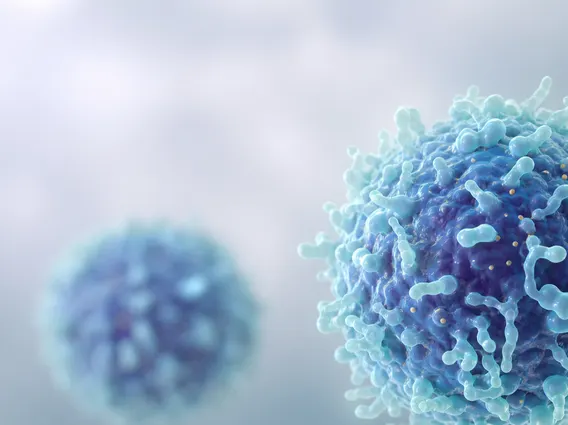
Key Takeaways
- T Cells are a type of white blood cell central to the body’s adaptive immune response.
- They mature in the thymus and are responsible for recognizing and targeting specific threats like viruses and cancer cells.
- Key types include Helper T Cells, Cytotoxic T Cells, Regulatory T Cells, and Memory T Cells, each with distinct functions.
- T Cell activation involves recognizing antigens presented by other immune cells, leading to a targeted immune response.
- Their proper function is essential for defending against infections, preventing autoimmune diseases, and fighting cancer.
What is a T Cell (T Lymphocyte)?
A T Cell refers to a type of lymphocyte, which is a white blood cell that plays a critical role in the body’s immune system. Specifically, T Cells are central to cell-mediated immunity, a component of the adaptive immune system that targets and eliminates specific threats. These cells originate from hematopoietic stem cells in the bone marrow and then travel to the thymus, where they mature and develop their unique ability to recognize specific antigens.
Once mature, T Cells circulate throughout the body, including the bloodstream, lymphatic system, and various tissues. Their primary function is to identify and destroy infected cells, cancer cells, and foreign invaders, while also coordinating the immune response. The ability of T Cells to distinguish between “self” and “non-self” is fundamental to preventing autoimmune diseases and ensuring effective protection against pathogens.
T Cell Types and Their Immune System Functions
The immune system relies on various types of T Cells and roles to mount a comprehensive and targeted defense. Each T Cell subset performs distinct functions, contributing to the overall efficacy of the adaptive immune response.
- Helper T Cells (CD4+ T Cells): These cells do not directly kill infected cells but instead activate other immune cells. They release signaling molecules called cytokines that stimulate B cells to produce antibodies, activate cytotoxic T Cells, and enhance macrophage function, thereby orchestrating the immune response.
- Cytotoxic T Cells (CD8+ T Cells): Often referred to as “killer T Cells,” these cells directly recognize and destroy cells infected with viruses or other intracellular pathogens, as well as cancer cells. They achieve this by inducing programmed cell death (apoptosis) in the target cells.
- Regulatory T Cells (Tregs): These cells are crucial for maintaining immune tolerance and preventing autoimmune diseases. They suppress the activity of other immune cells, thereby modulating the immune response and preventing excessive or inappropriate reactions against the body’s own tissues.
- Memory T Cells: After an initial infection, some Helper and Cytotoxic T Cells differentiate into memory T Cells. These long-lived cells persist in the body and can quickly recognize and respond to the same pathogen upon subsequent exposure, leading to a faster and more robust immune response.
T Cell function immune system is complex and highly coordinated, with these different types working in concert to protect the host. For instance, Helper T Cells are essential for activating Cytotoxic T Cells, ensuring that the killer cells are deployed effectively against threats.
T Cell Development and Activation
The journey of T Cell development and activation is a complex process that ensures these cells are both effective and safe. T Cells begin their life as precursor cells in the bone marrow, which then migrate to the thymus, a specialized organ located in the chest. Within the thymus, these cells undergo a rigorous maturation process, including positive and negative selection, to ensure they can recognize foreign antigens while remaining tolerant to self-antigens. Only T Cells that successfully pass these selection steps are allowed to exit the thymus and circulate in the bloodstream and lymphatic system as naive T Cells.
Upon encountering a specific antigen, typically presented by an antigen-presenting cell (APC) such as a dendritic cell or macrophage, naive T Cells become activated. This activation requires two main signals: the binding of the T Cell receptor (TCR) to the antigen-MHC complex on the APC, and a co-stimulatory signal. Once activated, T Cells undergo rapid proliferation, a process known as clonal expansion, creating a large army of identical effector cells. These effector T Cells then migrate to sites of infection or inflammation to carry out their specific functions. A subset of these activated T Cells also differentiates into long-lived memory T Cells, providing long-term immunity against future encounters with the same pathogen.



















