
Stomatitis
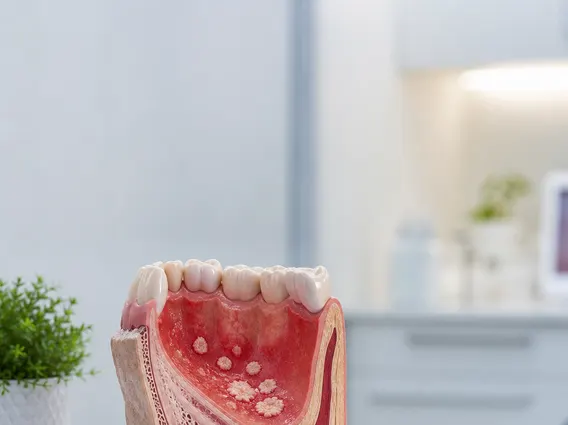
Stomatitis is a general term referring to inflammation of the mucous membranes of the mouth. This condition can manifest in various forms, causing discomfort and affecting daily activities like eating and speaking.
Key Takeaways
- Stomatitis is inflammation of the mouth’s lining, leading to discomfort.
- It can be caused by infections, injuries, allergies, or underlying systemic conditions.
- Symptoms often include redness, swelling, sores, and pain in the mouth.
- Various types exist, such as aphthous stomatitis and herpetic stomatitis.
- Management involves addressing the underlying cause and symptomatic relief.
What is Stomatitis?
Stomatitis refers to the inflammation of the mucous membranes inside the mouth. This condition can affect any part of the mouth, including the lips, cheeks, gums, tongue, and palate, leading to pain, swelling, and redness. It is not a single disease but rather a general term for various inflammatory conditions that can arise from different causes, making diagnosis and treatment dependent on identifying the specific etiology. The discomfort associated with stomatitis can range from mild irritation to severe pain, significantly impacting an individual’s quality of life by interfering with eating, speaking, and swallowing.
Causes, Symptoms, and Types of Stomatitis
The development of stomatitis can be attributed to a wide array of factors. Understanding stomatitis causes and symptoms is crucial for effective diagnosis and treatment. Causes can include infections (viral, bacterial, fungal), physical irritation (ill-fitting dentures, sharp teeth, braces), allergic reactions to foods or dental products, nutritional deficiencies (e.g., vitamin B or iron), certain medications, and underlying systemic diseases such as inflammatory bowel disease or autoimmune disorders. Additionally, habits like smoking and excessive alcohol consumption can contribute to oral inflammation.
Symptoms commonly associated with stomatitis include:
- Redness and swelling of the oral tissues.
- Pain or tenderness in the mouth, often exacerbated by eating or drinking.
- The presence of sores, ulcers, or blisters, which can be white, yellow, or red.
- Difficulty with chewing, swallowing, or speaking.
- Burning sensation in the mouth.
- Increased saliva production or dry mouth.
There are several types of stomatitis explained, each with distinct characteristics and causes.
- Aphthous Stomatitis (Canker Sores): Small, painful, round or oval ulcers with a red border and a white or yellow center, typically on inner lips, cheeks, or tongue. Linked to stress, minor injury, or nutritional factors.
- Herpetic Stomatitis: Caused by the herpes simplex virus (HSV-1), presenting as painful blisters that ulcerate. Common in children, often with fever and malaise.
- Angular Stomatitis (Cheilitis): Inflammation and cracking at mouth corners, often due to fungal infections (Candida) or nutritional deficiencies.
- Denture Stomatitis: Redness and inflammation under dentures, frequently associated with Candida albicans and poor hygiene.
- Allergic Stomatitis: Oral reaction to allergens (foods, dental materials), causing redness, swelling, or blistering.
According to the World Health Organization (WHO), oral diseases, including various forms of stomatitis, affect billions of people worldwide, with significant impact on quality of life, particularly in vulnerable populations.
Managing Stomatitis: Patient Information
Effective stomatitis information for patients emphasizes both treating the underlying cause and managing symptoms to alleviate discomfort. The approach to management depends heavily on the specific type and cause of stomatitis. For instance, bacterial infections may require antibiotics, fungal infections antifungals, and viral infections may be managed with antiviral medications or simply supportive care.
General strategies for managing symptoms and promoting healing include:
- Oral Hygiene: Gentle brushing and rinsing with mild mouthwashes or warm salt water.
- Dietary Modifications: Avoid acidic, spicy, or abrasive foods; opt for soft, bland options.
- Pain Relief: Over-the-counter pain relievers or topical anesthetic gels/rinses.
- Addressing Underlying Issues: Supplements for deficiencies, proper denture care, or allergen avoidance.
- Hydration: Drink plenty of water to keep the mouth moist.
It is important for individuals experiencing persistent or severe symptoms of stomatitis to consult a healthcare professional, such as a dentist or physician. They can accurately diagnose the condition and recommend the most appropriate course of treatment, ensuring that any underlying systemic issues are identified and addressed. Self-treatment without professional guidance can sometimes worsen the condition or delay proper diagnosis.



















