
Stomach
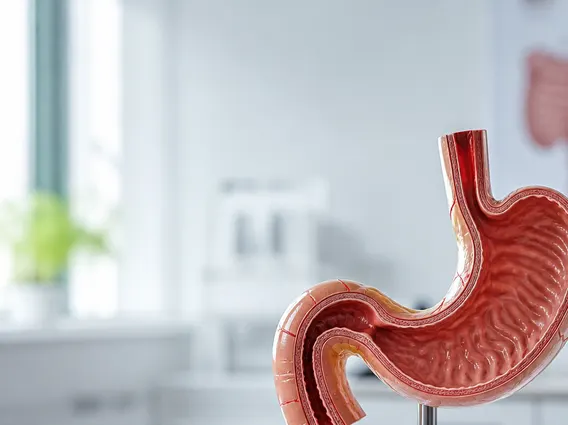
The Stomach is a vital organ in the human digestive system, playing a crucial role in breaking down food before it moves into the intestines. This muscular, J-shaped organ is responsible for both mechanical and chemical digestion, transforming ingested food into a semi-liquid substance called chyme.
Key Takeaways
- The Stomach is a muscular, J-shaped organ located between the esophagus and the small intestine, essential for digestion.
- Its primary functions include food storage, mechanical churning, and chemical breakdown through gastric juices.
- Digestion in the Stomach involves the secretion of hydrochloric acid and enzymes, which convert food into chyme.
- Common Stomach problems include GERD, peptic ulcers, and gastritis, often presenting with symptoms like pain, heartburn, and nausea.
What is the Stomach: Anatomy and Key Functions
The Stomach is a hollow, muscular organ situated in the upper left quadrant of the abdomen, inferior to the diaphragm. It serves as a temporary reservoir for food, allowing for the initial stages of digestion. The Stomach’s structure is divided into several regions: the cardia, fundus, body, and pylorus, each contributing to its overall function. The inner lining, or mucosa, contains gastric glands that produce gastric juice, a potent mix of hydrochloric acid and enzymes.
The primary functions of the Stomach are multifaceted. It stores ingested food, allowing for gradual release into the small intestine. Through vigorous muscular contractions, it mechanically churns food, mixing it with gastric secretions. Chemically, the Stomach initiates protein digestion via pepsin and its highly acidic environment helps to kill most bacteria ingested with food. This combined mechanical and chemical action is fundamental to human stomach anatomy and function, preparing nutrients for absorption further along the digestive tract.
Mechanism of Stomach Digestion
The process of digestion in the Stomach begins as food enters from the esophagus through the lower esophageal sphincter. Once inside, the Stomach’s muscular walls contract rhythmically, a process known as peristalsis, to physically break down food particles and mix them thoroughly with gastric secretions. These secretions are produced by specialized cells within the gastric glands.
Parietal cells secrete hydrochloric acid (HCl), which creates an extremely acidic environment (pH 1.5-3.5). This acidity is crucial for several reasons: it denatures proteins, making them easier for enzymes to break down, and it activates pepsinogen into pepsin, the primary enzyme for protein digestion. Chief cells produce pepsinogen, the inactive form of pepsin. The combination of mechanical churning and chemical breakdown transforms the food into a semi-liquid paste called chyme. This chyme is then gradually released into the duodenum, the first part of the small intestine, through the pyloric sphincter, ensuring efficient nutrient absorption downstream.
Common Stomach Problems and Symptoms
A variety of conditions can affect the Stomach, leading to discomfort and impaired digestion. Understanding common stomach problems and symptoms is crucial for timely diagnosis and management. These conditions range from mild, temporary issues to chronic diseases that require ongoing medical attention.
Some prevalent Stomach-related issues include:
- Gastroesophageal Reflux Disease (GERD): Characterized by frequent heartburn and regurgitation, occurring when stomach acid flows back into the esophagus. Approximately 20% of the U.S. population experiences GERD symptoms weekly, according to the National Institute of Diabetes and Digestive and Kidney Diseases (NIDDK).
- Peptic Ulcers: Open sores that develop on the lining of the Stomach (gastric ulcers) or the first part of the small intestine (duodenal ulcers). Symptoms often include burning abdominal pain, bloating, and nausea.
- Gastritis: Inflammation of the Stomach lining, which can be acute or chronic. It may cause upper abdominal pain, nausea, vomiting, and a feeling of fullness after eating.
- Indigestion (Dyspepsia): A general term for discomfort or pain in the upper abdomen, often accompanied by bloating, belching, and early satiety.
If you experience persistent or severe stomach symptoms, it is important to consult a healthcare professional for an accurate diagnosis and appropriate treatment plan. This information is for supportive purposes only and does not replace professional medical advice or treatment.



















