Stage I Ovarian Epithelial And Fallopian Tube Cancer
Stage I Ovarian Epithelial And Fallopian Tube Cancer refers to a localized form of cancer originating in the ovaries or fallopian tubes, characterized by its early detection and confinement to these reproductive organs. Understanding this stage is crucial for effective management and improved patient outcomes.
Key Takeaways
- Stage I cancer is confined to the ovaries or fallopian tubes, indicating early detection.
- Symptoms can be subtle and non-specific, making early diagnosis challenging but vital.
- Treatment typically involves surgery, often followed by chemotherapy, with a favorable prognosis.
- Regular gynecological check-ups and awareness of persistent symptoms are key for early intervention.
What is Stage I Ovarian Epithelial and Fallopian Tube Cancer?
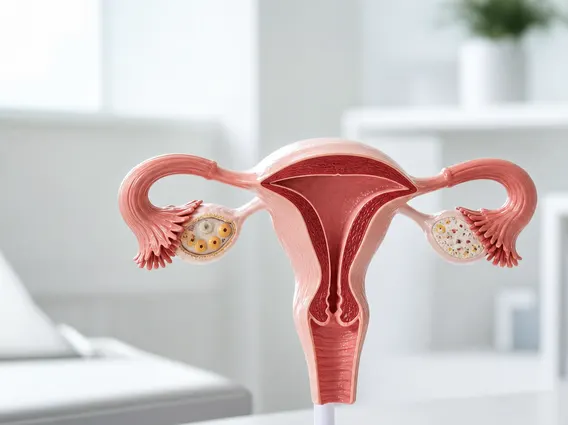
Stage I Ovarian Epithelial And Fallopian Tube Cancer is defined as cancer that is confined to the ovaries or fallopian tubes. This early stage is further subdivided based on the exact location and spread within these organs, but crucially, it has not spread beyond them to other parts of the pelvis or distant sites. This classification signifies that the cancer is highly localized, offering the best opportunities for successful treatment.
Specifically, Stage I ovarian epithelial cancer means the tumor is found only in one or both ovaries, or in the fallopian tubes. For instance, Stage IA indicates cancer in one ovary or fallopian tube, with the tumor confined to the inside of the organ and no cancer cells on the surface or in the fluid around it. Stage IB involves cancer in both ovaries or fallopian tubes, also confined internally without external spread. Stage IC includes cases where cancer is found in one or both ovaries or fallopian tubes, with additional factors such as tumor rupture during surgery, cancer cells on the surface of the ovary/fallopian tube, or malignant cells in the peritoneal fluid or washings. According to the American Cancer Society, when detected at this localized stage, the 5-year survival rate is significantly higher compared to later stages, underscoring the importance of early diagnosis.
Recognizing Stage I Ovarian and Fallopian Tube Cancer Symptoms
Recognizing the symptoms of early-stage ovarian and fallopian tube cancer can be challenging because they are often vague and can mimic those of less serious conditions. However, persistent and worsening symptoms should prompt medical evaluation. Common stage 1 ovarian epithelial cancer symptoms often include:
- Bloating or increased abdominal size
- Pelvic or abdominal pain
- Difficulty eating or feeling full quickly
- Frequent or urgent urination
- Changes in bowel habits, such as constipation
- Fatigue
- Indigestion or heartburn
- Pain during intercourse
These symptoms, especially when new, persistent (occurring almost daily for several weeks), and not easily explained by other conditions, warrant a visit to a healthcare provider. While there are no specific screening tests for ovarian or fallopian tube cancer in the general population, being aware of these subtle signs and discussing them with a doctor is crucial for potential early detection.
Treatment Options and Prognosis for Early Stage Ovarian and Fallopian Tube Cancer
The primary approach for fallopian tube cancer stage 1 treatment and ovarian cancer at this early stage typically involves surgery. The goal of surgery is to remove as much of the cancer as possible, a procedure known as debulking, and to accurately stage the disease. This usually includes a total hysterectomy (removal of the uterus), bilateral salpingo-oophorectomy (removal of both ovaries and fallopian tubes), and removal of nearby lymph nodes and omentum (a fatty tissue in the abdomen). For very early-stage cases in younger women who wish to preserve fertility, a unilateral salpingo-oophorectomy (removal of only the affected ovary and fallopian tube) might be considered, provided strict criteria are met.
Following surgery, many patients with Stage I disease, particularly those with Stage IC, may receive adjuvant chemotherapy. This is given to eliminate any remaining microscopic cancer cells and reduce the risk of recurrence. The specific chemotherapy regimen and duration depend on the exact stage and other pathological factors. The early stage ovarian cancer prognosis is generally favorable, especially when the cancer is confined to the ovaries or fallopian tubes. According to data from the National Cancer Institute, the 5-year relative survival rate for localized ovarian cancer is approximately 93%. This high survival rate underscores the critical importance of early diagnosis and prompt, comprehensive treatment.