Squamous Cell Skin Cancer
Squamous Cell Skin Cancer is a common form of skin cancer that arises from the squamous cells in the outer layer of the skin. Early detection and treatment are crucial for a favorable prognosis.
Key Takeaways
- Squamous Cell Skin Cancer is the second most common type of skin cancer, originating in the squamous cells.
- It often appears on sun-exposed areas and can present as red, scaly patches or open sores.
- Primary causes include chronic UV radiation exposure, fair skin, and a weakened immune system.
- Symptoms include persistent, non-healing lesions, elevated growths, or wart-like appearances.
- Treatment options range from surgical removal to radiation and topical therapies, depending on the cancer’s stage and characteristics.
What is Squamous Cell Skin Cancer?
Squamous Cell Skin Cancer is a type of cancer that begins in the squamous cells, which are flat cells found in the outer part of the epidermis. This form of skin cancer is the second most common, following basal cell carcinoma, and is primarily caused by prolonged exposure to ultraviolet (UV) radiation from the sun or tanning beds. While it can occur anywhere on the body, it most frequently develops on sun-exposed areas such as the face, ears, neck, lips, and back of the hands. If left untreated, it has the potential to grow larger and spread to other parts of the body, though this is less common with early detection. According to the American Academy of Dermatology, approximately 1 million cases of squamous cell carcinoma are diagnosed in the U.S. each year.
Causes and Symptoms of Squamous Cell Skin Cancer
The primary causes of squamous cell skin cancer are linked to cumulative exposure to ultraviolet (UV) radiation, whether from sunlight or artificial sources like tanning beds. This radiation damages the DNA in skin cells, leading to uncontrolled growth. Other significant risk factors include having fair skin, a history of sunburns, a weakened immune system (due to conditions like HIV/AIDS or immunosuppressant medications), certain genetic syndromes, and exposure to specific chemicals or radiation therapy. Older age and a history of actinic keratoses (precancerous skin lesions) also increase the risk.
Recognizing squamous cell carcinoma symptoms is vital for early diagnosis. These symptoms can vary but typically involve changes on the skin, especially in sun-exposed areas. Common signs include:
- A persistent, non-healing sore that may bleed, crust, or scab.
- A red, firm nodule that may be tender to the touch.
- A flat lesion with a scaly, crusted surface.
- A new sore or raised area on an old scar or chronic skin ulcer.
- A wart-like growth that may be rough and scaly.
These lesions often do not heal on their own and may gradually enlarge over time.
Squamous Cell Skin Cancer Treatment Options
A variety of squamous cell skin cancer treatment options are available, with the choice depending on the cancer’s size, location, aggressiveness, and the patient’s overall health. The primary goal is to remove the cancer completely while preserving as much healthy tissue as possible. Surgical methods are often the first line of treatment.
Common treatment approaches include:
- Excisional Surgery: The tumor and a margin of healthy tissue are cut out.
- Mohs Surgery: A specialized procedure where thin layers of cancer-containing skin are progressively removed and examined until only cancer-free tissue remains. This is particularly effective for cancers on the face or other cosmetically sensitive areas.
- Curettage and Electrodesiccation: The cancer cells are scraped away, and the base is burned with an electric needle.
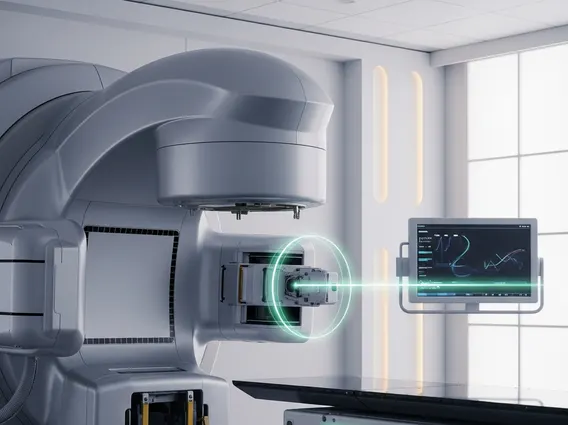
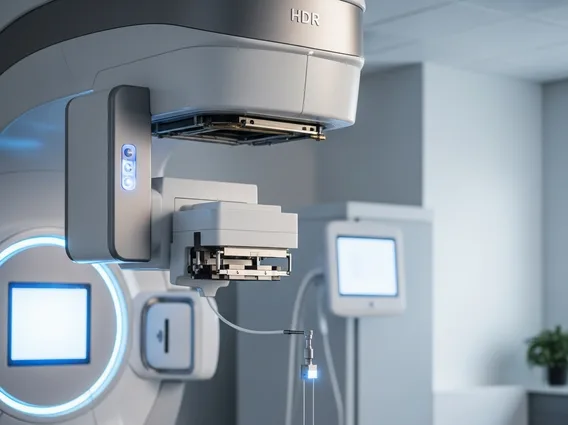
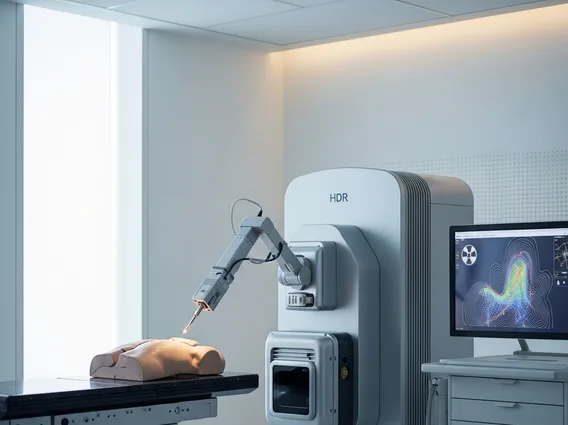
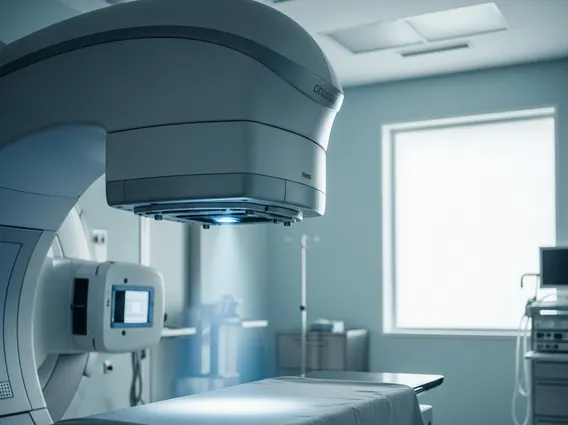
- Radiation Therapy: X-rays are used to kill cancer cells, often employed for larger tumors, those in hard-to-treat areas, or for patients who are not candidates for surgery.
- Topical Medications: Creams containing 5-fluorouracil or imiquimod can be used for very superficial squamous cell carcinomas.
- Photodynamic Therapy (PDT): A light-sensitizing drug is applied to the skin, followed by exposure to a special light that activates the drug to kill cancer cells.
- Systemic Therapy: For advanced or metastatic cases, chemotherapy, targeted therapy, or immunotherapy may be used.
Regular follow-up appointments are crucial after treatment to monitor for recurrence or the development of new skin cancers.