Squamous Cell Carcinoma Of The Head And Neck
Squamous Cell Carcinoma Of The Head And Neck (HNSCC) is a prevalent type of cancer originating in the moist lining of the mouth, nose, throat, and voice box. Understanding this condition is crucial for early detection and effective management.
Key Takeaways
- Squamous Cell Carcinoma Of The Head And Neck is a common cancer affecting the mucosal surfaces of the head and neck region.
- Risk factors primarily include tobacco and alcohol use, as well as Human Papillomavirus (HPV) infection.
- Symptoms can vary but often include persistent sores, difficulty swallowing, voice changes, or a lump in the neck.
- Early diagnosis significantly improves prognosis, making awareness of symptoms vital.
- Treatment options are multidisciplinary, encompassing surgery, radiation therapy, chemotherapy, and newer targeted therapies or immunotherapy.
What Is Squamous Cell Carcinoma Of The Head And Neck?
Squamous Cell Carcinoma Of The Head And Neck refers to a group of cancers that begin in the squamous cells, which are thin, flat cells forming the lining of various structures in the head and neck. These areas include the oral cavity (mouth), pharynx (throat), larynx (voice box), paranasal sinuses, and salivary glands. It is one of the most common types of head and neck cancer, accounting for over 90% of all malignancies in this region.
Globally, head and neck cancers, predominantly squamous cell carcinomas, are the sixth most common cancer, with an estimated 890,000 new cases and 450,000 deaths annually worldwide, according to the World Health Organization (WHO). The disease often presents significant challenges due to its location, which can impact vital functions such as speaking, swallowing, and breathing, as well as facial appearance.
Symptoms and Causes of Head and Neck Squamous Cell Carcinoma
Recognizing the symptoms of head and neck squamous cell carcinoma is critical for early diagnosis and improved outcomes. These symptoms can vary depending on the exact location of the tumor but often include persistent changes that do not resolve on their own. Common signs may include:
- A sore in the mouth or throat that does not heal.
- Difficulty or pain when swallowing (dysphagia).
- Changes in the voice, such as hoarseness, that lasts for more than two weeks.
- A lump or mass in the neck.
- Persistent ear pain, especially if it’s only on one side.
- Unexplained weight loss.
- Numbness or weakness in parts of the face or neck.
The primary causes of squamous cell carcinoma head and neck are strongly linked to certain lifestyle factors and viral infections. Tobacco use, including smoking cigarettes, cigars, pipes, and smokeless tobacco, is a major risk factor. Heavy alcohol consumption, especially when combined with tobacco use, significantly increases the risk. Another growing cause is infection with the Human Papillomavirus (HPV), particularly HPV-16, which is increasingly associated with oropharyngeal cancers (cancers of the back of the throat, including the tonsils and base of the tongue). Other contributing factors can include prolonged exposure to sunlight (for lip and skin cancers), certain occupational exposures, and poor oral hygiene.
Treatment Options for Squamous Cell Carcinoma of the Head and Neck
The treatment for head and neck squamous cell carcinoma is typically multidisciplinary, involving a team of specialists including surgeons, radiation oncologists, medical oncologists, and supportive care professionals. The choice of treatment depends on several factors, such as the tumor’s location, size, stage, the patient’s overall health, and personal preferences. Common treatment modalities include:
- Surgery: Often the primary treatment for early-stage cancers, involving the removal of the tumor and sometimes nearby lymph nodes. Advances in surgical techniques aim to preserve function and appearance.
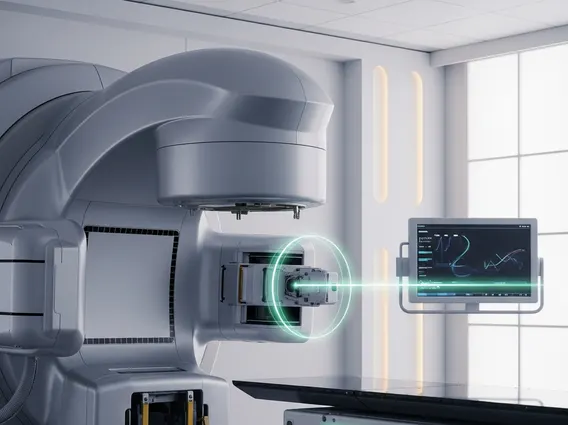
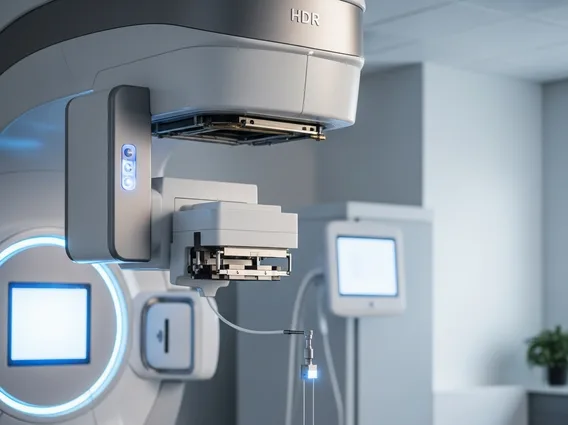
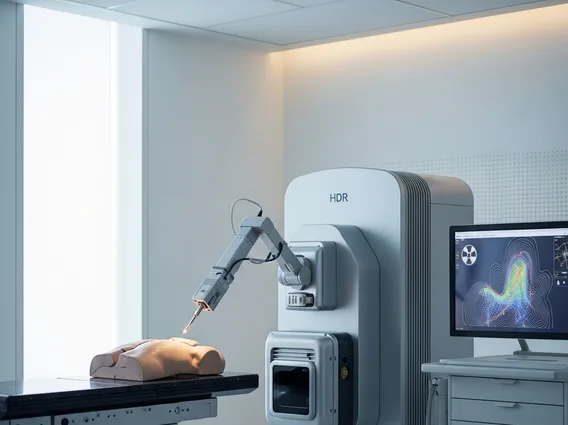
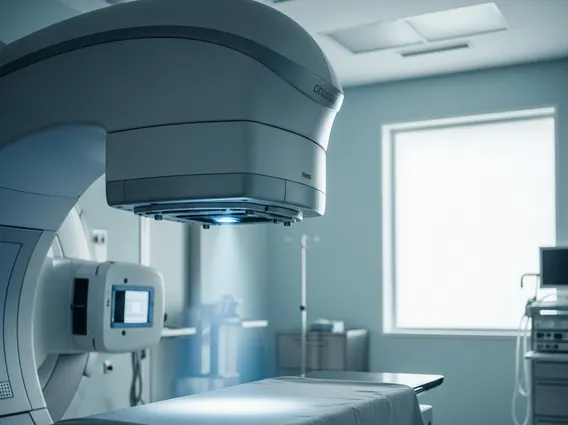
- Radiation Therapy: Uses high-energy rays to kill cancer cells. It can be used alone for smaller tumors, after surgery to eliminate remaining cancer cells, or in combination with chemotherapy for more advanced cases.
- Chemotherapy: Uses drugs to kill cancer cells throughout the body. It is frequently used in conjunction with radiation therapy (chemoradiation) or for advanced or recurrent disease.
- Targeted Therapy: These drugs specifically target molecular pathways involved in cancer growth and progression, often with fewer side effects than traditional chemotherapy.
- Immunotherapy: Utilizes the body’s own immune system to fight cancer cells. It has shown promise in treating recurrent or metastatic head and neck squamous cell carcinoma.
Patients undergoing treatment for HNSCC often require comprehensive supportive care, including nutritional support, speech and swallowing therapy, and psychological support, to manage side effects and improve quality of life.