
Spinal Tap
A Spinal Tap, medically known as a lumbar puncture, is a diagnostic and sometimes therapeutic procedure involving the collection of cerebrospinal fluid (CSF) from the spinal canal. This procedure is crucial for diagnosing various neurological conditions and infections affecting the brain and spinal cord.
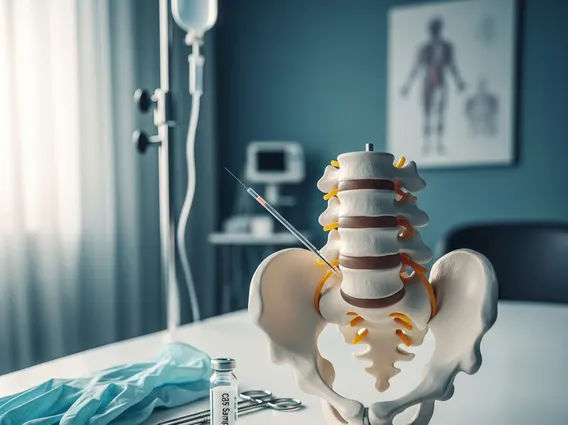
Key Takeaways
- A Spinal Tap is a medical procedure, also known as a lumbar puncture, used to collect cerebrospinal fluid (CSF).
- It is essential for diagnosing conditions like meningitis, multiple sclerosis, and certain cancers affecting the central nervous system.
- The procedure involves inserting a thin needle into the lower back to access the spinal canal.
- Common indications include investigating unexplained headaches, fever, seizures, or neurological symptoms.
- While generally safe, potential risks include post-dural puncture headache, bleeding, or infection.
What is a Spinal Tap (Lumbar Puncture)?
A Spinal Tap, or lumbar puncture, is a medical procedure performed to collect and analyze cerebrospinal fluid (CSF), the clear fluid that surrounds the brain and spinal cord. This diagnostic tool is invaluable for healthcare professionals in identifying a wide range of conditions affecting the central nervous system. The procedure typically involves inserting a thin needle into the subarachnoid space in the lower back, between two vertebrae, to withdraw a small sample of CSF for laboratory analysis. It can also be used to administer medications, such as chemotherapy drugs or anesthetics, directly into the CSF, or to relieve pressure in cases of hydrocephalus.
The primary purpose of a lumbar puncture is diagnostic. By examining the CSF, doctors can detect signs of infection, inflammation, bleeding, or cancerous cells. For instance, an elevated white blood cell count in the CSF can indicate meningitis, while specific protein patterns may suggest demyelinating diseases like multiple sclerosis. According to medical literature, while generally safe, post-dural puncture headache (PDPH) is the most common complication, affecting a notable percentage of patients, though serious complications like infection or significant bleeding are rare, occurring in less than 1% of cases.
Common reasons for performing a Spinal Tap include:
- Diagnosing Infections: Identifying bacterial, viral, or fungal meningitis, encephalitis, or syphilis.
- Detecting Inflammatory Diseases: Diagnosing autoimmune conditions such as multiple sclerosis (MS) or Guillain-Barré syndrome.
- Identifying Cancers: Detecting metastatic cancer cells that have spread to the central nervous system.
- Investigating Hemorrhage: Confirming subarachnoid hemorrhage when a CT scan is inconclusive.
- Measuring CSF Pressure: Assessing intracranial pressure, which can be elevated in various neurological disorders.
Preparation for a lumbar puncture often includes a review of the patient’s medical history, a physical examination, and sometimes imaging tests like a CT scan or MRI to rule out conditions that would make the procedure unsafe. During the procedure, the patient typically lies on their side with knees drawn towards the chest or sits leaning forward, positions designed to widen the spaces between the vertebrae and facilitate needle insertion. Local anesthetic is used to numb the area, minimizing discomfort.
Understanding the Fictional Band and Mockumentary Film
While the term Spinal Tap may be recognized in popular culture due to a fictional band and mockumentary film, it is crucial to emphasize that this article adheres strictly to the medical definition of a Spinal Tap, referring exclusively to the lumbar puncture procedure. Any cultural references to a fictional band, its history, movie plot, members, albums, or the meaning of a mockumentary are entirely outside the scope of this clinical and medical discussion.



















