
Scan
A Scan, in a medical context, refers to a diagnostic imaging procedure used to visualize internal structures of the body. These procedures are crucial tools in modern medicine, aiding healthcare professionals in understanding and managing various health conditions.
Key Takeaways
- Medical scans are non-invasive diagnostic tools that create images of the body’s internal structures.
- Their primary purpose is to detect, diagnose, monitor, and guide the treatment of diseases and injuries.
- Scanning technologies utilize various forms of energy, such as X-rays, magnetic fields, sound waves, or radioisotopes, to generate detailed images.
- Common types of medical scans include X-rays, CT scans, MRI scans, ultrasound, and PET scans, each suited for different diagnostic needs.
- These imaging techniques significantly contribute to early disease detection and personalized patient care.
What is a Medical Scan and Its Purpose?
A medical scan is a sophisticated imaging technique that allows doctors to look inside the human body without invasive surgery. These procedures generate detailed images of organs, bones, soft tissues, and blood vessels, providing critical information about a patient’s health.
The primary purpose of a medical scan is multifaceted. It helps in the accurate diagnosis of diseases, injuries, and other medical conditions. Scans are also vital for monitoring disease progression, assessing the effectiveness of treatments, and guiding medical procedures like biopsies or surgeries. For instance, early detection through screening scans can significantly improve outcomes for conditions such as cancer. According to the World Health Organization (WHO), diagnostic imaging plays a pivotal role in over 80% of clinical diagnoses, highlighting its indispensable nature in healthcare.
How Medical Scanning Technology Works
Medical scanning technology operates on the principle of using different forms of energy to interact with the body’s tissues and then capturing the resulting signals to create an image. Each type of scan employs a unique method to visualize internal structures.
For example, X-rays use electromagnetic radiation that passes through the body, with denser tissues (like bone) absorbing more radiation than softer tissues, creating a shadow image. Magnetic Resonance Imaging (MRI) utilizes strong magnetic fields and radio waves to generate detailed images of soft tissues. Ultrasound technology employs high-frequency sound waves that bounce off internal structures, creating real-time images. Positron Emission Tomography (PET) scans involve injecting a small amount of radioactive tracer into the body, which accumulates in areas of high metabolic activity, revealing disease at a cellular level. The data collected by these technologies is then processed by computers to construct comprehensive images that healthcare providers can interpret.
Different Types of Medical Scans Explained
There are numerous types of medical scans, each designed for specific diagnostic purposes, offering unique insights into the body’s condition. The choice of scan depends on the suspected condition, the body part being examined, and the type of information required.
Here are some of the most common types of medical scans:
- X-ray: Often the first imaging test used, X-rays are excellent for visualizing bones, detecting fractures, and identifying certain lung conditions like pneumonia.
- Computed Tomography (CT) Scan: A CT scan combines a series of X-ray images taken from different angles to create cross-sectional images (slices) of bones, blood vessels, and soft tissues. It’s highly effective for examining internal injuries, cancers, and cardiovascular diseases.
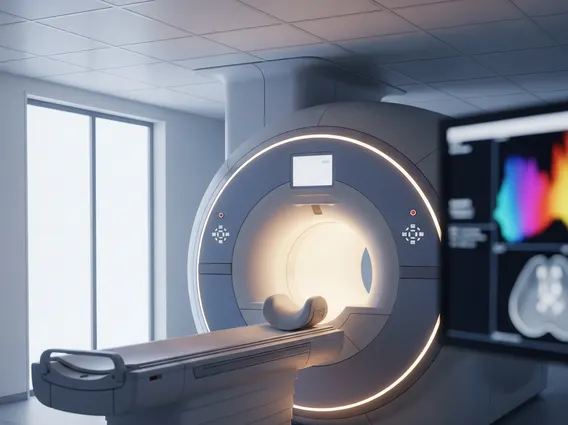
- Magnetic Resonance Imaging (MRI): MRI uses powerful magnets and radio waves to produce detailed images of soft tissues, such as the brain, spinal cord, muscles, ligaments, and internal organs. It is particularly useful for diagnosing neurological conditions, joint injuries, and certain types of cancer.
- Ultrasound: Utilizing sound waves, ultrasound creates real-time images of soft tissues and organs. It’s commonly used during pregnancy, to examine abdominal organs, and to assess blood flow.
- Positron Emission Tomography (PET) Scan: Often combined with a CT scan (PET-CT), a PET scan uses a radioactive tracer to detect metabolic activity in cells, making it invaluable for identifying cancers, assessing heart function, and evaluating brain disorders.
Each of these technologies provides distinct advantages, allowing medical professionals to accurately diagnose and manage a wide range of health issues, ultimately leading to better patient care and outcomes.



















