
Rectal Cancer
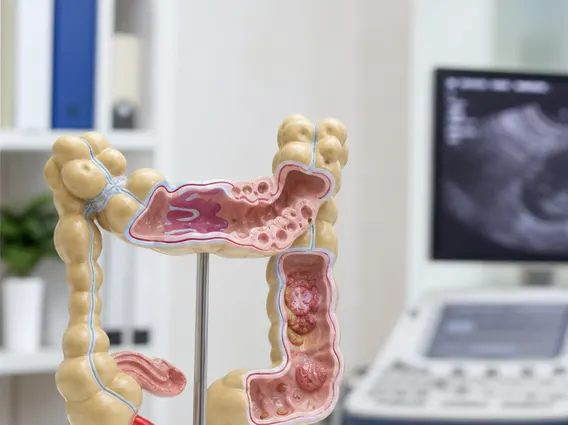
Rectal cancer is a type of cancer that begins in the rectum, the final section of the large intestine. This condition involves the uncontrolled growth of abnormal cells, forming a malignant tumor that can spread to other parts of the body if not treated.
Key Takeaways
- Rectal Cancer originates in the rectum, the last part of the large intestine, characterized by abnormal cell growth.
- Common symptoms include changes in bowel habits, rectal bleeding, and abdominal discomfort.
- Risk factors encompass age, family history, inflammatory bowel disease, and certain lifestyle choices.
- Diagnosis typically involves colonoscopy and biopsy, followed by imaging to determine the cancer’s stage.
- Treatment strategies often combine surgery, chemotherapy, and radiation therapy, tailored to the individual’s condition.
Understanding What is Rectal Cancer
Rectal Cancer refers to a malignant tumor that develops in the rectum, which is the last 15 centimeters (about 6 inches) of the large intestine, connecting the colon to the anus. It is a form of colorectal cancer, distinct from colon cancer primarily by its location and often by its treatment approach due to the rectum’s confined space within the pelvis. The majority of rectal cancers are adenocarcinomas, meaning they originate in the cells that produce mucus to lubricate the inside of the rectum.
Globally, colorectal cancer, which includes rectal cancer, is a significant public health concern. According to the World Health Organization (WHO), it is one of the most common cancers worldwide, with millions of new cases diagnosed each year. Early detection and advances in treatment have significantly improved outcomes for individuals diagnosed with rectal cancer, underscoring the importance of awareness and screening.
Identifying Rectal Cancer: Symptoms and Risk Factors
Recognizing the signs and understanding the risk factors associated with rectal cancer is crucial for early detection. Symptoms often develop gradually and can be subtle in the early stages, making regular screening important. As the cancer progresses, symptoms may become more noticeable.
Common symptoms of rectal cancer include:
- Changes in bowel habits, such as diarrhea, constipation, or a change in the consistency of stool, lasting for more than a few days.
- Rectal bleeding or blood in the stool, which may appear bright red, dark red, or black.
- Persistent abdominal discomfort, including cramps, gas, or pain.
- A feeling that the bowel doesn’t empty completely.
- Weakness or fatigue, often due to iron-deficiency anemia caused by blood loss.
- Unexplained weight loss.
Several factors can increase an individual’s risk of developing rectal cancer. These include increasing age, a personal or family history of colorectal cancer or polyps, and certain inherited syndromes like familial adenomatous polyposis (FAP) or Lynch syndrome. Lifestyle risk factors encompass a diet low in fiber and high in red and processed meats, obesity, physical inactivity, heavy alcohol use, and smoking. Chronic inflammatory bowel diseases, such as ulcerative colitis or Crohn’s disease, also elevate the risk.
Rectal Cancer Management: Diagnosis and Treatment
Effective management of rectal cancer relies on accurate diagnosis and a comprehensive treatment plan tailored to the individual’s specific condition. The diagnostic process typically begins with a thorough medical history and physical examination, followed by specialized tests.
Diagnosis of rectal cancer usually involves a colonoscopy, which allows a gastroenterologist to visualize the entire colon and rectum and take biopsies of any suspicious areas. These tissue samples are then examined under a microscope to confirm the presence of cancer. Once cancer is confirmed, further imaging tests, such as CT scans, MRI scans, and PET scans, are performed to determine the stage of the cancer, including its size, whether it has spread to nearby lymph nodes, and if it has metastasized to distant organs.
Treatment for rectal cancer often involves a multidisciplinary approach, combining several modalities. Surgery is a primary treatment, aiming to remove the tumor and a margin of healthy tissue, along with nearby lymph nodes. Depending on the stage and location of the tumor, surgery may be preceded by or followed by chemotherapy, radiation therapy, or both. Chemotherapy uses drugs to kill cancer cells, while radiation therapy uses high-energy rays to destroy cancer cells and shrink tumors. In some cases, targeted therapy or immunotherapy may also be used, especially for advanced or recurrent cancers. The specific treatment plan is determined by the cancer’s stage, the patient’s overall health, and other individual factors, always with the goal of achieving the best possible outcome.
This informational guide rectal cancer aims to provide a foundational understanding of the condition, its identification, and its management, emphasizing the importance of medical consultation for diagnosis and treatment.



















