
Radioactive Seed
Radioactive Seed refers to a highly specialized form of internal radiation therapy used in oncology to treat various cancers. This treatment involves placing small, radioactive sources directly into or near a tumor, delivering a precise and continuous dose of radiation.
Key Takeaways
- Radioactive seeds are tiny, encapsulated radioactive sources used in brachytherapy to target cancer cells directly.
- They are primarily employed for localized cancers, such as prostate, breast, and certain lung tumors, to deliver high-dose radiation while minimizing exposure to healthy tissue.
- The implantation process involves careful planning and precise placement of the seeds using imaging guidance.
- Radioactive seed treatment side effects are typically localized and manageable, including temporary pain, swelling, or urinary symptoms, depending on the treatment site.
- This therapy offers a continuous, low-dose radiation delivery over several weeks or months, aiming for effective tumor control.
What is a Radioactive Seed and How is it Used?
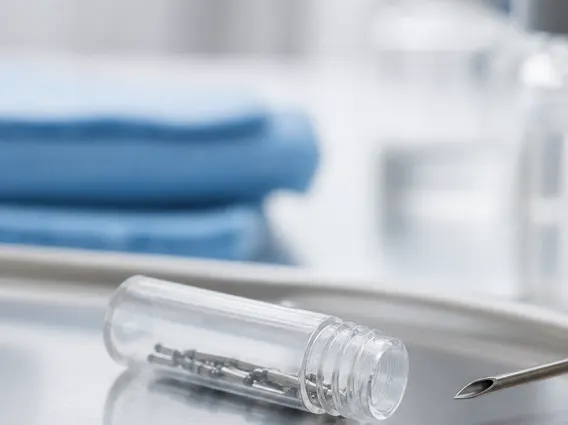
A Radioactive Seed is a small, encapsulated radioactive source, typically the size of a grain of rice, used in a form of radiation therapy called brachytherapy. These seeds contain radioisotopes like iodine-125 or palladium-103, which emit low-energy radiation over a specific period. The primary purpose of these seeds is to deliver a high dose of radiation directly to a tumor while sparing surrounding healthy tissues from significant exposure.
What are radioactive seeds used for? They are primarily employed in the treatment of localized cancers where the tumor is well-defined and has not spread extensively. Common applications include prostate cancer, certain types of breast cancer, and some lung or head and neck cancers. By placing the seeds directly within or adjacent to the cancerous tissue, the radiation can continuously attack cancer cells, leading to their destruction and preventing further growth. This targeted approach is a key advantage of radioactive seed therapy, offering a precise and effective treatment option for suitable patients.
The Process of Radioactive Seed Implantation
Understanding radioactive seed implantation involves a carefully planned and executed medical procedure. Before the actual implantation, a multidisciplinary team, including radiation oncologists, urologists (for prostate cancer), and medical physicists, conducts detailed imaging studies such as ultrasound, CT scans, or MRI. These images are used to precisely map the tumor’s location, size, and relationship to surrounding organs. Based on this information, a customized treatment plan is developed, determining the exact number, strength, and placement of each radioactive seed to ensure optimal radiation distribution.
How does radioactive seed therapy work? During the procedure, which is typically performed under local or general anesthesia, the physician uses thin needles to insert the radioactive seeds into the target area. Imaging guidance, such as ultrasound or fluoroscopy, is continuously used to ensure the precise placement of each seed according to the pre-planned dosimetry. Once implanted, the seeds remain permanently in place, continuously emitting low-dose radiation over several weeks or months. This constant, localized radiation gradually damages the DNA of cancer cells, inhibiting their ability to grow and divide, eventually leading to tumor shrinkage or eradication. The radiation dose diminishes over time, and the seeds become inert, posing no long-term risk.
The implantation process typically involves these key steps:
- Pre-planning: Detailed imaging (ultrasound, CT, MRI) to map the tumor and surrounding anatomy.
- Dosimetry: Calculation of seed number, strength, and precise placement for optimal radiation delivery.
- Implantation: Insertion of seeds using fine needles under real-time imaging guidance (e.g., ultrasound).
- Post-procedure verification: Imaging to confirm accurate seed placement and radiation distribution.
Potential Side Effects of Radioactive Seed Treatment
Like any medical intervention, Radioactive seed treatment side effects can occur, though they are generally localized and manageable. The nature and severity of side effects often depend on the location of the implanted seeds and the specific organs involved. For prostate cancer treatment, common side effects may include urinary symptoms such as increased frequency, urgency, or a burning sensation during urination, as well as temporary rectal irritation or discomfort. Some patients may also experience mild pain, swelling, or bruising in the implantation area.
These side effects are typically temporary and tend to resolve within a few weeks to months as the body heals and adjusts to the radiation. Less common side effects can include fatigue or, rarely, more significant urinary or bowel complications. Patients are closely monitored by their healthcare team to manage any side effects effectively. It is crucial for individuals undergoing this therapy to communicate any new or worsening symptoms to their doctors, as supportive care and medications can often alleviate discomfort. According to the American Cancer Society, many patients tolerate brachytherapy well, with a good quality of life post-treatment.



















