Puva Therapy
PUVA Therapy is a specialized medical treatment used primarily for various skin conditions. It combines a photosensitizing drug called psoralen with exposure to ultraviolet A (UVA) light to achieve therapeutic effects.

Key Takeaways
- PUVA Therapy involves taking psoralen, a light-sensitizing medication, followed by exposure to UVA light.
- It is an effective treatment for chronic skin conditions such as psoriasis, vitiligo, and severe eczema.
- The therapy works by psoralen binding to DNA and UVA light activating it, which helps to slow down rapid skin cell growth and reduce inflammation.
- Benefits include significant improvement in skin lesions and long-lasting remissions for many patients.
- Potential side effects range from short-term issues like nausea and photosensitivity to long-term risks such as accelerated skin aging and increased skin cancer risk.
What is PUVA Therapy?
PUVA Therapy refers to a photochemotherapy treatment that utilizes the combination of a photosensitizing agent, psoralen, and long-wave ultraviolet A (UVA) radiation. This therapeutic approach is widely employed in dermatology to manage several chronic skin disorders that are resistant to conventional treatments. Conditions commonly treated with PUVA include severe psoriasis, vitiligo, cutaneous T-cell lymphoma, and certain forms of eczema.
The treatment aims to reduce the rapid proliferation of skin cells and suppress inflammation, which are hallmarks of many dermatological diseases. Psoralen can be administered orally or applied topically to the skin, depending on the specific condition and treatment protocol. Following psoralen administration, the patient is exposed to controlled doses of UVA light, typically in a specialized light booth.
Mechanism of PUVA Therapy
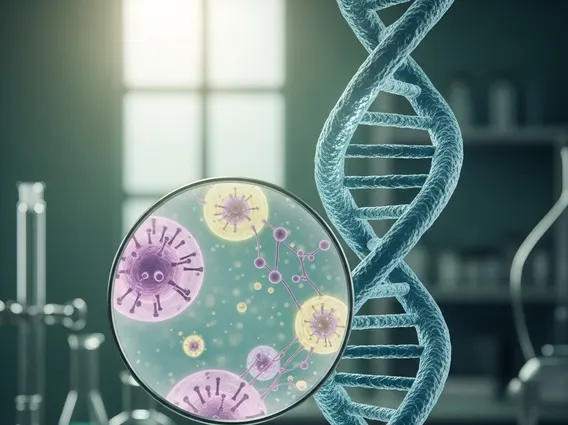
The effectiveness of how PUVA Therapy works lies in the synergistic action of psoralen and UVA light. Psoralen, a naturally occurring compound found in certain plants, acts as a photosensitizer. When absorbed into the skin cells or circulating in the bloodstream, it intercalates into the DNA of cells, particularly those that are rapidly dividing, such as the hyperactive keratinocytes in psoriasis.
Upon subsequent exposure to UVA radiation, which has a wavelength range of 320-400 nanometers, the psoralen molecules become activated. This activation leads to the formation of covalent bonds between psoralen and the DNA bases (thymine and cytosine), forming monoadducts and interstrand cross-links. These DNA modifications inhibit DNA synthesis and cell division, thereby slowing down the excessive growth of skin cells characteristic of conditions like psoriasis. Additionally, PUVA therapy has immunomodulatory effects, suppressing certain immune cells involved in inflammatory skin responses.
Benefits and Potential Side Effects of PUVA Therapy
The benefits of PUVA treatment are significant for patients with widespread or recalcitrant skin conditions. For instance, PUVA has demonstrated high efficacy in clearing psoriatic lesions, with studies reporting clearance rates of 70-80% for moderate to severe plaque psoriasis after a typical course of treatment. It can induce long-lasting remissions, improving the quality of life for many individuals. For vitiligo, PUVA can stimulate repigmentation in affected areas, particularly on the face and neck, with success rates varying but often showing noticeable improvement. (Source: American Academy of Dermatology).
However, like all potent medical therapies, PUVA Therapy side effects must be carefully considered. Short-term side effects are generally manageable and may include:
- Nausea (especially with oral psoralen)
- Itching or burning sensation
- Redness (erythema)
- Increased photosensitivity, requiring strict sun protection after treatment
- Dizziness or headache
Long-term risks are more concerning and necessitate careful patient selection and monitoring. These include accelerated skin aging (photoaging), characterized by wrinkles and freckles, and an increased risk of developing skin cancers, particularly squamous cell carcinoma and, to a lesser extent, melanoma. The risk of skin cancer is cumulative and dose-dependent, meaning it increases with the total number of treatments and cumulative UVA dose received over a patient’s lifetime. Regular dermatological surveillance is crucial for patients undergoing or having previously undergone PUVA Therapy to detect any suspicious skin changes early.