Purine
Purine refers to a fundamental class of nitrogen-containing organic compounds crucial for various biological processes within the human body. Understanding its role is essential for comprehending cellular function and metabolic health.
Key Takeaways
- Purine is a vital organic compound found in DNA, RNA, and energy molecules.
- It plays a critical role in genetic information, energy transfer, and cell signaling.
- The body synthesizes purines and breaks them down into uric acid.
- Dietary purines are found in many foods, with some being particularly high in these compounds.
- Imbalances in purine metabolism can lead to health conditions such as gout.
What is Purine?
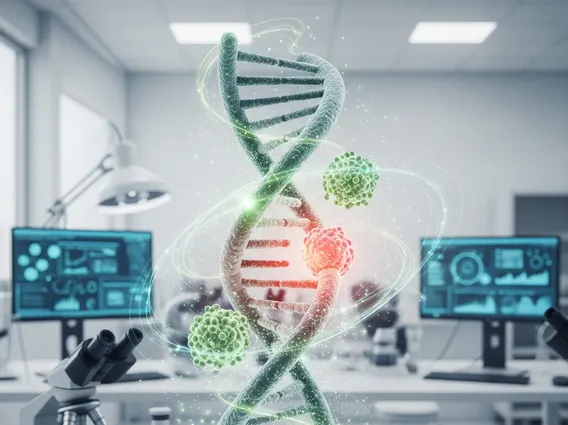
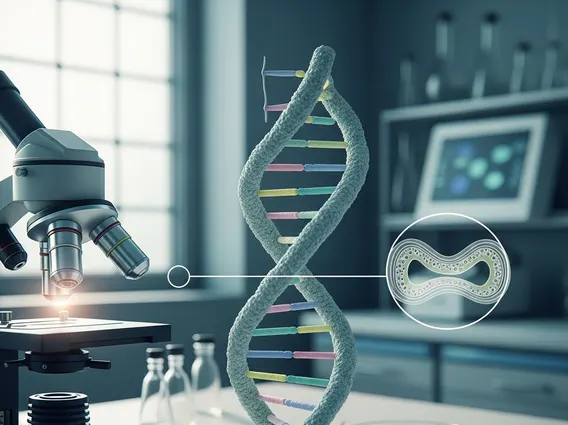
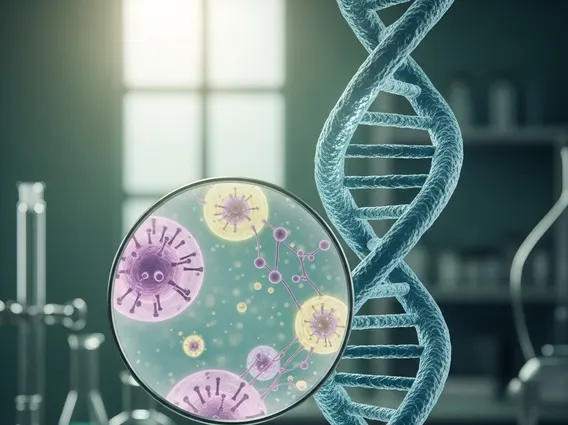
Purine is a heterocyclic aromatic organic compound that is a fundamental building block of life. It consists of a pyrimidine ring fused to an imidazole ring. These compounds are integral components of nucleic acids, specifically deoxyribonucleic acid (DNA) and ribonucleic acid (RNA), where they form the genetic code. The two primary purine bases found in DNA and RNA are adenine (A) and guanine (G).
Beyond their role in genetics, purines are also essential constituents of various other biomolecules. These include adenosine triphosphate (ATP), the primary energy currency of the cell, and guanosine triphosphate (GTP), which is involved in protein synthesis and cell signaling. Their ubiquitous presence underscores their indispensable nature in maintaining cellular structure and function.
Purine Function and Metabolism
The purine function in body is multifaceted and critical for life. As mentioned, purines are vital for storing and transmitting genetic information, serving as the A and G bases in DNA and RNA. They are also central to energy metabolism, with ATP being the most well-known purine-containing molecule that powers nearly all cellular activities. Furthermore, purines act as signaling molecules, participating in processes like neurotransmission and immune responses.
Purine metabolism explained involves complex biochemical pathways for both synthesis and degradation. The body can synthesize purines from simpler precursors through the “de novo” pathway, primarily in the liver. Alternatively, it can recycle existing purine bases and nucleosides through the “salvage” pathway, which is more energy-efficient. The breakdown of purines ultimately leads to the formation of uric acid, which is then excreted from the body, mainly by the kidneys. An imbalance in this metabolic process, such as overproduction or under-excretion of uric acid, can lead to conditions like hyperuricemia and gout.
Dietary Purines: Foods to Consider
While the body produces its own purines, a significant amount also comes from the diet. Dietary purines are found in varying concentrations in many foods. For individuals with certain health conditions, such as gout, managing the intake of purine-rich foods is often recommended to help control uric acid levels. Foods are generally categorized based on their purine content per 100 grams.
A purine rich foods list typically includes:
- Organ meats: Liver, kidney, sweetbreads
- Certain seafood: Anchovies, sardines, mackerel, herring, scallops
- Red meat: Beef, lamb, pork (especially game meats)
- Poultry: Goose, duck
- Yeast and yeast extracts: Brewer’s yeast, Marmite
- Alcohol: Especially beer, due to its yeast content
Foods with moderate purine content include most other meats, poultry, and some legumes. Low-purine foods, which are generally safe for those needing to limit purine intake, include fruits, vegetables (excluding a few like asparagus and spinach which have moderate levels), dairy products, eggs, and grains.