Punch Biopsy
A Punch Biopsy is a common dermatological procedure used to obtain a full-thickness sample of skin for diagnostic examination. It is a vital tool in identifying various skin conditions, from inflammatory diseases to skin cancers.
Key Takeaways
- A Punch Biopsy is a quick, minimally invasive procedure to remove a small, cylindrical piece of skin for diagnosis.
- It is primarily performed to diagnose skin conditions, including suspicious lesions, rashes, and potential skin cancers.
- The procedure involves local anesthesia, removal of the tissue sample with a specialized tool, and often a stitch or two for closure.
- Recovery typically involves keeping the biopsy site clean and dry, with minimal discomfort and a focus on preventing infection.
- Results from a Punch Biopsy help guide appropriate treatment plans for various dermatological concerns.
What is Punch Biopsy and Its Purpose
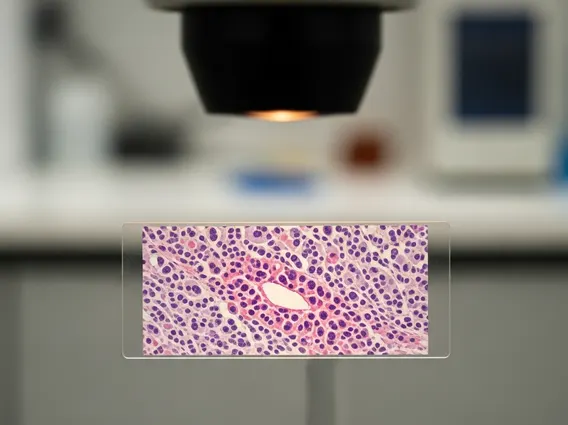
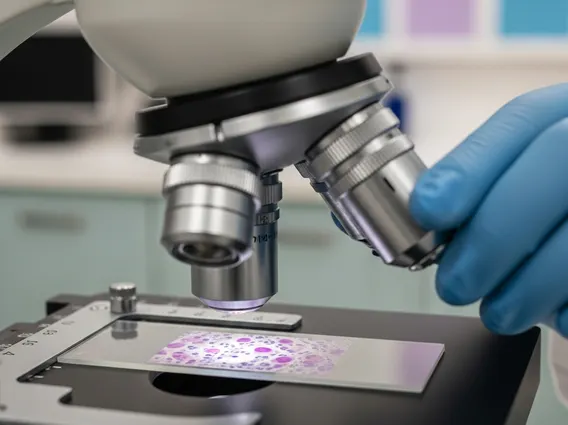
A Punch Biopsy is a medical procedure in which a small, cylindrical piece of tissue is removed from the body, most commonly the skin, for microscopic examination. This diagnostic technique is essential for evaluating suspicious skin lesions, rashes, and other dermatological concerns that cannot be definitively identified through visual inspection alone. The primary goal is to obtain a representative sample of the affected area, including the epidermis, dermis, and sometimes subcutaneous fat, to allow a pathologist to make an accurate diagnosis.
The procedure is done for several reasons. It helps determine the nature of a skin lesion, whether it is benign, precancerous, or cancerous. For instance, it is crucial in diagnosing various types of skin cancer, such as basal cell carcinoma, squamous cell carcinoma, and melanoma, which is the deadliest form of skin cancer, with an estimated 100,640 new cases diagnosed in the U.S. in 2024, according to the American Cancer Society. Additionally, a Punch Biopsy can aid in identifying inflammatory skin conditions, infections, and autoimmune diseases affecting the skin, guiding appropriate treatment strategies.
Punch Biopsy Procedure Steps
The Punch biopsy procedure explanation involves several distinct stages, typically performed in an outpatient setting. Patients are usually given specific instructions before the procedure, such as avoiding certain medications that can thin the blood. The process is generally quick, often taking only a few minutes from start to finish.
Here are the typical steps involved:
- Preparation: The area of skin to be biopsied is cleaned with an antiseptic solution to minimize the risk of infection.
- Anesthesia: A local anesthetic, such as lidocaine, is injected into and around the biopsy site. This numbs the area, ensuring the patient feels no pain during the tissue removal.
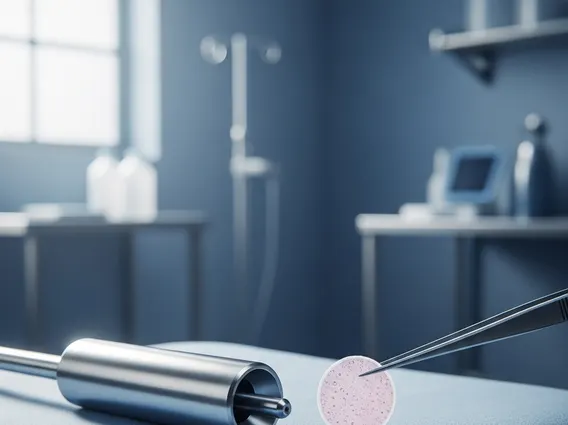
- Tissue Removal: A specialized, sterile, circular blade (punch tool) ranging from 2mm to 8mm in diameter is rotated and pressed into the skin. This removes a core of tissue that includes all layers of the skin.
- Wound Closure: After the tissue sample is removed, the small circular wound may be closed with one or two stitches, especially for larger punch sizes. Smaller sites might only require a sterile dressing.
- Specimen Handling: The removed tissue sample is placed in a preservative solution and sent to a pathology laboratory for microscopic analysis by a dermatopathologist.
Patients may feel a slight stinging or burning sensation during the injection of the local anesthetic, but the procedure itself should be painless once the area is numb. The entire process is designed to be as comfortable and efficient as possible.
Punch Biopsy Recovery and Aftercare
Proper Punch biopsy recovery and aftercare are crucial for optimal healing and to prevent complications. After the procedure, patients will receive specific instructions on how to care for the biopsy site. It is normal to experience some mild discomfort, redness, or bruising around the area for a few days.
Key aftercare instructions typically include:
- Keeping the site clean and dry: The dressing should remain in place for at least 24 hours. After that, the wound can be gently cleaned with mild soap and water daily.
- Applying ointment: An antibiotic ointment or petroleum jelly may be recommended to keep the wound moist and promote healing, preventing scab formation that can lead to larger scars.
- Changing dressings: A fresh bandage should be applied after cleaning, usually once or twice a day, until the wound is fully closed.
- Avoiding strenuous activity: Depending on the location of the biopsy, patients may be advised to limit activities that could stretch or put tension on the wound, such as heavy lifting or intense exercise, for a few days.
- Monitoring for infection: Watch for signs of infection, such as increased redness, swelling, warmth, pus, or fever, and contact the healthcare provider if these occur.
If stitches were used, they are typically removed within 7 to 14 days, depending on the biopsy location. Scarring is usually minimal but can vary based on individual healing and the size of the biopsy. Following these aftercare guidelines diligently helps ensure a smooth recovery and accurate diagnostic results.