Post-Treatment Care and Rehabilitation for Penile Cancer
Navigating life after a penile cancer diagnosis and treatment requires comprehensive care and a dedicated rehabilitation plan. This article explores the essential aspects of post-treatment care, focusing on physical healing, managing side effects, and restoring quality of life for survivors.
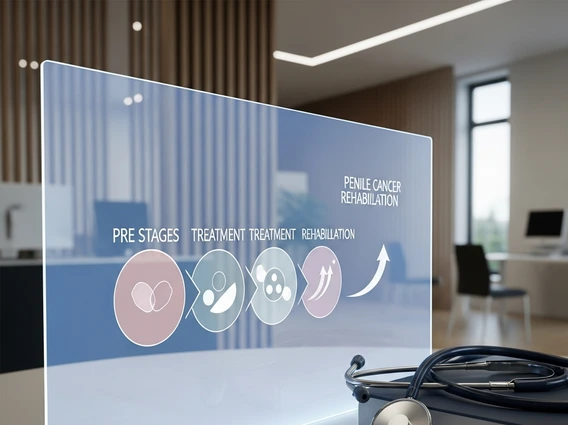
Key Takeaways
- Immediate post-treatment care emphasizes meticulous wound management and effective pain control to facilitate initial healing.
- Patients often face physical and emotional challenges, including urinary, sexual, and body image concerns, requiring integrated support.
- Rehabilitation is crucial for restoring physical function, managing lymphedema, and addressing sexual health to improve overall well-being.
- Long-term follow-up care is vital for monitoring for any signs of recurrence and managing potential late-onset side effects.
- Connecting with support groups and advocating for personal health are key components of a fulfilling life after penile cancer treatment.
Immediate Post-Treatment Care & Healing
The initial phase following penile cancer treatment is critical for physical recovery and setting the foundation for long-term well-being. This period focuses on healing the body from surgical interventions or other therapies, managing discomfort, and gradually resuming daily activities.
Wound Care & Pain Management
Proper wound care is paramount to prevent infection and promote healing at the surgical site. Patients will receive specific instructions on how to clean the wound, change dressings, and identify signs of complications such as redness, swelling, or discharge. Effective pain management strategies are also crucial during this period, often involving prescribed medications to control discomfort and allow for rest. Adhering strictly to medical advice during this phase is fundamental to a smooth penile cancer recovery, minimizing complications and accelerating the healing process.
Early Activity & Mobility Guidelines
While rest is important, early, gentle activity is often encouraged to prevent complications like blood clots and maintain muscle strength. Healthcare providers will offer specific guidelines tailored to the individual’s surgery type and overall health. This typically involves light walking and avoiding strenuous activities, heavy lifting, or anything that puts undue strain on the surgical area. Gradually increasing mobility under medical supervision helps in the initial stages of penile cancer recovery, supporting circulation and overall physical rehabilitation.
Managing Physical & Emotional Side Effects
Beyond the immediate healing, individuals undergoing treatment for penile cancer may experience a range of physical and emotional side effects that require ongoing attention. Addressing these comprehensively is a vital part of penile cancer post-treatment care, contributing significantly to a patient’s quality of life.
Addressing Urinary & Sexual Changes
Treatment for penile cancer can impact urinary function, potentially leading to changes such as incontinence, urgency, or difficulty with urination, depending on the extent of surgery. Similarly, sexual function can be significantly affected, with common issues including erectile dysfunction, changes in sensation, or altered body image impacting intimacy. Open communication with healthcare providers about these concerns is essential, as various medical and therapeutic interventions are available to help manage these challenges and improve function.
Coping with Body Image & Mental Health
The physical changes resulting from penile cancer treatment can profoundly affect a patient’s body image, leading to feelings of self-consciousness, anxiety, or depression. These emotional impacts are a significant aspect of managing side effects of penile cancer therapy. It is common for survivors to experience psychological distress, including fear of recurrence, grief, or difficulty adjusting to their new reality. Seeking support from mental health professionals, such as therapists or counselors, can provide valuable coping strategies and help individuals process these complex emotions, fostering mental well-being alongside physical recovery.
Rehabilitation for Optimal Penile Cancer Recovery
Rehabilitation plays a pivotal role in restoring function, managing long-term physical challenges, and enhancing the overall quality of life for individuals after penile cancer treatment. This proactive approach is integral to achieving optimal penile cancer recovery.
Physical Therapy & Lymphedema Management
Physical therapy is often recommended to address issues such as reduced mobility, scar tissue management, and muscle weakness that can arise after surgery. For some patients, particularly those who have undergone lymph node dissection, lymphedema—a chronic swelling caused by fluid retention—can be a significant concern. Specialized physical therapists can provide techniques for lymphedema management, including manual lymphatic drainage, compression therapy, and exercises, which are crucial components of rehabilitation after penile cancer surgery to alleviate symptoms and prevent progression.
Sexual Health & Intimacy Restoration
Restoring sexual health and intimacy is a key aspect of rehabilitation and improving life after penile cancer treatment. This can involve a multi-faceted approach, including counseling for individuals and partners to address emotional and psychological barriers, exploring various erectile dysfunction treatments (such as oral medications, vacuum devices, or penile implants), and adapting sexual practices. Open dialogue with a urologist or a sexual health specialist is vital to explore suitable options and develop a personalized plan that supports the restoration of a fulfilling intimate life.
Long-Term Follow-Up & Surveillance
After initial treatment, ongoing medical surveillance is a cornerstone of penile cancer post-treatment care. This long-term commitment helps ensure continued health and provides peace of mind for survivors.
Importance of Regular Medical Check-ups
Regular medical check-ups are essential for all penile cancer survivors. These appointments, scheduled at increasing intervals over time, allow healthcare providers to monitor the patient’s overall health, assess for any late-onset side effects of treatment, and provide ongoing support. These visits typically include physical examinations, discussions about any new symptoms, and sometimes blood tests or imaging studies. Adherence to this schedule is a critical part of follow-up care for penile cancer patients, ensuring that any potential issues are identified and addressed promptly.
Monitoring for Recurrence & New Symptoms
A primary goal of long-term surveillance is to monitor for any signs of cancer recurrence, either locally at the original site or in distant areas of the body. Patients are educated on symptoms to watch for, such as new lumps, skin changes, persistent pain, or unexplained weight loss, and are encouraged to report these immediately. The frequency and type of surveillance tests are tailored to the individual’s specific cancer stage and treatment history. This vigilant approach is a crucial aspect of the ongoing penile cancer recovery process, allowing for early detection and intervention if cancer returns.
Life & Support for Penile Cancer Survivors
Beyond medical care, the journey of a penile cancer survivor is significantly enhanced by robust support systems and active self-advocacy. These elements are fundamental to navigating life after penile cancer treatment and fostering overall well-being.
Finding Support Groups & Resources
Connecting with others who have faced similar experiences can provide invaluable emotional support and practical advice. Support groups, whether in-person or online, offer a safe space for survivors to share their stories, challenges, and triumphs, reducing feelings of isolation. Organizations dedicated to cancer support also provide a wealth of resources, including educational materials, financial assistance programs, and access to specialized counseling. Engaging with these communities forms a vital network of support for penile cancer survivors, helping them to cope and thrive.
Advocating for Your Health & Well-being
Empowering oneself to be an active participant in healthcare decisions is crucial for long-term well-being. This involves understanding one’s diagnosis and treatment plan, asking questions, and openly communicating concerns with the medical team. Patients should feel comfortable seeking second opinions and ensuring their preferences are respected. Proactive self-advocacy extends to lifestyle choices, such as maintaining a healthy diet, engaging in regular physical activity, and avoiding tobacco and excessive alcohol, all of which contribute positively to the ongoing penile cancer recovery process and overall health.
Frequently Asked Questions
How long does penile cancer recovery typically take?
The duration of penile cancer recovery varies significantly based on the stage of cancer, the type of treatment received, and individual health factors. Immediate post-surgical healing might take weeks, but full physical and emotional adjustment, including rehabilitation and managing long-term side effects, can extend over several months to years. Regular follow-up care is a lifelong commitment to monitor for recurrence and maintain overall health, making recovery an ongoing process rather than a fixed endpoint.
What are the most common long-term side effects of penile cancer treatment?
Long-term side effects of penile cancer treatment can include changes in urinary function, such as incontinence or altered stream, and significant impacts on sexual health, including erectile dysfunction or changes in sensation. Lymphedema, a chronic swelling, may occur if lymph nodes were removed. Psychological effects like anxiety, depression, and body image concerns are also common. Effective managing side effects of penile cancer therapy often requires a multidisciplinary approach involving urologists, physical therapists, and mental health professionals.
How important is follow-up care after penile cancer treatment?
Follow-up care for penile cancer patients is extremely important and forms a cornerstone of long-term management. Regular medical check-ups are essential for monitoring for any signs of cancer recurrence, detecting and managing late-onset treatment side effects, and addressing any new health concerns. Adhering to the recommended surveillance schedule significantly improves outcomes by allowing for early intervention if issues arise, thereby enhancing the overall prognosis and quality of life after penile cancer treatment.