
Post-Treatment Care and Rehabilitation for Kidney Cancer
Navigating the journey after a kidney cancer diagnosis extends far beyond initial treatment. This article delves into the crucial aspects of post-treatment care and rehabilitation for kidney cancer, offering guidance on recovery, managing side effects, and embracing a fulfilling life.
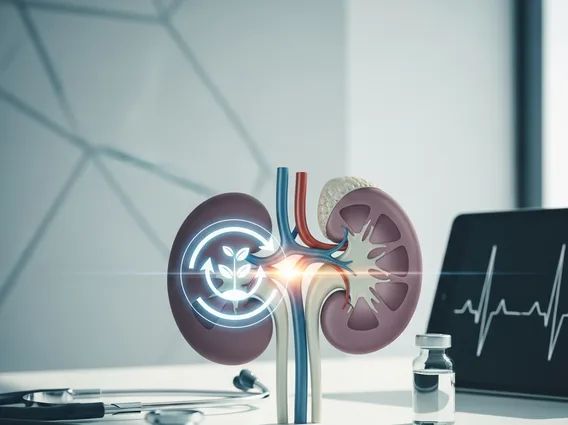
Key Takeaways
- Immediate post-operative care is vital for initial kidney cancer recovery, focusing on pain management, wound care, and early mobilization.
- Effective strategies for managing side effects of kidney cancer treatment are essential for improving quality of life and overall well-being.
- Rehabilitation for kidney cancer patients involves tailored physical activity and psychological support to regain strength, function, and mental health.
- Long-term monitoring and consistent follow-up are critical for detecting recurrence and ensuring sustained kidney cancer recovery after treatment.
- Building a strong support network and engaging with professional resources significantly aids in adapting to life after kidney cancer diagnosis.
Post-Surgery Care and Initial Kidney Cancer Recovery
The period immediately following surgery is a critical phase in kidney cancer recovery. Whether a partial or radical nephrectomy was performed, careful attention to post-operative care sets the foundation for a smoother healing process. Patients often spend several days in the hospital, where medical teams monitor vital signs, manage pain, and prevent complications.
Immediate Post-Operative Care
Effective post-surgery care kidney cancer involves several key components. Pain management is paramount, often utilizing a combination of oral medications, nerve blocks, or patient-controlled analgesia to ensure comfort and facilitate early movement. Wound care is also crucial to prevent infection; patients are typically instructed on how to care for their incision site at home, including signs of infection to watch for, such as redness, swelling, or discharge. Early mobilization, even just short walks, is encouraged to prevent blood clots and improve lung function. Hydration and nutrition are closely monitored, with a gradual reintroduction of solid foods as tolerated.
Early Recovery Challenges and Solutions
Patients often face various challenges during the early stages of kidney cancer recovery after treatment. Fatigue is a pervasive symptom, which can be managed by balancing rest with light activity and prioritizing sleep. Nausea and appetite changes are also common; small, frequent meals and avoiding strong odors can help. Emotional adjustments, including anxiety or sadness, are normal responses to a major surgery and cancer diagnosis. Open communication with healthcare providers about these symptoms is vital, as they can offer solutions or refer to specialists. For example, a dietitian can provide personalized advice for nutritional challenges, while a social worker or psychologist can offer support for emotional well-being.
Managing Treatment Side Effects and Long-Term Health
Beyond the immediate post-operative period, individuals undergoing kidney cancer recovery may experience a range of side effects from various treatments, including surgery, targeted therapy, immunotherapy, or radiation. Understanding and proactively addressing these effects is key to maintaining quality of life and promoting long-term health.
Common Physical and Emotional Side Effects
Managing side effects of kidney cancer treatment is an ongoing process. Physical side effects can include persistent fatigue, pain at the surgical site, changes in bowel habits, and for some, neuropathy (nerve damage) or skin rashes from systemic therapies. Emotional side effects are equally significant, encompassing anxiety, depression, fear of recurrence, and body image concerns. According to the American Cancer Society, fatigue is one of the most commonly reported and debilitating side effects across many cancer types, including kidney cancer. It is crucial for patients to report any new or worsening symptoms to their healthcare team, as many side effects can be effectively managed with medication, lifestyle adjustments, or supportive therapies.
Nutritional and Dietary Considerations
Maintaining optimal nutrition is fundamental for healing and overall health during kidney cancer recovery. Some patients may experience changes in taste, appetite, or digestion due to treatments. A balanced diet rich in fruits, vegetables, lean proteins, and whole grains supports immune function and energy levels. Hydration is also essential, especially if experiencing nausea or diarrhea. For those with a single kidney, monitoring kidney function through regular blood tests and adjusting protein intake might be necessary, as advised by a nephrologist or dietitian. Avoiding highly processed foods and excessive sugar can help reduce inflammation and support general well-being. A registered dietitian can provide personalized guidance tailored to individual needs and treatment plans.
Rehabilitation and Lifestyle Adjustments for Kidney Cancer Survivors
Embracing a proactive approach to rehabilitation and making thoughtful lifestyle adjustments are integral parts of life after kidney cancer diagnosis. These efforts contribute significantly to regaining strength, improving mental well-being, and enhancing overall quality of life.
Physical Activity and Exercise Guidelines
Rehabilitation for kidney cancer patients often includes a focus on physical activity. Regular, moderate exercise can combat fatigue, improve muscle strength, enhance cardiovascular health, and boost mood. After consulting with their healthcare team, survivors can gradually incorporate activities such as walking, swimming, or cycling. The American College of Sports Medicine recommends that cancer survivors aim for at least 150 minutes of moderate-intensity aerobic exercise and two strength-training sessions per week, adjusting as needed based on individual tolerance and recovery stage. Starting slowly and progressively increasing intensity and duration is crucial. Physical therapists can design individualized exercise programs that consider any physical limitations or specific post-surgical needs.
Mental Well-being and Coping Strategies
The psychological impact of a cancer diagnosis and treatment can be profound. Developing effective coping strategies is vital for mental well-being. This can include mindfulness practices, meditation, or engaging in hobbies that bring joy and relaxation. Connecting with others who have faced similar experiences can provide invaluable emotional support. Professional counseling or therapy can offer tools to manage anxiety, depression, and fear of recurrence, helping patients navigate the emotional landscape of life after kidney cancer diagnosis. Support groups, whether in-person or online, provide a safe space to share experiences and strategies, fostering a sense of community and reducing feelings of isolation.
Long-Term Monitoring and Support for Kidney Cancer Recovery
Sustained kidney cancer recovery requires diligent long-term monitoring and access to robust support systems. These elements are crucial for early detection of any recurrence and for ensuring survivors thrive in the years following treatment.
Follow-Up Schedule and Surveillance
A structured follow-up schedule is a cornerstone of managing the long-term outlook for kidney cancer survivors. This typically involves regular physical examinations, blood tests (including kidney function tests), and imaging scans such as CT or MRI. The frequency and type of surveillance depend on the stage of cancer at diagnosis, the type of treatment received, and individual risk factors. Initially, follow-up appointments may be every few months, gradually extending to once a year. Adhering to this schedule is critical for detecting any signs of recurrence or new primary tumors early, when they are most treatable. Patients should also be vigilant about reporting any new or persistent symptoms to their oncology team.
Finding Community and Professional Support
The journey of kidney cancer recovery after treatment is often made easier with strong support networks. This includes family and friends, but also extends to formal support systems. Patient advocacy groups, such as the Kidney Cancer Association, offer resources, educational materials, and platforms for connecting with other survivors. Professional support, including oncology social workers, psychologists, and financial counselors, can address various practical and emotional needs. These professionals can help navigate insurance issues, provide emotional counseling, or connect patients with local resources. Building a community of support fosters resilience and helps individuals adapt to the changes and challenges that may arise throughout their survivorship.
Frequently Asked Questions
What are the most common challenges during kidney cancer recovery after treatment?
The most common challenges during kidney cancer recovery after treatment include persistent fatigue, managing post-surgical pain or discomfort, and coping with the emotional impact of a cancer diagnosis. Patients may also experience changes in appetite, digestion, or body image. Addressing these challenges often involves a multidisciplinary approach, combining medical management, nutritional guidance, physical therapy, and psychological support to enhance overall well-being and facilitate a smoother recovery process.
How important is physical activity in rehabilitation for kidney cancer patients?
Physical activity is extremely important in rehabilitation for kidney cancer patients. It plays a crucial role in combating cancer-related fatigue, improving muscle strength and endurance, enhancing cardiovascular health, and boosting mood. Regular, tailored exercise can also help manage treatment side effects and reduce the risk of other chronic diseases. Under the guidance of healthcare professionals, a gradual and consistent exercise regimen significantly contributes to regaining functional independence and improving the long-term quality of life for survivors.
What does the long-term outlook for kidney cancer survivors typically involve?
The long-term outlook for kidney cancer survivors typically involves ongoing surveillance, including regular check-ups, blood tests, and imaging scans, to monitor for recurrence or new health issues. Many survivors lead full and active lives, but may need to manage lingering side effects or adapt to lifestyle changes, especially if they have only one kidney. Emotional well-being and access to support networks are also critical components of long-term survivorship, helping individuals navigate the psychological aspects of life after cancer.