Pneumatic Larynx
A pneumatic larynx is a non-electronic speech aid designed to help individuals who have lost their natural voice, typically due to laryngectomy or other vocal cord impairments. This device offers a mechanical solution for voice production, enabling users to communicate effectively.
Key Takeaways
- A Pneumatic Larynx is a mechanical device that uses air from the lungs to create vibrations, producing an artificial voice.
- It serves as an alternative communication method for individuals who have undergone a laryngectomy or experienced vocal cord damage.
- Unlike electronic devices, it relies on the user’s breath, offering a more natural sound quality for some users.
- Its operation involves directing exhaled air through a vibratory reed, with articulation formed by the mouth and tongue.
- Benefits include improved communication, portability, and a relatively straightforward learning curve for many users.
What is a Pneumatic Larynx?
A Pneumatic Larynx is a medical device that provides an alternative method of voice production for individuals who have lost the ability to speak using their natural vocal cords. This device, often referred to as a Pneumatic artificial larynx explanation, operates by harnessing the user’s exhaled breath to generate sound. Unlike electronic larynx devices that use battery-powered vibrations, a pneumatic larynx relies entirely on air pressure from the lungs to vibrate a diaphragm or reed, creating a sound source that can then be articulated into speech.
The primary purpose of a pneumatic larynx is to restore verbal communication for patients, particularly those who have undergone a total laryngectomy—the surgical removal of the larynx—due to conditions such as laryngeal cancer. The Pneumatic larynx definition and uses highlight its role as a rehabilitative tool, offering a means to regain speech and improve quality of life. It is a vital component in the array of speech rehabilitation options available, allowing individuals to participate in daily conversations and social interactions that might otherwise be challenging.
How a Pneumatic Larynx Works
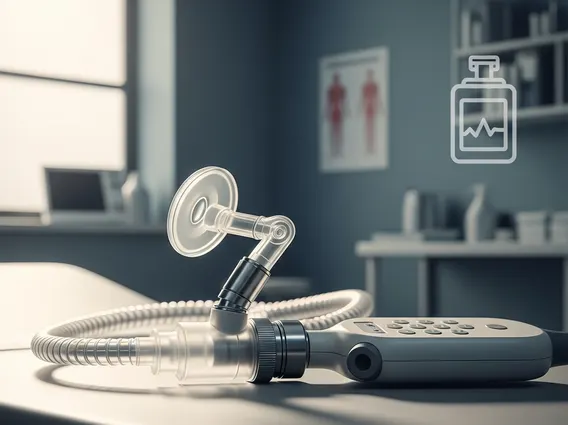
The operation of a pneumatic larynx is ingeniously simple, leveraging basic principles of acoustics and airflow. The device typically consists of a mouthpiece, a tube, and a sound-generating unit containing a vibrating reed or diaphragm. To operate it, the user places the mouthpiece against their stoma (the opening in the neck created during a laryngectomy) or holds it near their mouth, depending on the specific design.
When the user exhales, air from their lungs is directed through the tube and across the vibrating reed within the device. This airflow causes the reed to vibrate rapidly, producing a steady, buzzing sound. This sound is then channeled into the user’s oral cavity. The user then articulates this sound into intelligible words by moving their tongue, lips, and jaw, much like forming speech with a natural voice. The pitch and volume can be subtly modulated by varying the breath pressure and the tension of the oral cavity, although the range of modulation is typically less than that of a natural voice. The ease of use and the relatively natural sound produced by some models contribute to its effectiveness.
Applications and Benefits of Pneumatic Larynx
The applications of a pneumatic larynx primarily center on speech rehabilitation for individuals with significant vocal impairment or loss. Its most common use is among patients who have undergone a total laryngectomy, providing them with an immediate and accessible method of communication post-surgery. It can also be considered for individuals with severe vocal cord paralysis or other conditions that render natural speech impossible.
The benefits of using a pneumatic larynx are numerous, contributing significantly to a patient’s recovery and integration into society:
- Immediate Communication: It offers an immediate means of verbal communication, which is crucial for psychological well-being and practical needs post-laryngectomy.
- Non-Electronic Operation: Since it doesn’t require batteries or electricity, it is always ready for use, making it reliable in various situations and eliminating concerns about charging or power failure.
- Natural Sound Quality: For many users, the sound produced by a pneumatic larynx can be perceived as more natural and less robotic than that of some electronic larynx devices, as it is directly powered by the user’s breath.
- Portability and Durability: These devices are typically compact, lightweight, and robust, making them easy to carry and less prone to damage.
- Cost-Effectiveness: Compared to some other speech rehabilitation options, pneumatic devices can be more affordable, making them accessible to a wider range of patients.
While the pneumatic larynx offers significant advantages, it requires practice to master articulation and achieve clear speech. However, with dedicated training and support from speech-language pathologists, many users achieve proficient and functional communication, greatly enhancing their daily lives. This information is supportive only and does not replace medical treatment or professional advice.