Nutrition Tips for Flu-Like Signs & Symptoms
When flu-like signs and symptoms strike, your body needs all the support it can get to fight off infection and recover efficiently. While rest and medical care are paramount, proper nutrition plays a critical role in bolstering your immune system and alleviating discomfort.

Key Takeaways
- Prioritize hydration with water, broths, and electrolyte solutions to combat fluid loss from fever and sweating.
- Focus on easily digestible, nutrient-dense foods like soups, fruits, and vegetables to provide energy without taxing your digestive system.
- Avoid heavy, greasy, sugary, or highly processed foods that can exacerbate symptoms and hinder recovery.
- Incorporate foods rich in immune-supporting nutrients such as Vitamin C, Zinc, and Vitamin D to aid your body’s defenses.
- Listen to your body’s signals and eat small, frequent meals as tolerated to maintain energy levels.
Essential Nutrition Tips for Flu-Like Symptoms
Navigating flu-like symptoms requires a strategic approach to your diet, focusing on foods that are both nourishing and easy on your digestive system. The right nutrition tips for flu symptoms can make a significant difference in how quickly you bounce back. During this time, your body is working overtime to combat the virus, making energy conservation and immune support top priorities.
One of the primary pieces of dietary advice for flu symptoms is to opt for soft, bland foods that are less likely to upset a sensitive stomach. These foods provide essential calories and nutrients without requiring excessive energy for digestion. Think of your diet as a gentle aid to your recovery, not an additional burden.
Easily Digestible Foods
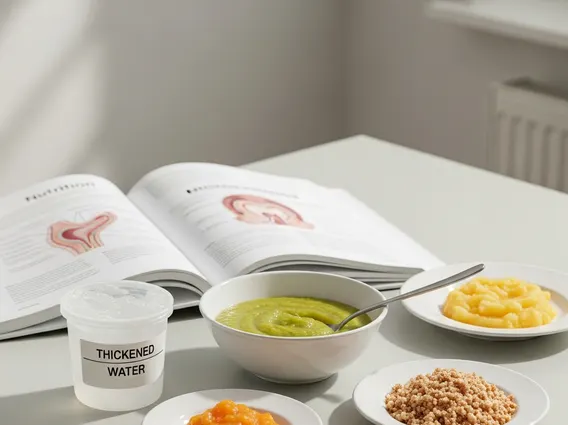
When you’re feeling unwell, your appetite might decrease, and your digestive system can become sluggish. Focusing on easily digestible foods ensures you get the necessary energy and nutrients without causing further discomfort. These foods are typically low in fiber, fat, and spices, making them gentle on the stomach lining.
- Broths and Soups: Chicken noodle soup, vegetable broth, or clear consommés are excellent choices. They provide fluids, electrolytes, and often some protein, making them a staple for what to eat with flu-like signs.
- Toast and Crackers: Plain toast, saltine crackers, or dry biscuits can help settle an upset stomach and provide simple carbohydrates for energy.
- Cooked Cereals: Oatmeal, cream of wheat, or rice porridge are soft, warm, and easy to digest, offering sustained energy.
- Soft Fruits: Bananas, applesauce, and canned peaches are gentle on the stomach and provide vitamins and natural sugars.
Nutrient-Dense Choices for Recovery
Beyond just being easy to digest, selecting foods that pack a nutritional punch is crucial for supporting your immune system and overall recovery. These choices provide the vitamins, minerals, and antioxidants your body needs to fight off infection and repair itself. Incorporating a variety of these foods ensures comprehensive nutritional support during flu.
Consider lean proteins like baked chicken or fish, which provide amino acids essential for immune cell production. Cooked vegetables such as carrots, sweet potatoes, and spinach are rich in vitamins A and C, and antioxidants, which are vital for immune function. Even when your appetite is low, small portions of these nutrient-dense foods can contribute significantly to your healing process.
Hydration Strategies for Flu Recovery
Maintaining adequate hydration is arguably the most critical aspect of managing flu-like symptoms. Fever, sweating, and potential vomiting or diarrhea can lead to significant fluid loss, increasing the risk of dehydration. Dehydration can worsen symptoms like headaches, fatigue, and muscle aches, making recovery more challenging. Therefore, consistent and strategic hydration for flu and cold is non-negotiable.
The Centers for Disease Control and Prevention (CDC) emphasizes the importance of drinking plenty of fluids when sick to help thin mucus and prevent dehydration. Aim to sip fluids continuously throughout the day, even if you don’t feel thirsty. Your body needs a steady supply of liquids to support its immune response and maintain vital bodily functions.
Here are key hydration strategies:
| Fluid Type | Benefits | Recommendation |
|---|---|---|
| Water | Essential for all bodily functions, helps regulate temperature. | Plain or infused with a slice of lemon/ginger; sip frequently. |
| Broths (Chicken/Vegetable) | Provides sodium, potassium, and other electrolytes; soothing. | Warm broths can also help clear nasal passages. |
| Electrolyte Drinks | Replenishes lost electrolytes, especially with vomiting/diarrhea. | Sports drinks (diluted), oral rehydration solutions. |
| Herbal Teas | Warm and soothing, can help with congestion; some have antioxidants. | Ginger, peppermint, chamomile; avoid excessive caffeine. |
| Diluted Fruit Juices | Provides some vitamins and energy; dilute to reduce sugar content. | Apple or cranberry juice, half water, half juice. |
Avoid sugary sodas and highly caffeinated beverages, as they can sometimes act as diuretics and contribute to dehydration. Focus on clear, non-irritating fluids to support your body’s fight against the infection.
Foods to Avoid When You Have the Flu
Just as certain foods can aid recovery, others can exacerbate symptoms and prolong your discomfort. Understanding foods to avoid when sick with flu is crucial for a smoother recovery. These foods can be difficult to digest, irritate a sensitive stomach, or contribute to inflammation, hindering your body’s healing process.
When your body is already under stress, it’s best to minimize anything that might add to its workload or cause further irritation. Avoiding these items can help conserve energy for your immune system and prevent additional digestive upset.
- Greasy and Fried Foods: High in fat, these foods are difficult to digest and can lead to nausea, indigestion, and stomach upset.
- Sugary Foods and Drinks: While a little sugar might seem appealing, excessive amounts can suppress the immune system temporarily and may contribute to inflammation. This includes candies, pastries, and sugary sodas.
- Spicy Foods: Can irritate the throat and stomach, potentially worsening coughs or digestive discomfort.
- Dairy Products (for some): While not universally problematic, some individuals find dairy products like milk and cheese can thicken mucus or cause digestive issues when sick. Listen to your body.
- Highly Processed Foods: Often low in nutrients and high in unhealthy fats, sugar, and additives, these foods offer little benefit and can be hard on your system.
- Alcohol and Caffeine: Both can contribute to dehydration and interfere with sleep, which is vital for recovery.
By consciously avoiding these types of foods, you can create an optimal internal environment for your body to focus on healing and recovery.
Boosting Recovery with Key Nutrients
Beyond general dietary guidelines, focusing on specific nutrients can provide targeted nutritional support during flu and accelerate your return to health. Certain vitamins and minerals are well-known for their roles in immune function and overall recovery. Incorporating foods rich in these compounds is part of the best foods for flu recovery strategy.
A balanced intake of these key nutrients helps fortify your immune system, enabling it to more effectively combat the virus and reduce the duration and severity of symptoms. While no single nutrient is a magic bullet, their combined effect contributes significantly to your body’s defense mechanisms.
Here are some key nutrients and their sources:
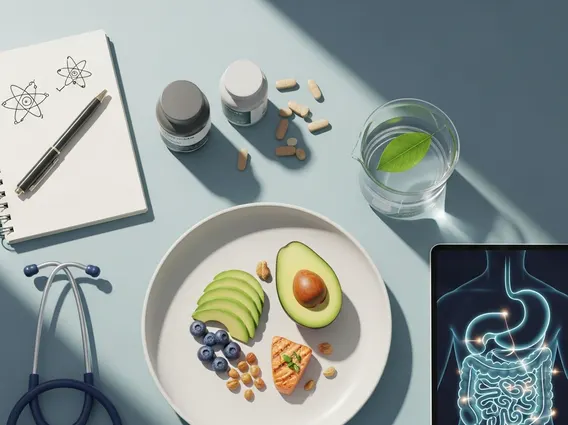
- Vitamin C: A powerful antioxidant that supports immune cell function. Found in citrus fruits (oranges, grapefruits), bell peppers, strawberries, kiwi, and broccoli.
- Zinc: Essential for immune cell development and function. Sources include lean meats, poultry, beans, nuts, and whole grains.
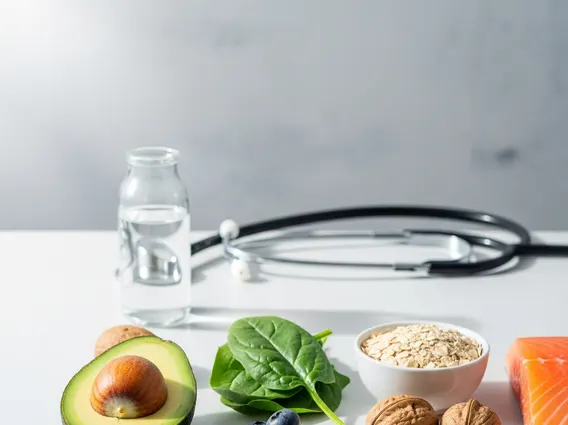
- Vitamin D: Plays a crucial role in immune regulation. Fatty fish (salmon, mackerel), fortified milk, and eggs are good dietary sources. Sunlight exposure is also a primary source.
- Protein: Crucial for repairing tissues and producing antibodies. Lean meats, poultry, fish, eggs, beans, and lentils are excellent sources.
- Antioxidants: Help protect cells from damage. Abundant in colorful fruits and vegetables like berries, spinach, and sweet potatoes.
While supplements can be considered, it’s generally recommended to obtain these nutrients from whole foods whenever possible, as they provide a synergistic blend of beneficial compounds. Always consult a healthcare professional before starting any new supplement regimen, especially when you are unwell.
Frequently Asked Questions
Can certain supplements help with flu recovery?
While a balanced diet is the best source of nutrients, some supplements like Vitamin C, Zinc, and Vitamin D are often considered for immune support. Vitamin C may help reduce the duration of cold symptoms in some individuals, and Zinc is vital for immune function. Vitamin D plays a role in immune regulation. However, supplements should not replace a healthy diet and medical advice. Always consult your doctor before taking any supplements, especially when ill, to ensure they are appropriate for your specific health needs and won’t interact with other medications.
How long should I follow these dietary tips?
These dietary tips are most crucial during the acute phase of your flu-like symptoms, typically lasting a few days to a week. Continue prioritizing hydration and easily digestible, nutrient-dense foods until your symptoms significantly improve and your appetite returns to normal. Even after you start feeling better, gradually reintroduce your regular diet, continuing to focus on whole, unprocessed foods to support ongoing recovery and strengthen your immune system. Listen to your body’s signals; if a food causes discomfort, avoid it for a bit longer.
Is it okay to eat dairy when I have the flu?
For most people, moderate consumption of dairy products like yogurt or milk is acceptable and can provide protein and calcium. However, some individuals find that dairy can temporarily thicken mucus or cause digestive upset when they are sick. If you notice that dairy products worsen your congestion or cause stomach discomfort, it’s advisable to temporarily reduce or avoid them. Alternatives like almond milk or oat milk can provide hydration without potential issues. Pay attention to how your body reacts and adjust your intake accordingly.
Disclaimer: The information provided in this article is for general informational purposes only and does not constitute medical advice. It is not intended to diagnose, treat, cure, or prevent any disease. Always consult with a qualified healthcare professional for any health concerns or before making any decisions related to your health or treatment. This information is supportive only and does not replace professional medical treatment.