Nutrition Tips for Fertility Issues in Females
Navigating fertility challenges can be a complex journey, and while medical interventions are often essential, lifestyle factors, particularly diet, play a significant supportive role. This article delves into how specific nutrition for female fertility can positively influence reproductive health, offering practical diet tips to improve female fertility for those trying to conceive.
Key Takeaways
- Adopting a balanced diet rich in whole foods, lean proteins, and healthy fats is crucial for optimizing female reproductive health.
- Specific micronutrients like folate, iron, zinc, and antioxidants are vital for egg quality and hormonal balance.
- Limiting processed foods, refined sugars, and excessive caffeine can help reduce inflammation and support a healthy reproductive environment.
- A well-planned fertility diet for women emphasizes plant-based proteins, complex carbohydrates, and omega-3 fatty acids.
- Consulting with a healthcare provider or registered dietitian is recommended for personalized dietary advice for female infertility.
Effective Nutrition Tips for Female Fertility Issues
Optimizing one’s diet is a foundational step for women facing fertility challenges. Research suggests that dietary patterns can significantly impact ovulatory function, hormone balance, and overall reproductive health. For instance, studies have indicated that a diet rich in certain nutrients can reduce the risk of ovulatory infertility by up to 69% in some populations. Focusing on whole, unprocessed foods is paramount, as they provide the essential vitamins, minerals, and antioxidants needed for healthy egg development and uterine environment.
Beyond general healthy eating, specific adjustments can be made to create the best nutrition for women trying to conceive. This involves not only what to eat but also what to limit or avoid. For example, reducing trans fats and increasing monounsaturated fats can improve insulin sensitivity, which is particularly beneficial for women with conditions like Polycystic Ovary Syndrome (PCOS), a common cause of infertility affecting 5-10% of women of reproductive age, according to the CDC.
Macronutrient Balance for Conception
Achieving the right balance of macronutrients—carbohydrates, proteins, and fats—is critical for reproductive health. Complex carbohydrates, found in whole grains, legumes, and vegetables, provide sustained energy and help regulate blood sugar levels, preventing insulin spikes that can disrupt hormonal balance. Prioritizing plant-based proteins, such as those from beans, lentils, and nuts, over animal proteins has also been associated with improved fertility outcomes. Healthy fats, particularly omega-3 fatty acids from sources like fatty fish, flaxseeds, and walnuts, are essential for hormone production and reducing inflammation, which can be detrimental to fertility.
Micronutrient Focus for Reproductive Health
Specific vitamins and minerals play indispensable roles in female fertility. Folate (Vitamin B9) is crucial for preventing neural tube defects and is involved in DNA synthesis and repair, making its adequate intake vital even before conception. Iron is necessary for healthy red blood cell production and preventing anemia, which can impact ovulation. Zinc supports egg development and hormone regulation, while selenium acts as an antioxidant, protecting eggs from oxidative stress. Additionally, Vitamin D deficiency has been linked to various fertility issues, underscoring the importance of adequate sun exposure or supplementation under medical guidance.
Foods to Boost Female Conception
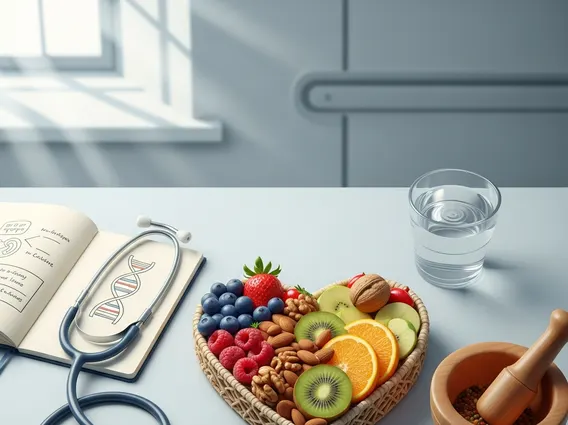
Incorporating specific foods that help female conception into your daily meals can significantly enhance your chances of pregnancy. These foods are often rich in antioxidants, healthy fats, and key micronutrients that support hormonal balance, egg quality, and overall reproductive function. Embracing a diet focused on nutrient-dense options is a proactive step in eating for fertility in women, providing the body with the building blocks it needs for a healthy conception.
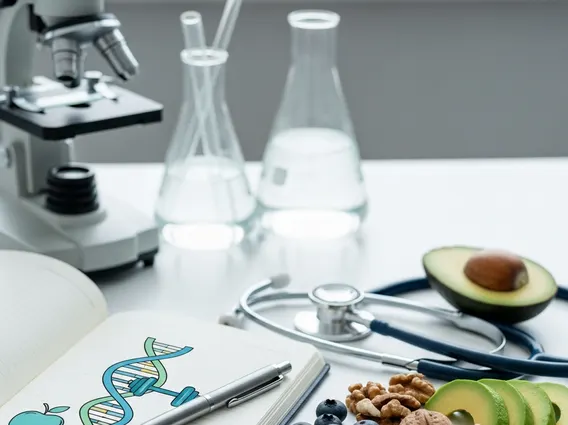
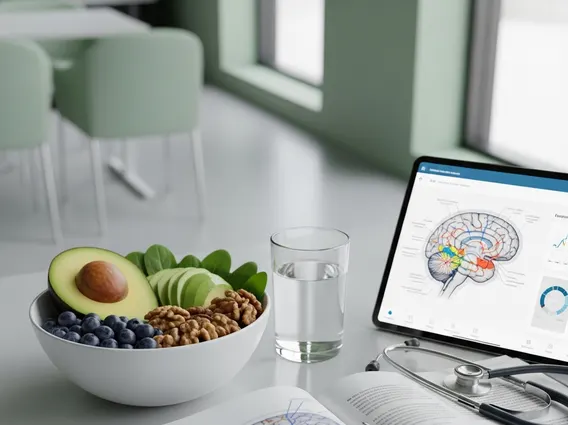
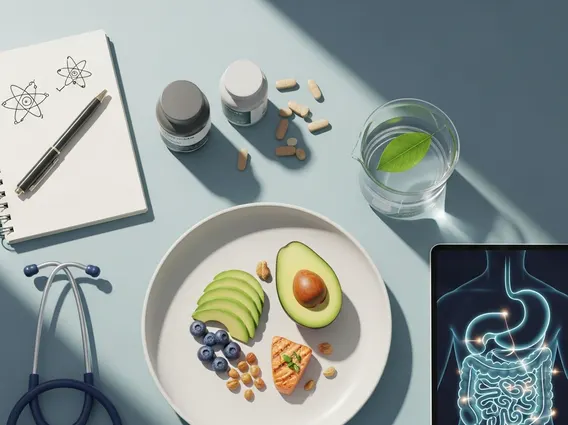
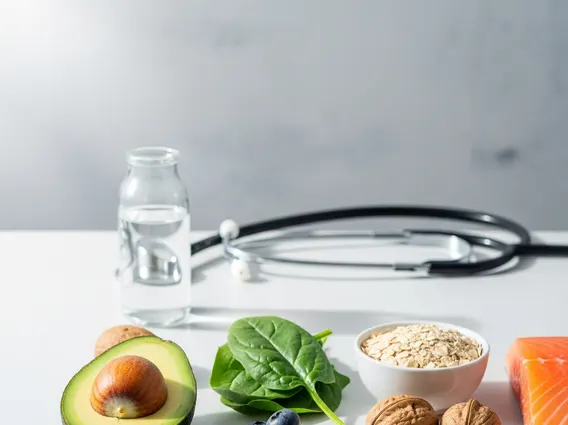
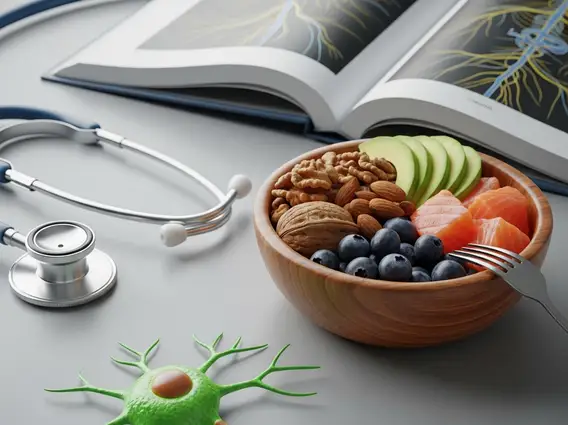
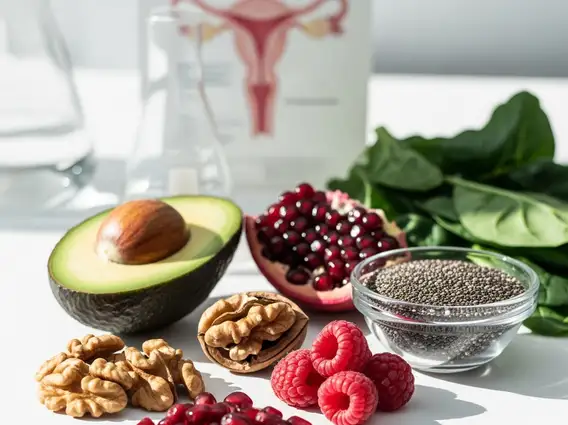
While no single food is a magic bullet, a synergistic approach combining various beneficial foods yields the best results. For example, berries are packed with antioxidants, which protect eggs from damage, while leafy greens provide essential folate and iron. Avocados offer monounsaturated fats and vitamin E, both important for reproductive health. Here’s a table outlining key food groups and their fertility benefits:
| Food Group | Examples | Key Nutrients & Fertility Benefits |
|---|---|---|
| Leafy Green Vegetables | Spinach, kale, romaine lettuce | Folate, iron, antioxidants; supports DNA synthesis and egg quality. |
| Whole Grains | Quinoa, brown rice, oats, whole wheat bread | Complex carbohydrates, fiber; helps stabilize blood sugar and insulin levels. |
| Legumes | Lentils, chickpeas, black beans | Plant-based protein, fiber, folate, iron; supports hormonal balance. |
| Healthy Fats | Avocado, nuts, seeds, olive oil | Monounsaturated fats, omega-3s, Vitamin E; essential for hormone production and reducing inflammation. |
| Berries | Blueberries, raspberries, strawberries | Antioxidants (Vitamin C, flavonoids); protects eggs from oxidative stress. |
| Fatty Fish | Salmon, mackerel, sardines | Omega-3 fatty acids, Vitamin D; reduces inflammation, supports hormone regulation. |
| Dairy (Full-Fat) | Whole milk, full-fat yogurt | Calcium, Vitamin D; some studies suggest a link to improved ovulatory fertility. |
Crafting a Fertility Diet for Women
Designing a comprehensive fertility diet for women involves more than just adding beneficial foods; it’s about creating a sustainable eating pattern that supports reproductive health long-term. This holistic approach emphasizes balance, variety, and consistency. It’s crucial to remember that dietary changes work best when integrated into a broader healthy lifestyle, including regular physical activity, stress management, and adequate sleep.
When developing a personalized plan, consider focusing on nutrient density and anti-inflammatory properties. This means prioritizing whole, unprocessed foods while significantly reducing or eliminating items known to be detrimental to fertility, such as trans fats, refined sugars, and highly processed snacks. The goal is to create an optimal internal environment, making the body more receptive to conception. Here are some practical dietary advice for female infertility:
- Prioritize Plant-Based Proteins: Incorporate more beans, lentils, nuts, and seeds into your diet, aiming to replace some animal protein sources.
- Choose Complex Carbohydrates: Opt for whole grains like quinoa, brown rice, and oats over refined grains to maintain stable blood sugar levels.
- Embrace Healthy Fats: Include sources of monounsaturated and omega-3 fatty acids daily, such as avocados, olive oil, nuts, seeds, and fatty fish.
- Boost Antioxidant Intake: Consume a wide variety of colorful fruits and vegetables to ensure a rich supply of antioxidants.
- Stay Hydrated: Drink plenty of water throughout the day, as proper hydration is essential for overall bodily functions, including reproductive health.
- Limit Processed Foods and Sugars: Minimize intake of sugary drinks, fast food, and packaged snacks, which can contribute to inflammation and insulin resistance.
- Moderate Caffeine and Alcohol: While some studies suggest moderate caffeine intake is fine, it’s often advisable to limit or avoid both caffeine and alcohol when trying to conceive.
Remember that individual needs can vary, and what works for one person may not be ideal for another. Consulting with a healthcare professional or a registered dietitian specializing in fertility can provide tailored guidance and ensure your dietary plan aligns with your specific health profile and fertility goals.
Frequently Asked Questions
What specific nutrients are most important for female fertility?
Key nutrients for female fertility include folate (Vitamin B9), crucial for preventing birth defects and DNA synthesis; iron, vital for healthy red blood cells and preventing anemia; zinc, which supports egg development and hormone regulation; and selenium, an antioxidant protecting eggs from damage. Additionally, omega-3 fatty acids are important for reducing inflammation and hormone production, while Vitamin D plays a role in various reproductive processes.
Can diet alone resolve fertility issues?
While diet plays a significant supportive role in optimizing reproductive health and can improve fertility outcomes, it is rarely a standalone solution for complex fertility issues. Dietary changes can enhance egg quality, regulate hormones, and reduce inflammation, but they do not replace medical diagnosis and treatment for underlying conditions such as structural abnormalities, severe hormonal imbalances, or male factor infertility. It’s best used as a complementary approach alongside professional medical care.
How long does it take for dietary changes to impact fertility?
The impact of dietary changes on fertility can vary, but generally, it takes at least three months for significant changes to manifest in egg quality and hormonal balance. This timeframe aligns with the maturation cycle of eggs, which is approximately 90 days. Consistent adherence to a fertility-friendly diet over several months allows the body to build up nutrient reserves and optimize reproductive functions, making it a long-term commitment rather than a quick fix.