Nutrition Tips for Edema
Edema, characterized by swelling caused by excess fluid trapped in the body’s tissues, can be uncomfortable and concerning. While medical treatment is often necessary, understanding the role of diet is crucial for managing this condition. This article provides comprehensive nutrition tips for edema, offering practical guidance to help alleviate symptoms and improve overall well-being.

Key Takeaways
- Significantly reduce sodium intake to prevent fluid retention and support edema relief.
- Incorporate potassium-rich foods like bananas, spinach, and sweet potatoes to help balance electrolytes.
- Maintain adequate hydration with water, but always follow medical advice if you have specific health conditions.
- Limit processed foods, sugary drinks, and excessive alcohol, as these can exacerbate fluid buildup.
- Consult a healthcare professional for personalized dietary advice for managing edema tailored to your individual needs.
Essential Nutrition Tips for Edema
Edema, the accumulation of fluid in body tissues, can be influenced significantly by dietary choices. Implementing effective nutrition tips for edema relief involves a multi-faceted approach, primarily focusing on managing fluid balance and reducing inflammation. A well-structured nutrition guide for edema patients emphasizes mindful eating habits and understanding the impact of various nutrients on the body’s fluid regulation systems.
One of the most critical aspects of managing edema through diet is controlling sodium intake. Sodium plays a pivotal role in fluid balance, and excessive consumption can lead to increased fluid retention. The Centers for Disease Control and Prevention (CDC) recommends that adults limit sodium intake to less than 2,300 milligrams per day, but individuals with edema may require even stricter limits, often advised to stay below 1,500 mg. This reduction is a cornerstone of any effective dietary strategy for alleviating swelling.
Beyond sodium, a balanced intake of other electrolytes, particularly potassium and magnesium, is vital. These minerals work in conjunction with sodium to maintain proper fluid levels within and outside cells. A deficiency or excess in any of these can disrupt the delicate balance, potentially exacerbating edema. Therefore, a holistic approach to diet is essential, focusing on whole, unprocessed foods that naturally provide these necessary nutrients.
Best Foods to Reduce Edema Swelling
Adopting a diet rich in certain nutrients can significantly contribute to reducing edema swelling. Focusing on what to eat for fluid retention involves prioritizing foods known for their diuretic properties, anti-inflammatory effects, and ability to support healthy kidney function. A healthy diet for edema management is generally abundant in fruits, vegetables, lean proteins, and whole grains, which collectively help the body maintain fluid balance.
Potassium-rich foods are particularly beneficial as potassium helps counteract the effects of sodium and promotes fluid excretion. Incorporating a variety of these foods into your daily meals can be a powerful strategy for edema relief. Similarly, foods high in magnesium can aid in muscle and nerve function, blood glucose control, and blood pressure regulation, all of which indirectly support fluid balance.
- Potassium-Rich Foods: These include bananas, oranges, spinach, sweet potatoes, avocados, and tomatoes. Potassium helps the kidneys excrete excess sodium and water, directly contributing to edema relief.
- Diuretic Vegetables: Asparagus, celery, cucumbers, and parsley are natural diuretics that can help increase urine output and reduce fluid buildup.
- Lean Proteins: Sources like chicken breast, fish, beans, and lentils provide essential amino acids that are crucial for maintaining osmotic pressure in the blood, preventing fluid from leaking into tissues.
- Whole Grains: Oats, brown rice, and quinoa offer fiber and B vitamins, supporting overall metabolic health and potentially aiding in fluid regulation.
Incorporating Anti-Inflammatory Foods
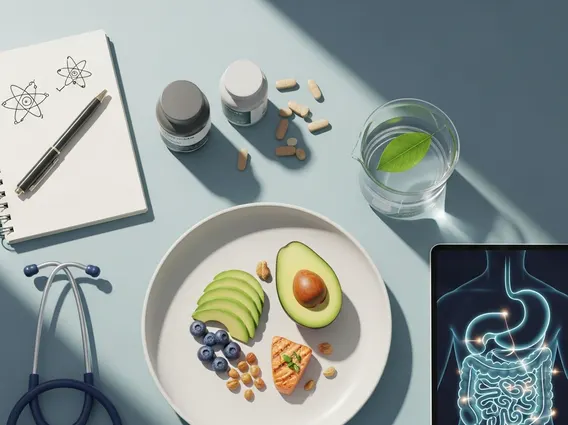
Beyond specific minerals, emphasizing anti-inflammatory foods can also play a role in managing edema, especially if inflammation is a contributing factor. Foods rich in antioxidants and omega-3 fatty acids can help reduce systemic inflammation, which might otherwise exacerbate fluid retention. Berries, leafy greens, fatty fish like salmon, and nuts are excellent choices for supporting overall health and potentially reducing swelling.
The Role of Water-Rich Fruits and Vegetables
Many fruits and vegetables have a high water content, which might seem counterintuitive for fluid retention, but they are crucial for hydration and electrolyte balance. Consuming items like watermelon, strawberries, cantaloupe, and bell peppers can help the body flush out toxins and maintain proper hydration without adding excess sodium, making them excellent choices for what to eat for fluid retention.
Foods to Avoid with Fluid Retention
Just as certain foods can help alleviate edema, others can significantly worsen it. Understanding foods to avoid with edema is as crucial as knowing what to consume. The primary culprits are those high in sodium, processed ingredients, and unhealthy fats, which can disrupt the body’s natural fluid balance and promote inflammation.
Highly processed foods are often laden with hidden sodium, even if they don’t taste particularly salty. Items like canned soups, frozen meals, fast food, cured meats, and many packaged snacks contain excessive amounts of sodium to enhance flavor and act as preservatives. Regularly consuming these can lead to chronic fluid retention and make edema management challenging. Checking nutrition labels for sodium content is an indispensable habit for anyone managing edema.
Sugary drinks and foods with added sugars can also contribute to inflammation and may indirectly affect fluid balance. While not directly causing edema, a diet high in sugar can lead to weight gain and other metabolic issues that can exacerbate underlying conditions contributing to swelling. Similarly, excessive alcohol consumption is known to cause dehydration and can interfere with the body’s hormone regulation, potentially leading to fluid imbalances.
| Category | Examples to Limit/Avoid | Reason for Limitation |
|---|---|---|
| High-Sodium Processed Foods | Canned soups, frozen dinners, deli meats, fast food, chips, pickles | Excessive sodium leads to increased fluid retention in tissues. |
| Sugary Beverages & Foods | Sodas, fruit juices with added sugar, pastries, candies | Contribute to inflammation and can disrupt metabolic balance. |
| Excessive Alcohol | Beer, wine, spirits in large quantities | Can cause dehydration and interfere with fluid-regulating hormones. |
| Certain Condiments | Soy sauce, ketchup, salad dressings, some spice mixes | Often contain high levels of hidden sodium. |
Hydration and Lifestyle for Edema
While dietary choices are paramount, managing edema effectively also involves proper hydration and adopting certain lifestyle modifications. It might seem counterintuitive to drink more water when experiencing fluid retention, but adequate hydration is vital for kidney function and helps the body flush out excess sodium and toxins. For most individuals, maintaining consistent water intake throughout the day is part of comprehensive dietary advice for managing edema. However, individuals with specific medical conditions, such as heart failure or kidney disease, should always follow their doctor’s personalized fluid intake recommendations.
Beyond hydration, regular physical activity plays a significant role in preventing and reducing edema. Movement helps to circulate fluids throughout the body and can prevent fluid from pooling in the extremities. Even light activities like walking, swimming, or cycling can be beneficial. Elevating affected limbs, especially during rest, can also help gravity move fluid away from swollen areas. For instance, elevating legs above heart level for 20-30 minutes several times a day can offer considerable relief.
Other lifestyle factors include wearing compression garments, if recommended by a healthcare provider, to help prevent fluid accumulation in the limbs. Avoiding prolonged standing or sitting, taking breaks to move around, and managing stress can also contribute to a holistic approach to edema management. It’s important to remember that dietary changes should always be part of a broader strategy that includes medical consultation and lifestyle adjustments for the most effective relief.
Frequently Asked Questions
Can drinking more water help with edema?
Yes, in most cases, adequate hydration is crucial. While it might seem counterintuitive, drinking enough water helps your kidneys function efficiently, allowing them to flush out excess sodium and waste products, which can reduce fluid retention. However, individuals with specific medical conditions like heart failure or kidney disease should consult their doctor for personalized fluid intake recommendations, as excessive water intake could be harmful in these situations.
How quickly can diet changes impact edema?
The speed at which diet changes impact edema can vary depending on the individual and the underlying cause of the edema. For mild cases primarily linked to high sodium intake, significant improvements in swelling might be noticed within a few days to a week of strictly adhering to a low-sodium diet and incorporating beneficial foods. For more chronic or severe cases, or those related to underlying medical conditions, it may take longer, and dietary changes will be part of a broader treatment plan.
Are there any supplements that can help with edema?
While some supplements like magnesium, potassium (under medical supervision), or certain herbal diuretics (e.g., dandelion leaf) are sometimes discussed in relation to fluid balance, it is crucial to exercise caution. The effectiveness and safety of supplements for edema are not universally established, and they can interact with medications or exacerbate underlying conditions. Always consult a healthcare professional before taking any supplements, as they are not a substitute for medical treatment or a balanced diet.
This article provides general information and nutrition tips for edema. It is not intended to be a substitute for professional medical advice, diagnosis, or treatment. Always seek the advice of your physician or other qualified health provider with any questions you may have regarding a medical condition or before making any changes to your diet, exercise, or medication regimen.