Nutrition Tips for Dry Mouth
Dry mouth, medically known as xerostomia, is a common condition characterized by insufficient saliva production, leading to discomfort and potential oral health issues. While various factors can contribute to dry mouth, including medications, medical conditions, and lifestyle choices, dietary adjustments play a crucial role in managing symptoms and improving quality of life. This article provides comprehensive nutrition advice for dry mouth sufferers, focusing on foods that hydrate and soothe, as well as those to avoid.

Key Takeaways
- Prioritize consistent hydration throughout the day to alleviate dry mouth symptoms.
- Incorporate water-rich fruits, vegetables, and soft, moist foods into your daily diet for xerostomia relief.
- Avoid dehydrating beverages like caffeine and alcohol, and irritating foods such as spicy, acidic, or overly sugary items.
- Stimulate saliva production naturally by chewing sugar-free gum or consuming foods that require chewing.
- Consult with a healthcare professional or dentist for personalized nutrition tips for dry mouth and comprehensive management strategies.
Key Nutrition Tips for Dry Mouth Management
Managing dry mouth effectively often begins with a strategic approach to diet and fluid intake. The primary goal of nutrition tips for dry mouth is to maintain oral moisture, stimulate saliva production, and prevent further irritation to sensitive oral tissues. Dry mouth affects a significant portion of the adult population, with estimates suggesting it impacts up to 25% of individuals, particularly older adults and those on certain medications, making dietary interventions critical for symptom relief.
Consistent hydration is paramount for anyone experiencing xerostomia. While it may seem obvious, many individuals do not consume enough fluids throughout the day. Regular sips of water, even when not feeling thirsty, can significantly help in moistening the mouth and throat. Beyond plain water, incorporating other hydrating fluids and foods is essential. This holistic approach to fluid intake forms the cornerstone of any effective hydration tips for dry mouth strategy, ensuring the mouth remains as moist as possible.
Furthermore, stimulating natural saliva flow is a key component of a successful diet for xerostomia relief. Chewing certain foods or sugar-free gum can activate salivary glands. Foods that require some chewing, especially those with a high water content, are particularly beneficial. This mechanical action helps to lubricate the mouth and aids in the natural cleansing process, reducing the risk of dental problems often associated with chronic dry mouth. Understanding these fundamental principles allows individuals to make informed dietary choices that directly address their symptoms.
Foods That Hydrate and Soothe Dry Mouth
Choosing the right foods to help dry mouth can make a significant difference in comfort and oral health. The focus should be on items that are naturally moist, easy to chew and swallow, and non-irritating. These choices not only provide essential nutrients but also contribute to the overall moisture level in the mouth, offering much-needed relief from the persistent dryness. Incorporating a variety of these items into your daily meals forms the core of a supportive natural remedies for dry mouth diet.
Many individuals wonder what to eat with dry mouth to alleviate discomfort. The answer lies in prioritizing soft, hydrating foods that minimize the effort required for chewing and don’t exacerbate dryness. Think about foods that are naturally high in water content or those that can be easily pureed or mashed. These options are among the best foods for dry mouth sufferers, as they provide moisture and nutrients without causing further irritation to already sensitive oral tissues.
Water-Rich Fruits and Vegetables
Fruits and vegetables with high water content are excellent choices for hydrating the mouth and body. They are often soft, making them easier to chew and swallow, and their natural sugars can provide a mild stimulus for saliva production without the detrimental effects of added sugars. These foods are a cornerstone of any effective nutrition advice for dry mouth.
- Watermelon and Cantaloupe: Exceptionally high in water, these fruits are refreshing and easy to consume.
- Cucumber and Celery: Offer a crisp texture and high water content, aiding in hydration.
- Berries (Strawberries, Blueberries): While slightly acidic, their high water content and soft texture make them generally well-tolerated.
- Leafy Greens (Spinach, Lettuce): Can be incorporated into smoothies or salads with moist dressings.
Soft, Moist Foods
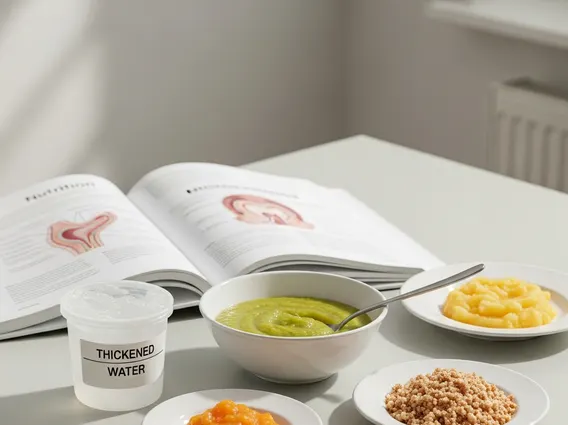
Beyond fresh produce, a range of soft, moist foods can significantly contribute to a comfortable eating experience for those with dry mouth. These foods require minimal chewing and are less likely to stick to the mouth, reducing discomfort and the risk of choking. They are integral to a practical diet for xerostomia relief.
Consider incorporating the following into your meals:
| Food Category | Examples for Dry Mouth Sufferers |
|---|---|
| Dairy Products | Yogurt, cottage cheese, soft cheeses, milk |
| Cooked Grains | Oatmeal, cream of wheat, well-cooked pasta, rice pudding |
| Soups and Stews | Broth-based soups, pureed vegetable soups, stews with tender meat/vegetables |
| Soft Proteins | Tender cooked fish, shredded chicken with gravy, tofu, eggs (scrambled, poached) |
| Mashed Vegetables | Mashed potatoes, sweet potatoes, pureed carrots or squash |
These options provide essential nutrients while being gentle on a dry mouth. Adding gravies, sauces, or broths to meals can further enhance moisture and ease of consumption, making them excellent foods to help dry mouth.
What to Avoid in Your Diet for Dry Mouth Relief
Just as important as knowing what to eat with dry mouth is understanding which foods and beverages can exacerbate symptoms. Certain items can further dehydrate the mouth, irritate sensitive tissues, or make chewing and swallowing more difficult, counteracting any efforts towards diet for xerostomia relief. Eliminating or significantly reducing these items is a critical part of comprehensive nutrition tips for dry mouth.
Highly acidic foods and beverages, such as citrus fruits (lemons, limes, oranges) and juices, tomatoes, and vinegar-based dressings, can irritate the delicate oral mucosa when saliva flow is low. Similarly, spicy foods containing capsaicin can cause a burning sensation that is amplified in a dry mouth. These irritants should be minimized to prevent discomfort and protect oral tissues. Additionally, overly sugary foods and drinks contribute to a higher risk of dental caries, a common complication of xerostomia due to the lack of protective saliva.
Dry, hard, or crumbly foods are particularly challenging for individuals with dry mouth. Items like crackers, dry toast, hard candies, and nuts can be difficult to chew and swallow, often sticking to the roof of the mouth or gums, leading to discomfort and potential choking hazards. Even seemingly innocuous foods like bread can become problematic if not consumed with ample liquid. Furthermore, beverages known for their dehydrating effects, such as caffeine (found in coffee, tea, and some sodas) and alcohol, should be avoided or consumed in moderation. These substances actively reduce moisture in the mouth and body, undermining all hydration tips for dry mouth and worsening symptoms.
Frequently Asked Questions
Q: How does dry mouth affect overall oral health?
A: Dry mouth significantly impacts oral health by reducing the protective functions of saliva. Saliva helps neutralize acids, wash away food particles, and provides minerals that repair tooth enamel. Without sufficient saliva, individuals are at a higher risk of developing dental cavities, gum disease, oral infections (like thrush), and difficulty with chewing, swallowing, and speaking. It can also lead to bad breath and make wearing dentures uncomfortable.
Q: Can chewing gum help with dry mouth?
A: Yes, chewing sugar-free gum can be beneficial for stimulating saliva production in individuals with dry mouth. The act of chewing mechanically activates the salivary glands, increasing saliva flow. Opt for gums sweetened with xylitol, as xylitol has additional benefits for oral health by inhibiting the growth of cavity-causing bacteria. Avoid sugary gums, which can exacerbate dental problems due to reduced saliva.
Q: Are there specific vitamins or supplements for dry mouth?
A: While there isn’t a specific vitamin or supplement universally recommended to cure dry mouth, some individuals find relief with certain nutrients. B vitamins, particularly B6 and B12, are important for overall oral health. Some research suggests that omega-3 fatty acids might help with inflammation, which can indirectly affect salivary glands. However, always consult a healthcare professional before starting any new supplements, as they may interact with medications or underlying health conditions. Dietary changes often provide more direct relief.