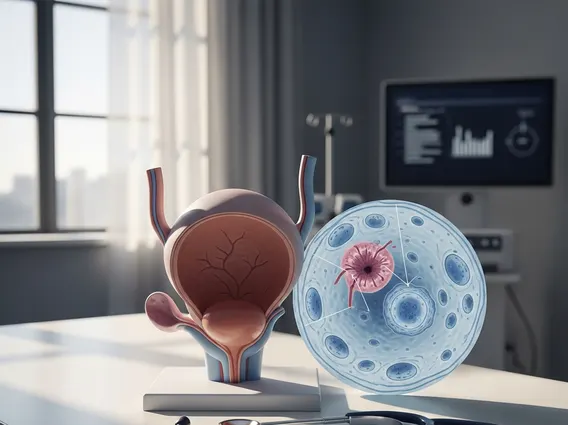
NRG1 fusion pancreatic cancer refers to a rare but clinically significant subtype of pancreatic cancer driven by gene fusions involving the NRG1 (Neuregulin 1) gene, which activates oncogenic signaling pathways that promote tumor growth. Recognizing the symptoms and understanding the diagnostic pathway for this subtype can be critical to improving patient outcomes.
Key Takeaways
- NRG1 fusion-positive pancreatic cancer is a rare molecular subtype with distinct genetic drivers.
- Symptoms often resemble those of conventional pancreatic cancer, making early detection challenging.
- Early warning signs include abdominal pain, jaundice, unexplained weight loss, and digestive changes.
- Molecular testing, including RNA sequencing, is essential to confirm an NRG1 gene fusion diagnosis.
- Prompt medical evaluation upon symptom onset significantly improves the opportunity for targeted treatment.
Common Symptoms of NRG1 Fusion Pancreatic Cancer
The symptoms of NRG1 fusion-positive pancreatic cancer largely overlap with those seen in other forms of pancreatic adenocarcinoma, which is part of what makes this subtype difficult to identify on clinical presentation alone. Patients frequently report persistent abdominal or upper back pain caused by tumor pressure on surrounding structures, including the bile duct, stomach, and nearby nerves. This pain is often dull, radiates toward the spine, and may worsen after eating or when lying flat.
Jaundice — a yellowing of the skin and eyes — is one of the more recognizable signs, particularly when the tumor is located in the head of the pancreas, where it can obstruct the bile duct. Accompanying jaundice, patients may notice dark urine, pale or greasy stools, and generalized itching, all of which reflect impaired bile flow. These biliary symptoms tend to prompt earlier medical attention and can be an important diagnostic clue.
Other common presentations include unintentional weight loss, loss of appetite, nausea, and new-onset or worsening diabetes. Because the pancreas plays a dual role in digestion and blood sugar regulation, tumors disrupting its function can cause a spectrum of metabolic and gastrointestinal complaints. Fatigue is also frequently reported and often reflects the cumulative burden of poor nutritional intake and disease progression.
| Symptom | Description | Clinical Relevance |
|---|---|---|
| Abdominal/Back Pain | Persistent, dull pain radiating to the spine | Most commonly reported complaint |
| Jaundice | Yellowing of skin and eyes with dark urine | Suggests bile duct obstruction |
| Unexplained Weight Loss | Significant loss without dietary changes | Reflects metabolic disruption |
| New-Onset Diabetes | Sudden glucose dysregulation in adults | May precede formal cancer diagnosis |
| Nausea and Loss of Appetite | Reduced food intake, gastric discomfort | Worsens nutritional status over time |
| Fatigue | Persistent tiredness unrelieved by rest | Associated with disease burden |
Early Warning Signs of Neuregulin 1 (NRG1) Fusion in Pancreatic Cancer
Identifying NRG1 fusion pancreatic cancer early warning signs is particularly challenging because the pancreas is a deep retroperitoneal organ, meaning tumors can grow substantially before generating noticeable symptoms. Nonetheless, certain subtle presentations deserve attention, especially in individuals with no obvious risk factors for conventional pancreatic cancer, as NRG1 fusion tumors appear in a broader demographic range.
One of the earliest and most underappreciated warning signs is a recent diagnosis of type 2 diabetes in an adult with no prior metabolic history, particularly when accompanied by digestive discomfort. Research published in clinical oncology literature suggests that new-onset diabetes can precede a pancreatic cancer diagnosis by months, offering a potential window for earlier investigation. Similarly, steatorrhea — fatty, foul-smelling stools resulting from exocrine insufficiency — can appear early and is often attributed to benign gastrointestinal causes before the underlying malignancy is identified.
Vague, intermittent upper abdominal discomfort that does not resolve with standard gastrointestinal treatments is another signal worth pursuing. Patients with NRG1 gene fusion signs in pancreatic cancer may also experience unexplained changes in bowel habits, a sense of fullness after small meals, or mild but persistent nausea. While individually non-specific, a constellation of these symptoms — especially in the absence of other explanatory conditions — warrants thorough evaluation. Clinicians who maintain a low threshold for imaging in symptomatic patients are more likely to detect disease at an earlier, potentially more treatable stage.
- New-onset diabetes in adults without prior metabolic history
- Steatorrhea or unexplained changes in stool consistency
- Persistent upper abdominal discomfort unresponsive to standard treatment
- Early satiety or mild nausea without an identified cause
- Subtle, unexplained weight loss over weeks to months
How NRG1 Fusion Pancreatic Cancer Is Diagnosed
Confirming a diagnosis requires both standard oncological imaging and specialized molecular profiling, as the NRG1 gene fusion cannot be detected through conventional histopathology alone. Initial evaluation typically includes a combination of CT scanning, MRI, and endoscopic ultrasound (EUS), which allow clinicians to assess tumor location, size, and involvement of surrounding structures. EUS-guided fine-needle aspiration (FNA) is frequently used to obtain tissue for biopsy.
Once a tissue sample is secured, NRG1 fusion pancreatic cancer diagnosis and symptoms assessment converges at the molecular level. RNA-based next-generation sequencing (RNA-seq) is the preferred method for identifying NRG1 fusions because DNA-based sequencing may miss rearrangements that occur at the transcriptomic level. Fluorescence in situ hybridization (FISH) and reverse transcription polymerase chain reaction (RT-PCR) are complementary techniques that can confirm the presence of a fusion event when RNA sequencing results require additional validation.
It is worth noting that NRG1 fusions are found in approximately 0.2% to 0.5% of all pancreatic cancers, according to data from large-scale genomic profiling studies, placing this subtype firmly in the rare alteration category. However, because these fusions are targetable — meaning therapies exist that can directly interfere with the signaling pathway they activate — accurate molecular diagnosis has direct therapeutic implications. Comprehensive genomic profiling is increasingly recommended for all patients with advanced or metastatic pancreatic cancer to ensure no actionable alteration is missed, including NRG1 rearrangements.
Blood-based liquid biopsy is an emerging adjunctive tool in this diagnostic landscape. While not yet sufficient as a standalone diagnostic method for NRG1 fusions, circulating tumor DNA (ctDNA) analysis can support monitoring of treatment response and disease progression once an initial tissue-confirmed diagnosis has been established.
When to Seek Medical Evaluation for NRG1 Fusion-Positive Pancreatic Cancer
Timely medical evaluation is essential for any individual experiencing a combination of the symptoms described above, particularly when those symptoms persist for more than two to four weeks without a clear alternative explanation. Pancreatic cancer, including the neuregulin 1 fusion pancreatic cancer subtype, carries a median survival measured in months for advanced-stage disease, which underscores the clinical urgency of not delaying assessment. The American Cancer Society notes that the five-year survival rate for pancreatic cancer diagnosed at a localized stage is considerably higher than for metastatic disease, reinforcing the value of early intervention.
Individuals who should seek prompt evaluation include those presenting with unexplained jaundice, significant unintentional weight loss exceeding 5% of body weight over six months, or new-onset diabetes in conjunction with abdominal symptoms. Those with a prior diagnosis of intraductal papillary mucinous neoplasm (IPMN) or a family history of pancreatic cancer also warrant vigilant surveillance. While NRG1 fusions do not consistently cluster within hereditary cancer syndromes, the general principle of prompt evaluation applies to all symptomatic individuals regardless of family history.
When consulting a physician, patients should clearly describe the full spectrum of symptoms, including their onset, duration, and any changes over time. Requesting a referral to a gastroenterologist or oncologist with experience in rare pancreatic malignancies may be appropriate if initial investigations are inconclusive. Given the rarity of NRG1 fusion-positive disease, evaluation at an academic medical center or a National Cancer Institute-designated cancer center — where comprehensive molecular profiling is routinely available — can improve the likelihood of an accurate and timely diagnosis.
Frequently Asked Questions
Is NRG1 fusion pancreatic cancer different from other types of pancreatic cancer?
Yes. While it shares many clinical features with conventional pancreatic ductal adenocarcinoma, NRG1 fusion-positive disease is defined by a specific genomic rearrangement involving the NRG1 gene. This molecular distinction is clinically meaningful because it identifies patients who may benefit from targeted therapies that block the HER3/ErbB signaling pathway activated by the fusion. Standard chemotherapy regimens do not address this specific driver, making molecular profiling essential for appropriate treatment planning.
Can NRG1 fusion pancreatic cancer be detected through a standard biopsy?
A standard biopsy provides tissue for histopathological analysis but cannot identify the NRG1 fusion on its own. Detection requires additional molecular testing, specifically RNA-based next-generation sequencing or complementary techniques such as FISH or RT-PCR. Oncologists treating patients with pancreatic cancer are increasingly incorporating comprehensive genomic profiling into the diagnostic workup for advanced-stage disease to identify rare but actionable alterations like NRG1 rearrangements.
Are there specific risk factors linked to NRG1 fusion-positive pancreatic cancer?
Unlike KRAS-mutant pancreatic cancer, which is associated with smoking, obesity, and chronic pancreatitis, NRG1 fusion-positive cases do not have well-established environmental or lifestyle risk factors at this time. The fusion appears to arise as a sporadic genomic event. Due to its rarity and relatively recent characterization, large-scale epidemiological data remain limited. Ongoing research through cancer genomics databases continues to refine the understanding of which patient populations are most affected.