Natural Remedies for Shortness of Breath
Experiencing shortness of breath, also known as dyspnea, can be a distressing and often frightening sensation. While it’s crucial to understand that persistent or severe breathlessness warrants immediate medical attention, many individuals seek complementary approaches to manage mild to moderate symptoms or support their overall respiratory health. This article explores various natural remedies for shortness of breath, focusing on practical home solutions and lifestyle adjustments that can help improve breathing comfort.
Key Takeaways
- Natural remedies like ginger, peppermint, and eucalyptus can offer symptomatic relief for mild breathlessness.
- Specific breathing exercises, such as pursed-lip and diaphragmatic breathing, are effective home remedies for breathing difficulty.
- Lifestyle modifications, including hydration, a balanced diet, and avoiding irritants, are vital for long-term respiratory health.
- Always consult a healthcare professional for persistent, severe, or sudden onset of shortness of breath, as natural methods are supportive, not curative.
- Regular physical activity, tailored to individual capacity, significantly contributes to easing breathlessness naturally.
Effective Natural Remedies for Shortness of Breath
Many people turn to natural approaches to supplement conventional medical treatments for respiratory discomfort. These remedies often leverage the properties of common herbs and substances to soothe airways, reduce inflammation, or promote relaxation. It’s important to remember that while these methods can provide relief, they should not replace prescribed medications or professional medical advice, especially for underlying conditions causing dyspnea.
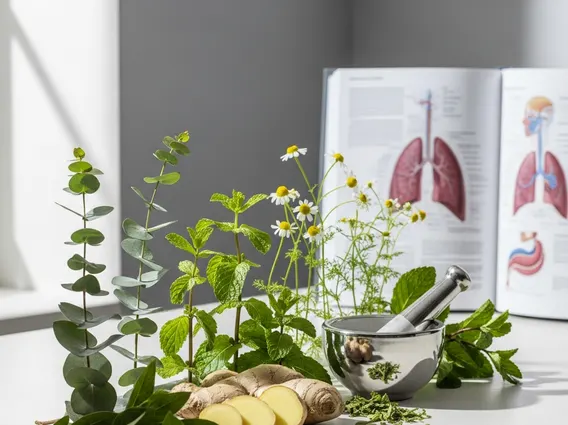
Among the most frequently utilized herbal remedies for shortness of breath are ginger, eucalyptus, and peppermint. Ginger, known for its anti-inflammatory properties, can help reduce inflammation in the airways, potentially easing breathing. Eucalyptus oil, when diffused or used in steam inhalation, can help clear nasal passages and bronchi due to its decongestant qualities. Peppermint, containing menthol, acts as a natural expectorant and can help relax the muscles of the respiratory tract, making it easier to breathe. These botanical aids offer promising avenues for those wondering how to ease shortness of breath naturally.
Beyond herbs, other natural substances have shown potential. Honey, for instance, is a well-known demulcent that can soothe irritated throats and reduce coughing, which sometimes accompanies breathlessness. Consuming warm liquids like herbal teas can also help thin mucus, making it easier to clear from the airways. While these remedies can provide comfort, their effectiveness can vary among individuals, and it’s always wise to observe how your body responds.
Home Remedies and Breathing Techniques for Relief
For those experiencing mild to moderate breathing difficulties, several practical home remedies for breathing difficulty and specific breathing techniques can offer immediate relief. These methods are often simple to implement and can be integrated into daily routines to manage symptoms and improve respiratory efficiency. The goal is to optimize lung function and reduce the effort required for breathing, thereby providing significant comfort.
One of the most effective strategies involves mastering specific breathing exercises. These techniques are designed to strengthen respiratory muscles, improve oxygen intake, and promote relaxation, which can be particularly helpful during episodes of breathlessness. Regular practice can lead to long-term improvements in respiratory capacity and a reduction in the frequency and severity of dyspnea. According to the American Lung Association, incorporating breathing exercises can significantly improve lung function and quality of life for individuals with chronic lung conditions.
Specific Breathing Exercises
Learning and consistently practicing targeted breathing exercises can be one of the best natural treatments for dyspnea. These techniques focus on controlled inhalation and exhalation, helping to make each breath more efficient and less strenuous. They are particularly beneficial for individuals whose shortness of breath is exacerbated by anxiety or panic.
- Pursed-Lip Breathing: This technique helps keep airways open longer, allowing more air to flow in and out of the lungs. Inhale slowly through your nose for two counts, then purse your lips as if to whistle and exhale slowly through your pursed lips for four counts. This method helps to slow down your breathing and make it more effective.
- Diaphragmatic (Belly) Breathing: Focusing on using the diaphragm, a powerful muscle located just below the lungs, can significantly improve lung efficiency. Lie on your back with one hand on your chest and the other on your belly. Inhale slowly through your nose, feeling your belly rise. Exhale slowly through pursed lips, feeling your belly fall. This technique maximizes air exchange and reduces the work of breathing.
- Controlled Breathing: Simply focusing on slowing down your breathing can be immensely helpful. Inhale for a count of three, hold for a count of one, and exhale for a count of three. This rhythmic approach can calm the nervous system and alleviate feelings of breathlessness.
Other Home Comforts
Beyond structured exercises, several other simple home comforts can contribute to natural ways to relieve breathlessness. These often involve environmental adjustments or minor behavioral changes that create a more conducive atmosphere for easier breathing. Sometimes, just a slight shift in posture or environment can make a noticeable difference in perceived breathlessness.
For instance, sitting in a forward-leaning position can help open up the chest cavity and make breathing easier. Leaning forward slightly while sitting, with hands resting on knees or a table, can provide support and reduce the effort of breathing. Similarly, using a fan to blow cool air across the face can create a sensation of easier breathing, as the cool air stimulates nerve endings in the face, which can reduce the perception of dyspnea. Ensuring adequate hydration by drinking plenty of water throughout the day also helps keep mucus thin and easier to clear, preventing airway obstruction.
Lifestyle Changes to Ease Breathlessness Naturally
Adopting certain lifestyle modifications can play a significant role in managing and preventing episodes of shortness of breath. These changes are not quick fixes but rather long-term strategies that promote overall respiratory health and can be considered among the best natural treatments for dyspnea. By addressing underlying factors that contribute to breathing difficulties, individuals can experience sustained improvement in their quality of life.
Regular physical activity, tailored to individual capacity, is paramount. While it might seem counterintuitive to exercise when experiencing breathlessness, consistent, moderate activity strengthens the heart and lungs, improving their efficiency over time. Activities like walking, swimming, or cycling, performed regularly, can enhance cardiovascular fitness and lung capacity, making everyday tasks less strenuous. It’s crucial to start slowly and gradually increase intensity, always listening to your body and consulting with a doctor or physical therapist to design a safe and effective exercise regimen.
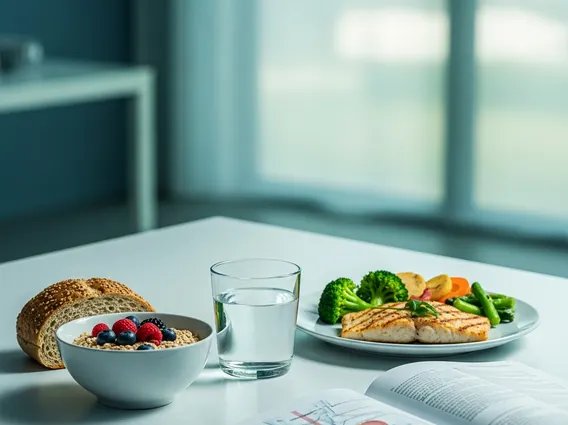
Diet and hydration also play a critical role. A balanced diet rich in fruits, vegetables, and whole grains provides essential nutrients and antioxidants that support lung health and reduce inflammation. Avoiding processed foods, excessive sugar, and unhealthy fats can also contribute to better respiratory function. Adequate hydration is vital for keeping mucus thin and preventing airway irritation. Furthermore, maintaining a healthy weight reduces the burden on the respiratory system, as excess weight can restrict lung expansion and increase the work of breathing. Avoiding environmental triggers such as smoke, allergens, and air pollution is equally important for protecting delicate lung tissues.
When to Seek Medical Attention for Dyspnea
While natural remedies for shortness of breath and lifestyle adjustments can be beneficial for managing mild symptoms, it is absolutely critical to recognize when breathlessness signals a serious underlying medical condition requiring professional intervention. Shortness of breath can be a symptom of various conditions, ranging from asthma and allergies to more severe issues like heart disease, lung disease, or even a pulmonary embolism. The World Health Organization (WHO) highlights chronic respiratory diseases as a leading cause of morbidity and mortality globally, with breathlessness being a common and often debilitating symptom.
You should seek immediate medical attention if you experience sudden, severe shortness of breath, especially if it’s accompanied by chest pain, dizziness, fainting, nausea, or a bluish tint to your lips or fingernails. These symptoms could indicate a medical emergency. Additionally, if your shortness of breath worsens over time, interferes with your daily activities, or occurs at rest, it’s essential to consult a doctor promptly. A healthcare professional can accurately diagnose the cause of your dyspnea and recommend appropriate treatment, which may include medication, oxygen therapy, or other interventions.
Do not rely solely on natural remedies for persistent or severe breathing difficulties. They are intended to complement, not replace, conventional medical care. Regular check-ups and open communication with your doctor about any breathing concerns are vital for maintaining optimal respiratory health and ensuring timely management of any underlying conditions.
Disclaimer: The information provided in this article is for educational purposes only and is not intended as a substitute for professional medical advice, diagnosis, or treatment. Always seek the advice of your physician or other qualified health provider with any questions you may have regarding a medical condition.
Frequently Asked Questions About Shortness of Breath
What are the quickest natural ways to relieve breathlessness?
For immediate, mild relief, several natural methods can be effective. Practicing pursed-lip breathing or diaphragmatic breathing can help regulate airflow and reduce the sensation of breathlessness. Sitting in a comfortable, forward-leaning position can also open airways. Additionally, inhaling steam infused with eucalyptus or peppermint oil can help clear congestion, and drinking warm ginger tea may soothe the respiratory tract. These approaches focus on calming the body and optimizing breathing mechanics in the short term.
Can diet impact shortness of breath?
Yes, diet plays a significant role in respiratory health. A balanced diet rich in antioxidants from fruits and vegetables can reduce inflammation and support lung function. Foods high in omega-3 fatty acids, found in fish and flaxseed, also have anti-inflammatory benefits. Conversely, a diet high in processed foods, unhealthy fats, and excessive sodium can contribute to inflammation and fluid retention, potentially exacerbating breathing difficulties. Maintaining a healthy weight through diet also reduces the physical burden on the lungs and heart.
Are there any specific herbal remedies for shortness of breath that are widely recognized?
Several herbal remedies are traditionally recognized for their potential to alleviate respiratory discomfort. Ginger is valued for its anti-inflammatory properties, which can help soothe irritated airways. Peppermint, with its menthol content, acts as a decongestant and muscle relaxant, potentially easing breathing. Eucalyptus is often used in steam inhalations to clear nasal passages and bronchi. While these herbs can provide symptomatic relief, their use should be discussed with a healthcare provider, especially if you have underlying health conditions or are taking other medications.