Natural Remedies for Flu-Like Signs & Symptoms
When flu-like signs and symptoms emerge, many individuals seek comfort and relief through natural approaches. While conventional medicine offers effective treatments and preventative measures, understanding how to support your body’s healing process with natural remedies can be a valuable complement to your wellness strategy.
Key Takeaways
- Hydration and Rest are Fundamental: Adequate fluid intake and sufficient rest are paramount for recovery from flu-like symptoms.
- Herbal Support: Certain herbs like elderberry, echinacea, and ginger are traditionally used to alleviate symptoms and support immune function.
- Nutritional Boost: Incorporating nutrient-dense foods, especially those rich in Vitamin C and zinc, can aid the body’s natural defenses.
- Holistic Approach: Managing stress, practicing good hygiene, and using steam inhalation contribute to overall well-being and symptom relief.
- Know When to Seek Medical Care: Natural remedies are supportive; severe or worsening symptoms, or those in high-risk groups, should prompt a doctor’s visit.
Natural Remedies for Flu Like Symptoms
Addressing Natural Remedies for Flu Like Symptoms often begins with foundational self-care practices that support the body’s innate healing mechanisms. When feeling unwell with symptoms such as fever, body aches, sore throat, and fatigue, prioritizing rest is crucial. Adequate sleep allows the immune system to conserve energy and focus on fighting off infection, making it one of the most effective yet often overlooked remedies.
Alongside rest, maintaining optimal hydration is paramount. Flu-like illnesses can lead to fluid loss through fever, sweating, and reduced appetite. Consuming plenty of fluids like water, herbal teas, broths, and electrolyte-rich beverages helps prevent dehydration, thins mucus, and soothes a sore throat. This simple yet vital step is a cornerstone of any strategy to alleviate discomfort and support recovery. The Centers for Disease Control and Prevention (CDC) consistently emphasizes the importance of rest and hydration for managing flu symptoms at home.
Beyond these basics, several natural approaches can offer relief. Many people turn to vitamins and minerals known for their immune-supporting roles. For instance, Vitamin C, found abundantly in citrus fruits, bell peppers, and leafy greens, is a powerful antioxidant that can help bolster immune function. Zinc, present in foods like nuts, seeds, and legumes, has also been studied for its potential to reduce the duration and severity of cold and flu symptoms when taken early.
Herbal and Dietary Support for Flu Relief
Exploring herbal treatments for flu and specific dietary choices can significantly contribute to managing symptoms and supporting recovery. Many herbs possess properties that can help soothe discomfort, reduce inflammation, and even offer antiviral or immune-modulating effects. Integrating these into your routine can provide valuable home remedies for flu symptoms, working in conjunction with rest and hydration.
Dietary strategies also play a crucial role in providing the body with the necessary nutrients to fight off illness. Nutrient-dense foods can help replenish energy stores and supply essential vitamins and minerals that support immune health. Avoiding processed foods, excessive sugar, and unhealthy fats can help reduce inflammation and allow the immune system to function more efficiently.
Key Herbal Treatments
Several herbs have been traditionally used and studied for their potential benefits in alleviating flu symptoms. While scientific research on their efficacy varies, many individuals find them helpful for symptom relief. It is always advisable to consult with a healthcare professional before starting any new herbal regimen, especially if you have underlying health conditions or are taking other medications.
| Herb | Traditional Use / Potential Benefit | Key Compounds / Mechanism |
|---|---|---|
| Elderberry (Sambucus nigra) | May reduce duration and severity of flu symptoms; immune support. | Anthocyanins (antioxidant, anti-inflammatory), flavonoids. |
| Echinacea (Echinacea purpurea) | Immune-boosting; may help prevent or shorten duration of colds/flu. | Alkamides, caffeic acid derivatives (immune modulators). |
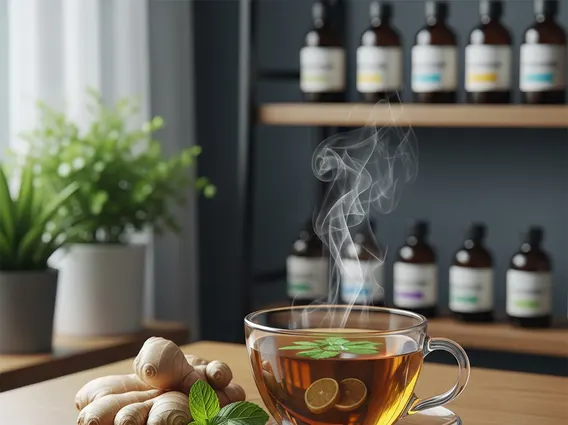
| Ginger (Zingiber officinale) | Anti-nausea, anti-inflammatory; soothes sore throat. | Gingerols, shogaols (anti-inflammatory, antiemetic). |
| Peppermint (Mentha piperita) | Relieves congestion, headaches; soothes digestive upset. | Menthol (decongestant, analgesic). |
| Garlic (Allium sativum) | Immune-enhancing; antimicrobial properties. | Allicin (sulfur compound with immune benefits). |
Nutritional Support
Beyond specific herbs, certain foods and dietary practices are considered among the best natural flu relief options. Warm broths, such as chicken soup, are a classic remedy, providing hydration, electrolytes, and easily digestible nutrients. The warmth can also help clear nasal passages and soothe a sore throat. Honey is another excellent natural remedy, particularly for coughs and sore throats, due to its demulcent properties and potential antimicrobial effects.
Incorporating foods rich in antioxidants and vitamins is also vital. Citrus fruits, berries, and dark leafy greens are packed with Vitamin C, which is crucial for immune cell function. Zinc-rich foods like pumpkin seeds, lentils, and lean meats can also support immune responses. Maintaining a balanced diet, even when appetite is low, ensures your body has the fuel it needs to recover.
Holistic Strategies to Fight Flu Naturally
Adopting holistic flu remedies involves looking beyond individual symptoms to support the entire body’s ability to heal and strengthen its defenses. These strategies encompass lifestyle choices and environmental adjustments that create an optimal recovery environment, helping you understand how to treat flu naturally and effectively. The goal is to empower the body’s natural resilience against illness.
One key holistic strategy is ensuring adequate sleep and managing stress. Chronic stress can suppress the immune system, making you more susceptible to illness and prolonging recovery. Practices like meditation, deep breathing exercises, or gentle yoga can help reduce stress levels. Creating a peaceful, dark, and cool sleeping environment can significantly improve sleep quality, which is essential for immune function.
Maintaining proper hygiene is another simple yet powerful holistic approach. Frequent handwashing, especially after coughing or sneezing, helps prevent the spread of viruses. Regularly cleaning frequently touched surfaces can also reduce viral load in your environment. Additionally, using humidifiers can help moisten dry nasal passages and throats, providing relief from congestion and coughs, making them effective natural ways to fight flu symptoms.
Other supportive measures include:
- Steam Inhalation: Inhaling steam from a bowl of hot water (optionally with a few drops of eucalyptus or peppermint essential oil) can help clear nasal passages and relieve chest congestion.
- Warm Baths or Showers: The steam and warmth can help relax muscles, reduce body aches, and ease congestion.
- Gargling with Saltwater: A simple saline gargle can help soothe a sore throat and reduce inflammation.
- Staying Warm: Keeping your body warm helps conserve energy and can be comforting, especially if you have chills.
These combined approaches create a comprehensive strategy for supporting your body during a flu-like illness, focusing on comfort, immune support, and overall well-being.
When to Seek Medical Attention
While natural flu remedies can provide significant comfort and support during a mild illness, it is crucial to recognize when symptoms warrant professional medical attention. Natural approaches are complementary and should not replace medical diagnosis or treatment, especially for individuals at higher risk of complications. According to the World Health Organization (WHO), seasonal influenza can lead to severe illness and even death, particularly in vulnerable populations.
Certain warning signs indicate that you should contact a doctor immediately. These symptoms suggest a more severe infection or potential complications that require medical evaluation and possibly prescription medication. Delaying medical care in such instances can lead to serious health consequences.
You should seek immediate medical attention if you experience any of the following:
- Difficulty breathing or shortness of breath
- Persistent pain or pressure in the chest or abdomen
- Sudden dizziness or confusion
- Severe or persistent vomiting
- Flu-like symptoms that improve but then return with fever and worse cough
- Seizures
- Lack of interaction or extreme irritability in children
- Bluish lips or face
- Any worsening of chronic medical conditions
Individuals at high risk for flu complications, including young children, adults 65 years and older, pregnant women, and people with certain chronic medical conditions (such as asthma, diabetes, or heart disease), should consult a doctor at the first sign of flu-like symptoms. Early medical intervention, including antiviral medications, can be critical in preventing severe outcomes in these groups.
Frequently Asked Questions
How quickly can natural remedies alleviate flu symptoms?
The speed at which natural remedies alleviate flu symptoms can vary widely depending on the individual, the severity of the illness, and the specific remedy used. While some remedies like honey for a cough or steam for congestion might offer immediate, temporary relief, a full recovery often takes several days. Consistent application of remedies, combined with ample rest and hydration, is key to supporting the body’s healing process over time. It’s important to manage expectations and understand that natural remedies primarily aim to support the body and ease discomfort, not to provide an instant cure.
Are natural flu remedies safe for everyone, including children and pregnant women?
While many natural remedies are generally considered safe for healthy adults, their suitability for children, pregnant women, breastfeeding mothers, or individuals with underlying health conditions can differ. For instance, some essential oils or herbal supplements may not be recommended during pregnancy or for very young children. Always consult a pediatrician or an obstetrician before administering any natural remedies to children or using them during pregnancy or breastfeeding. This ensures the chosen remedies are appropriate and safe for these vulnerable populations, avoiding potential risks or adverse interactions.
Can natural remedies prevent the flu?
Natural remedies are primarily used to alleviate symptoms and support the immune system once flu-like signs appear, rather than to prevent the flu entirely. While a healthy lifestyle, including a balanced diet, regular exercise, adequate sleep, and stress management, can bolster overall immune function and potentially reduce susceptibility to illness, no natural remedy can offer guaranteed prevention comparable to a flu vaccine. The flu shot remains the most effective method for preventing influenza and its severe complications, as recommended by public health organizations like the CDC.
Disclaimer: The information provided in this article is for educational purposes only and is not intended as a substitute for professional medical advice, diagnosis, or treatment. Always seek the advice of your physician or other qualified health provider with any questions you may have regarding a medical condition. Never disregard professional medical advice or delay in seeking it because of something you have read here.