Meninges
The Meninges are a vital system of protective membranes that envelop the brain and spinal cord, forming a crucial barrier for the central nervous system. These layers safeguard against physical trauma and provide a stable environment for neural function.
Key Takeaways
- The Meninges are three distinct layers of membranes that protect the brain and spinal cord.
- These layers include the dura mater, arachnoid mater, and pia mater, each with specific roles.
- Their primary function is to provide physical protection, structural support, and facilitate cerebrospinal fluid circulation.
- Cerebrospinal fluid (CSF) within the meningeal layers cushions the central nervous system against impacts.
- Understanding the Meninges is crucial for comprehending the overall health and vulnerability of the brain and spinal cord.
What are Meninges?
Meninges refers to the three protective membranes that surround the brain and spinal cord, collectively known as the central nervous system (CNS). These layers serve as a critical defense mechanism, shielding delicate neural tissue from mechanical shock and trauma, while also providing a framework for blood vessels and the circulation of cerebrospinal fluid (CSF). The primary meninges definition and purpose is to create a robust protective barrier and maintain a stable internal environment essential for optimal brain and spinal cord function, ensuring the proper functioning of neural pathways and cognitive processes.
Beyond physical protection, the Meninges play a significant role in supporting the brain’s structure and facilitating the flow of cerebrospinal fluid. This fluid acts as a shock absorber, distributing pressure evenly and removing metabolic waste products from the CNS. According to the World Health Organization (WHO), conditions affecting the Meninges, such as meningitis, can have severe neurological consequences, highlighting their importance in overall health.
Layers of the Meninges: Anatomy and Function
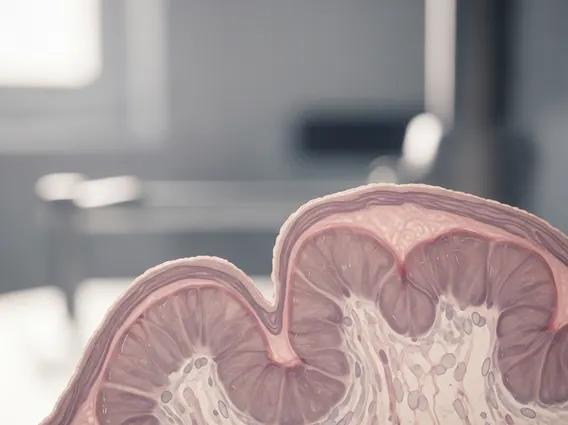
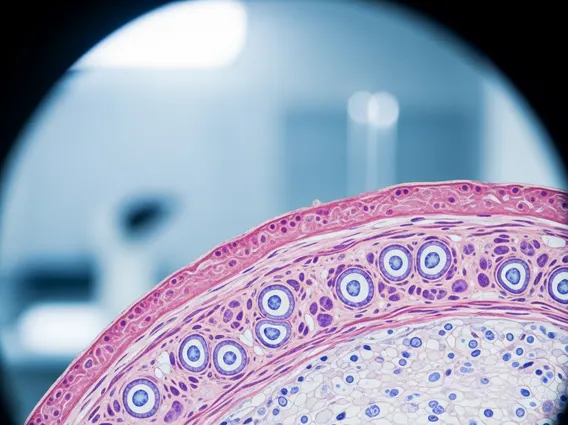
The Meninges are composed of three distinct layers, each with specific anatomical features and functions that contribute to the overall protection and support of the central nervous system. Understanding the meninges function and anatomy involves examining these layers from outermost to innermost.
The layers of the meninges explained are:
- Dura Mater: This is the outermost, thickest, and toughest layer, meaning “tough mother.” It is a strong, fibrous membrane that closely adheres to the inner surface of the skull and vertebral canal. Its primary function is to provide robust protection and support for the brain and spinal cord, preventing excessive movement within the cranial cavity and vertebral column. It also contains dural venous sinuses, which collect deoxygenated blood from the brain.
- Arachnoid Mater: Lying beneath the dura mater, the arachnoid mater is a delicate, web-like, avascular membrane. It gets its name from its spiderweb-like appearance, with fine filaments extending down to the pia mater. The space between the arachnoid and pia mater, known as the subarachnoid space, is crucial as it contains cerebrospinal fluid (CSF), which bathes and cushions the brain and spinal cord.
- Pia Mater: The innermost layer, the pia mater, meaning “tender mother,” is a thin, delicate, and highly vascular membrane that intimately adheres to the surface of the brain and spinal cord, following every gyrus and sulcus. Its rich blood supply nourishes the underlying neural tissue, and it helps to anchor the brain and spinal cord within the protective meningeal layers.
These three layers work in concert to form a comprehensive protective system. The dura mater provides structural integrity, the arachnoid mater facilitates CSF circulation and cushioning, and the pia mater offers direct nourishment and support to the neural tissue. Disruptions to any of these layers, whether due to infection, inflammation, or trauma, can compromise the central nervous system’s health and function, leading to serious neurological conditions that underscore their critical role in human physiology.