Medical Treatments for Urinary and Bladder Problems
Urinary and bladder problems are common conditions that can significantly impact an individual’s quality of life. Ranging from minor irritations to severe chronic pain, these issues necessitate effective medical interventions. Fortunately, a wide array of medical treatments for urinary and bladder problems are available, offering relief and improved well-being for those affected.
Key Takeaways
- Accurate diagnosis is the foundation for effective management of urinary and bladder conditions.
- Treatment options span lifestyle modifications, various medications, and advanced interventional therapies.
- Specific conditions like overactive bladder, incontinence, bladder pain, and infections have tailored medical solutions.
- Consulting a healthcare professional is crucial for personalized care and to determine the most appropriate treatment plan.
- Ongoing research continues to expand the range of available and effective medical solutions for these prevalent issues.
Overview of Urinary and Bladder Conditions
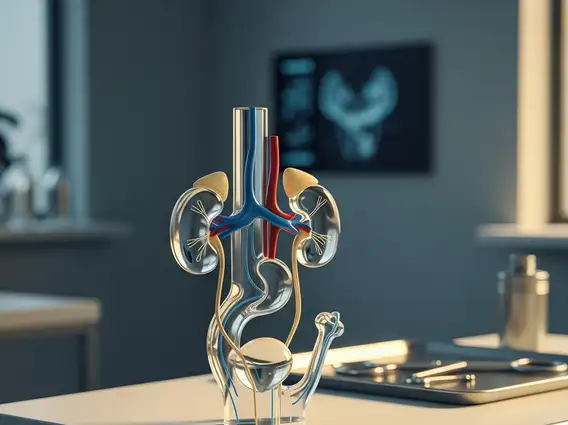
Urinary and bladder conditions encompass a broad spectrum of disorders affecting the urinary tract, including the kidneys, ureters, bladder, and urethra. These conditions can manifest in various ways, from bothersome symptoms like frequent urination and urgency to more severe issues such as chronic pain or recurrent infections. Common conditions include overactive bladder (OAB), urinary incontinence, urinary tract infections (UTIs), and interstitial cystitis (IC), also known as bladder pain syndrome.
The prevalence of these conditions is substantial. For instance, according to the National Association for Continence (NAFC), over 33 million Americans experience overactive bladder, highlighting the widespread need for effective bladder issues medical solutions. Diagnosis typically involves a thorough medical history, physical examination, urinalysis, and sometimes more specialized tests like urodynamic studies or cystoscopy, which help pinpoint the underlying cause and guide treatment.
Medical Treatments for Urinary and Bladder Problems
A comprehensive approach to medical treatments for urinary and bladder problems often begins with conservative measures and progresses to more targeted interventions as needed. Initial steps may include lifestyle modifications such as dietary changes, fluid management, and bladder training exercises. When these are insufficient, pharmacological treatments become a cornerstone of care, addressing symptoms and underlying causes.
Medications play a crucial role in managing many urinary conditions. For example, anticholinergics and beta-3 agonists are commonly prescribed for overactive bladder, while antibiotics are the primary treatment for bacterial urinary tract infections. Beyond oral medications, other interventions include bladder instillations for certain pain conditions, nerve stimulation therapies, and in some cases, surgical procedures. The choice of treatment depends heavily on the specific diagnosis, symptom severity, and individual patient factors.
Targeted Therapies for Overactive Bladder and Incontinence
Overactive bladder (OAB) and urinary incontinence are two of the most common and distressing urinary conditions, significantly impacting daily life. Fortunately, a range of targeted therapies provides effective treatments for frequent urination and involuntary urine leakage. These therapies aim to restore bladder control and improve comfort.
Understanding the specific type of incontinence, such as stress incontinence (leakage with physical activity), urge incontinence (leakage with a sudden, strong urge), or mixed incontinence, is vital for selecting the most appropriate intervention. Treatment often involves a multi-modal strategy, combining behavioral therapies with pharmacological or procedural approaches to achieve optimal outcomes.
Pharmacological Approaches for Overactive Bladder
Medications for overactive bladder are designed to relax the bladder muscle or increase its capacity, thereby reducing urgency, frequency, and episodes of urge incontinence. The two main classes of drugs are anticholinergics and beta-3 agonists.
- Anticholinergics: Medications like oxybutynin, tolterodine, solifenacin, and darifenacin work by blocking nerve signals that trigger involuntary bladder contractions. They help to calm an overactive bladder, reducing the sensation of urgency and the frequency of urination. Common side effects can include dry mouth, constipation, and blurred vision.
- Beta-3 Agonists: Drugs such as mirabegron and vibegron relax the detrusor muscle of the bladder by activating beta-3 adrenergic receptors. This allows the bladder to hold more urine and reduces the frequency of contractions, often with fewer side effects than anticholinergics, particularly regarding dry mouth.
These medications are often initiated after lifestyle modifications and bladder training have been attempted, providing significant relief for many patients suffering from OAB symptoms.
Addressing Urinary Incontinence
The causes and treatments of urinary incontinence vary widely depending on the type. Stress urinary incontinence, often caused by weakened pelvic floor muscles, can be managed with pelvic floor muscle training (Kegel exercises), which strengthens the muscles supporting the bladder and urethra. For more severe cases, minimally invasive procedures like urethral bulking agents or surgical options such as mid-urethral slings can provide long-term relief by supporting the urethra and preventing leakage.
Urge urinary incontinence, frequently associated with overactive bladder, is often treated with the medications mentioned above (anticholinergics or beta-3 agonists). Other advanced therapies include sacral neuromodulation, which involves implanting a device to stimulate nerves controlling bladder function, and onabotulinumtoxinA (Botox) injections into the bladder muscle to reduce overactivity. According to the National Institute of Diabetes and Digestive and Kidney Diseases (NIDDK), urinary incontinence affects millions of Americans, with women experiencing it twice as often as men, underscoring the importance of these diverse treatment options.
Managing Bladder Pain and Infections
Bladder pain and infections represent another significant category of urinary problems, each requiring distinct medical approaches for effective management. Conditions like interstitial cystitis (IC) present chronic pain challenges, while urinary tract infections (UTIs) are acute bacterial invasions that demand prompt treatment to prevent complications.
Effective management of these conditions not only alleviates discomfort but also prevents potential long-term damage to the urinary system. A thorough diagnostic process is essential to differentiate between various causes of bladder pain and to identify the specific pathogen responsible for an infection.
Medical Help for Bladder Pain
Chronic bladder pain, often associated with interstitial cystitis (IC) or bladder pain syndrome, can be debilitating. Providing medical help for bladder pain is complex due to its often elusive cause and varied symptoms. Treatment typically involves a multi-faceted approach aimed at symptom relief and improving quality of life.
Oral medications for IC include pentosan polysulfate sodium (Elmiron), which is believed to help restore the damaged bladder lining. Other oral medications, such as antihistamines, tricyclic antidepressants, and pain relievers, may also be prescribed to manage symptoms. Bladder instillations, where medication is delivered directly into the bladder via a catheter, are another common treatment. These instillations can include a cocktail of medications like lidocaine, heparin, and bicarbonate. Physical therapy, dietary modifications, and stress management techniques are also crucial supportive therapies.
Best Treatments for Urinary Tract Infections
Urinary tract infections (UTIs) are among the most common bacterial infections, affecting approximately 150 million people worldwide each year, as estimated by the World Health Organization (WHO). The best treatments for urinary tract infections primarily involve antibiotics, which target and eliminate the bacteria causing the infection. The specific antibiotic and duration of treatment depend on the type of bacteria identified, the severity of the infection, and whether it is a recurrent UTI.
Commonly prescribed antibiotics include trimethoprim/sulfamethoxazole, nitrofurantoin, and fluoroquinolones. For uncomplicated UTIs, a short course of antibiotics (3-7 days) is often sufficient. In cases of recurrent UTIs, a healthcare provider might recommend a longer course of low-dose antibiotics, post-coital dosing, or non-antibiotic preventive strategies such as increased fluid intake, cranberry supplements, or vaginal estrogen therapy for postmenopausal women. Prompt treatment is vital to prevent the infection from spreading to the kidneys, which can lead to more serious health complications.
Frequently Asked Questions
What are the first steps if I suspect a urinary problem?
If you suspect a urinary problem, the first step is to consult a healthcare professional, such as a general practitioner or a urologist. They will conduct a thorough evaluation, including reviewing your medical history, performing a physical examination, and ordering diagnostic tests like a urinalysis. It’s helpful to keep a symptom diary detailing frequency, urgency, pain, and any leakage episodes to provide comprehensive information. Early diagnosis is crucial for effective management and to prevent potential complications from worsening.
Can lifestyle changes really help with bladder issues?
Yes, lifestyle changes can significantly help manage many bladder issues, often serving as a first-line treatment. These can include modifying fluid intake, avoiding bladder irritants like caffeine and acidic foods, maintaining a healthy weight, and practicing timed voiding or bladder training. Pelvic floor exercises, such as Kegels, are also highly effective for strengthening muscles that support bladder control. While not always sufficient on their own, these changes can greatly reduce symptoms and improve the effectiveness of other medical treatments.
Are there non-pharmacological treatments for overactive bladder?
Absolutely. Beyond medications, several non-pharmacological treatments are effective for overactive bladder. Behavioral therapies are often recommended first, including bladder training, which involves gradually increasing the time between urination, and timed voiding. Pelvic floor muscle training (Kegel exercises) can strengthen the muscles that help control urination. Additionally, sacral neuromodulation and percutaneous tibial nerve stimulation (PTNS) are advanced non-pharmacological options that use mild electrical impulses to modulate nerve activity, offering relief for those who don’t respond to other treatments.
Disclaimer: The information provided in this article is for educational purposes only and is not intended to be a substitute for professional medical advice, diagnosis, or treatment. Always seek the advice of your physician or other qualified health provider with any questions you may have regarding a medical condition.