Low-Sodium Cooking Tips for Cancer Patients
Navigating a cancer diagnosis often involves significant dietary adjustments to support treatment and overall well-being. Among these, managing sodium intake is crucial for many, as it can impact various aspects of health during this challenging time. This article provides practical guidance and low sodium cooking cancer tips to help patients and caregivers prepare delicious, healthy meals.
Key Takeaways
- High sodium intake can exacerbate treatment side effects like fluid retention and high blood pressure.
- Prioritize fresh ingredients and learn to identify hidden sodium in processed foods.
- Master the use of herbs, spices, and acidic ingredients to create flavorful low sodium cancer recipes without relying on salt.
- Smart shopping involves decoding food labels and stocking a pantry with low-sodium staples.
- Adapting favorite recipes and exploring new healthy low sodium meals cancer can make dietary changes enjoyable.
Understanding Sodium Restriction in Cancer Care
For individuals undergoing cancer treatment, a sodium restriction cancer diet is often recommended to mitigate certain side effects and support overall health. High sodium intake can contribute to issues such as fluid retention (edema), which can be uncomfortable and may worsen during chemotherapy or radiation. It can also elevate blood pressure, putting additional strain on the cardiovascular system, which is particularly important for patients whose bodies are already under stress from treatment.
The World Health Organization (WHO) recommends that adults consume less than 2 grams of sodium per day (equivalent to 5 grams of salt) to reduce the risk of heart disease and stroke. For cancer patients, this recommendation can be even more critical, as their bodies may be more sensitive to sodium’s effects. Therefore, managing sodium intake cancer treatment becomes a vital component of supportive care, aiming to enhance comfort and improve treatment tolerance.
Health Impact of High Sodium
Excessive sodium consumption can lead to several health complications that are particularly concerning for cancer patients. Fluid retention, or edema, is a common issue, manifesting as swelling in the hands, feet, and ankles, which can be uncomfortable and restrict mobility. High sodium levels can also contribute to hypertension (high blood pressure), a condition that can strain the heart and kidneys, organs already potentially impacted by cancer treatments. Moreover, some medications used in cancer care can interact with sodium levels, making careful management even more important. Adhering to a sodium restriction cancer diet helps alleviate these burdens, promoting better physical comfort and supporting vital organ function throughout the treatment journey.
Common Hidden Sodium Sources
Sodium often lurks in unexpected places, making managing sodium intake cancer treatment a challenge without awareness. Processed foods are notorious culprits; items like canned soups, frozen meals, cured meats (bacon, deli slices), and packaged snacks often contain high levels of sodium for preservation and flavor. Even seemingly innocuous items such as bread, breakfast cereals, and condiments like ketchup, mustard, and salad dressings can contribute significantly to daily sodium intake. Restaurant and fast-food meals are also major sources, as chefs often use generous amounts of salt during preparation. Learning to identify these hidden sources is the first step toward effective sodium reduction, empowering patients to make informed choices about their diet.
Mastering Low Sodium Cooking for Cancer Patients
Embracing low sodium cooking for cancer patients doesn’t mean sacrificing flavor. Instead, it’s an opportunity to explore a vibrant world of natural ingredients and innovative cooking techniques. The key lies in shifting focus from salt as the primary flavor enhancer to a diverse palette of herbs, spices, acids, and aromatics. This approach not only helps in creating delicious meals but also ensures that patients receive vital nutrients without the adverse effects of excessive sodium. With a few simple adjustments and a willingness to experiment, preparing healthy low sodium meals cancer can become an enjoyable and rewarding part of the healing process.
Boosting Flavor with Herbs & Spices
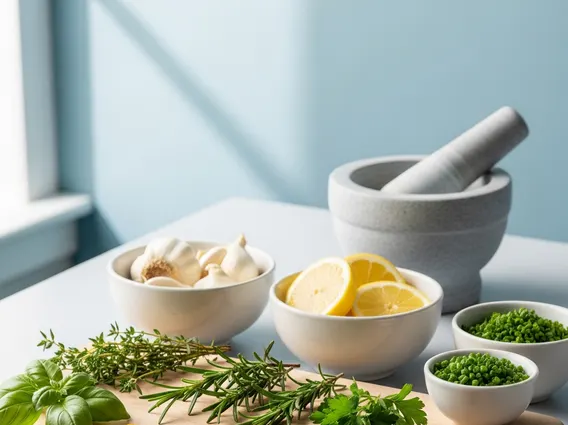
One of the most effective tips for low sodium cooking cancer is to harness the power of herbs and spices. These natural flavor enhancers can transform a dish, adding depth, warmth, and zest without a single grain of salt. Fresh herbs like parsley, cilantro, basil, dill, and chives offer bright, aromatic notes. Dried spices such as garlic powder, onion powder, paprika, cumin, coriander, turmeric, and ginger provide robust flavors. Citrus juices (lemon, lime, orange) and vinegars (apple cider, balsamic, red wine) add a tangy brightness that can mimic the perception of saltiness. Experiment with different combinations to discover new favorites and create truly flavorful low sodium cancer recipes.
Consider these combinations for various dishes:
- Italian: Oregano, basil, thyme, garlic powder, onion powder.
- Mexican: Cumin, chili powder, coriander, smoked paprika, lime juice.
- Indian: Turmeric, ginger, garam masala, cumin, cilantro.
- Mediterranean: Rosemary, oregano, lemon zest, garlic, black pepper.
Smart Substitutions for Salt
Beyond herbs and spices, several ingredients can serve as smart substitutes for salt, enriching the taste of your meals without increasing sodium content. Nutritional yeast, for instance, offers a cheesy, umami flavor that works well in sauces, soups, and sprinkled over vegetables. Umami-rich foods like mushrooms (especially dried shiitake), sun-dried tomatoes, and tomato paste can add a savory depth. Aromatic vegetables such as garlic, onions, leeks, and celery (in moderation for sodium content) form a flavorful base for many dishes. Furthermore, using homemade broths made without added salt provides a clean foundation for soups and stews. These substitutions are key to developing flavorful low sodium cancer recipes that satisfy the palate.
| Salt Alternative | Flavor Profile | Best Uses |
|---|---|---|
| Nutritional Yeast | Cheesy, umami | Sauces, popcorn, roasted vegetables, “cheese” dips |
| Lemon/Lime Juice | Bright, tangy, acidic | Fish, chicken, salads, vegetables, soups |
| Vinegar (e.g., Balsamic, Apple Cider) | Tangy, sweet, acidic | Salad dressings, marinades, glazes, deglazing pans |
| Garlic/Onion Powder | Pungent, savory | Almost any savory dish, rubs for meats |
| Salt-Free Herb Blends | Varies by blend | Seasoning meats, vegetables, soups, stews |
Flavorful Low-Sodium Recipes for Cancer Patients
Creating low sodium recipes for cancer patients doesn’t have to be complicated or bland. The goal is to prepare nourishing and appealing meals that support health and well-being during treatment. By focusing on fresh, whole ingredients and utilizing the flavor-boosting techniques discussed, you can enjoy a wide variety of delicious dishes. From quick weeknight dinners to comforting family favorites, adapting your cooking style allows for both nutritional benefits and culinary satisfaction, making the dietary changes more sustainable and enjoyable.
Quick & Easy Meal Ideas
When energy levels might be low, having a repertoire of quick and easy healthy low sodium meals cancer is invaluable. Simple preparations that maximize flavor with minimal effort are ideal. Consider baked salmon or chicken breast seasoned generously with herbs and lemon, served alongside steamed green beans and quinoa. A vegetable stir-fry with plenty of fresh garlic, ginger, and a low-sodium soy sauce alternative (or coconut aminos) can be ready in minutes. Lentil soup, made with homemade or low-sodium broth and packed with vegetables and spices, offers a comforting and nutritious option. These meals are not only low in sodium but also rich in essential nutrients, providing vital support during treatment.
- Herb-Crusted Baked Fish: White fish (cod, tilapia) baked with a crust of fresh parsley, dill, lemon zest, and a drizzle of olive oil.
- Chicken and Veggie Skewers: Marinated chicken pieces and colorful vegetables grilled or baked with a salt-free seasoning blend.
- Quinoa Salad with Roasted Vegetables: Quinoa tossed with roasted broccoli, bell peppers, cherry tomatoes, and a lemon-herb vinaigrette.
- Black Bean Burgers (Homemade): Patties made from mashed black beans, oats, and spices, served on whole-wheat buns with fresh toppings.
Adapting Family Favorites
Many beloved family recipes can be easily adapted to be low-sodium without compromising their essence. The key is to reduce or eliminate added salt and replace it with other flavor enhancers. For instance, when making pasta sauce, opt for no-salt-added canned tomatoes and boost flavor with extra garlic, onion, basil, and oregano. For casseroles, use fresh ingredients, homemade broths, and salt-free seasoning blends instead of canned soups or processed ingredients. When baking, reduce the salt by half or omit it entirely in recipes where it’s not crucial for leavening. This approach allows families to continue enjoying comforting meals together while adhering to a cooking for cancer patients low salt diet, fostering a sense of normalcy and shared experience.
Smart Shopping for a Low-Sodium Cancer Diet
Successful low sodium cooking cancer begins at the grocery store. Making informed choices while shopping is paramount to maintaining a sodium-restricted diet. This involves not only selecting fresh, whole foods but also carefully scrutinizing packaged products. Understanding food labels and knowing which pantry staples to keep on hand can significantly simplify meal preparation and ensure consistent adherence to dietary guidelines. With a strategic approach to shopping, you can build a foundation for healthy low sodium meals cancer that are both delicious and beneficial for recovery.
Decoding Food Labels
Learning to decode food labels is a critical skill for anyone on a sodium restriction cancer diet. Always check the “Nutrition Facts” panel for the sodium content per serving. Look for products labeled “low sodium” (140 mg or less per serving), “very low sodium” (35 mg or less per serving), or “no salt added” / “unsalted.” Be wary of terms like “reduced sodium,” which only means 25% less than the original product, still potentially high. Also, scan the ingredient list for hidden sodium sources such as monosodium glutamate (MSG), sodium bicarbonate (baking soda), disodium phosphate, and sodium nitrate/nitrite. Prioritizing fresh produce, lean proteins, and whole grains, which naturally contain less sodium, is always the best strategy.
Essential Low-Sodium Pantry Staples
Stocking your pantry with essential low sodium cooking cancer staples makes meal preparation much easier and more efficient. Focus on items that are naturally low in sodium or specifically labeled as such. This includes a wide array of dried herbs and spices, various vinegars (apple cider, balsamic, red wine), and citrus fruits (lemons, limes) for acidity. Keep a good supply of no-salt-added canned tomatoes, tomato paste, and beans. Opt for low-sodium broths or make your own. Whole grains like quinoa, brown rice, and oats are excellent choices. Fresh fruits and vegetables, lean proteins (chicken, fish, eggs), and healthy fats (olive oil, avocado) should form the backbone of your diet. Having these items readily available empowers you to consistently create healthy low sodium meals cancer.
Key items to keep on hand:
- Fresh garlic, onions, ginger
- Dried herbs: oregano, basil, thyme, rosemary, dill
- Ground spices: cumin, coriander, paprika, turmeric, chili powder
- Vinegars: apple cider, balsamic, white wine, red wine
- Citrus: lemons, limes
- No-salt-added canned tomatoes (diced, crushed, paste)
- Low-sodium or no-salt-added broths/stocks
- Whole grains: quinoa, brown rice, oats, whole-wheat pasta
- Legumes: dried or no-salt-added canned beans and lentils
- Healthy oils: olive oil, avocado oil
Frequently Asked Questions
Why is sodium restriction important for cancer patients?
Sodium restriction is crucial for cancer patients to manage potential side effects of treatment, such as fluid retention (edema) and elevated blood pressure. Many cancer therapies can exacerbate these conditions, and a lower sodium intake helps reduce discomfort, minimize strain on the cardiovascular system, and support overall well-being. It contributes to a more comfortable recovery and can improve tolerance to ongoing medical treatments.
What are some easy ways to add flavor without salt?
To enhance flavor without salt, focus on natural ingredients. Utilize a wide variety of fresh and dried herbs like basil, oregano, thyme, and dill. Spices such as garlic powder, onion powder, paprika, and cumin add depth. Citrus juices (lemon, lime) and vinegars provide a bright, tangy kick. Aromatic vegetables like garlic, onions, and ginger form a flavorful base for many dishes. Experimenting with these can create delicious and satisfying flavorful low sodium cancer recipes.
How can I identify high-sodium foods when shopping?
To identify high-sodium foods, always check the “Nutrition Facts” label on packaged products. Look for the sodium content per serving. Opt for items labeled “low sodium” (140 mg or less per serving) or “no salt added.” Be cautious of terms like “reduced sodium,” as they may still contain significant amounts. Also, scan the ingredient list for hidden sodium sources like MSG, sodium bicarbonate, and various sodium compounds. Prioritize fresh, whole ingredients whenever possible.