Leukocyte
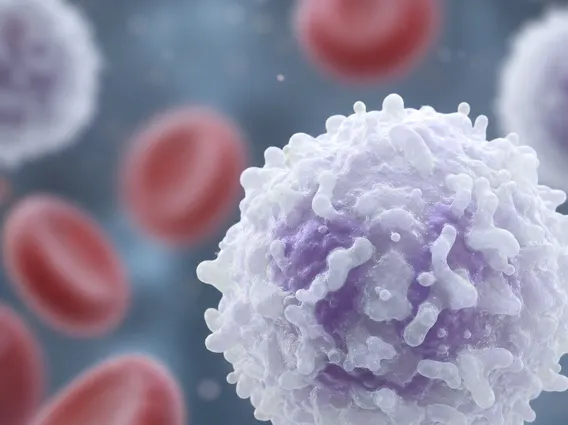
Leukocytes, commonly known as white blood cells, are vital components of the immune system, playing a critical role in defending the body against infections and foreign invaders. These specialized cells circulate throughout the bloodstream and lymphatic system, acting as the body’s primary line of defense.
Key Takeaways
- Leukocytes are white blood cells essential for the body’s immune defense.
- They originate in the bone marrow and are crucial for identifying and neutralizing pathogens.
- There are five main types of leukocytes, each with distinct functions in the immune response.
- Their collective action protects against infections, inflammation, and diseases.
- Monitoring leukocyte counts is important for diagnosing various health conditions.
What is a Leukocyte?
A Leukocyte refers to a type of blood cell that is part of the immune system, commonly known as a white blood cell (WBC). Unlike red blood cells, leukocytes lack hemoglobin and are not involved in oxygen transport. Their primary function is to protect the body from infectious diseases and foreign substances. These cells are produced in the bone marrow and are found in the blood, lymphatic system, and tissues, where they are ready to respond to threats.
Leukocytes are capable of moving through the walls of blood vessels to reach sites of infection or inflammation, a process called diapedesis. Their ability to identify, engulf, and destroy pathogens, or to coordinate specific immune responses, underscores their fundamental role in maintaining overall health and preventing illness. The presence and activity of these cells are critical for a robust immune defense.
Types of Leukocytes and Their Specific Roles
The immune system relies on a diverse array of leukocytes, each specialized to perform particular defensive tasks. These cells are broadly categorized into granulocytes (neutrophils, eosinophils, basophils) and agranulocytes (lymphocytes, monocytes), based on the presence or absence of granules in their cytoplasm. Each type contributes uniquely to the body’s defense mechanisms:
- Neutrophils: These are the most abundant type of leukocyte, making up 50-70% of all white blood cells. They are typically the first responders to bacterial or fungal infections, rapidly migrating to the site of infection to phagocytose (engulf and digest) pathogens.
- Lymphocytes: Comprising about 20-40% of leukocytes, lymphocytes are central to adaptive immunity. They include T cells, which directly attack infected cells and regulate immune responses; B cells, which produce antibodies to neutralize pathogens; and Natural Killer (NK) cells, which target virus-infected cells and tumor cells.
- Monocytes: Representing 2-8% of leukocytes, monocytes circulate in the blood before migrating into tissues, where they differentiate into macrophages. Macrophages are powerful phagocytes that engulf pathogens, cellular debris, and foreign substances, and also present antigens to lymphocytes to initiate specific immune responses.
- Eosinophils: These cells account for 1-4% of leukocytes and are primarily involved in combating parasitic infections and modulating allergic reactions. They release toxic substances that can destroy parasites and help regulate inflammatory responses.
- Basophils: The least common type, making up less than 1% of leukocytes, basophils play a key role in allergic and inflammatory responses. They release histamine and other chemical mediators that cause vasodilation and increased vascular permeability, contributing to symptoms like swelling and itching.
Leukocyte Function and Importance in the Body
The collective actions of leukocytes are indispensable for the body’s survival, forming a complex and coordinated defense system. Their primary function is to identify and eliminate harmful agents, ranging from bacteria and viruses to fungi, parasites, and even abnormal cells like cancer cells. This continuous surveillance and rapid response capability are what protect the body from a myriad of diseases and maintain homeostasis.
The importance of leukocytes extends beyond just fighting active infections. They are also crucial for immune surveillance, detecting and destroying potentially harmful cells before they can cause significant damage. Furthermore, they play a role in wound healing and tissue repair by clearing cellular debris and initiating inflammatory processes that facilitate recovery. Deviations in leukocyte counts, such as abnormally high (leukocytosis) or low (leukopenia) levels, can indicate underlying health issues, including infections, inflammatory conditions, or bone marrow disorders. According to the American Cancer Society, a normal white blood cell count typically ranges from 4,000 to 11,000 cells per microliter of blood, making these counts a vital diagnostic tool in clinical practice.