Led Therapy
Led Therapy, also known as light-emitting diode therapy, is a non-invasive treatment that uses specific wavelengths of light to address various skin concerns and promote cellular regeneration. This therapeutic approach is gaining recognition for its potential benefits in dermatology and overall skin health.
Key Takeaways
- Led Therapy utilizes different light wavelengths to stimulate cellular processes in the skin.
- It is a non-invasive treatment often used for its anti-inflammatory and collagen-boosting effects.
- Red light therapy targets collagen production and reduces inflammation, while blue light targets acne-causing bacteria.
- Benefits include improved skin tone, reduced wrinkles, and management of acne.
- At-home devices are available, but users should prioritize FDA-cleared options and follow instructions carefully.
What is Led Therapy?
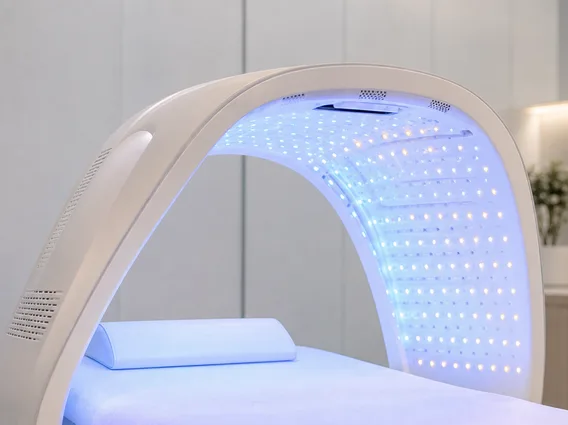
Led Therapy refers to a treatment method that employs light-emitting diodes to deliver specific wavelengths of light to the skin. This technology, sometimes referred to as led light therapy, works by penetrating the skin at different depths, stimulating cellular activity without causing thermal damage. Unlike ultraviolet (UV) light, LED light does not contain harmful rays and is considered safe for various skin types.
The concept behind Led Therapy involves harnessing the power of light to trigger natural biological processes within the body. Different wavelengths of light, such as red, blue, and near-infrared, are used to target specific cellular responses, making it a versatile option for a range of dermatological applications.
How Led Therapy Works and Its Skin Benefits
How does led light therapy work? Led Therapy functions by emitting photons that are absorbed by chromophores in the skin’s cells, particularly in the mitochondria. This absorption energizes the cells, leading to increased adenosine triphosphate (ATP) production, which is crucial for cellular repair and regeneration. This process can enhance blood circulation, stimulate collagen production, and reduce inflammation, contributing to healthier skin.
The benefits of led therapy for skin are diverse, largely depending on the specific wavelength of light used. Each color of light penetrates the skin at a different depth and targets distinct cellular pathways:
- Red Light Therapy: Often used for anti-aging, red light penetrates deeply to stimulate fibroblasts, which produce collagen and elastin. This can lead to reduced fine lines and wrinkles, improved skin texture, and a more youthful appearance. It also has anti-inflammatory properties, aiding in wound healing and reducing redness.
- Blue Light Therapy: Primarily targets the sebaceous glands and destroys P. acnes bacteria, which are responsible for acne breakouts. This makes blue light therapy an effective option for managing acne and preventing future blemishes.
- Near-Infrared Light Therapy: Penetrates even deeper than red light, promoting circulation, reducing inflammation, and supporting muscle recovery. While often used for pain relief, its skin benefits include enhanced healing and deeper cellular rejuvenation.
According to a review published in the Journal of Clinical and Aesthetic Dermatology, LED phototherapy has demonstrated efficacy in treating various skin conditions, including acne vulgaris, psoriasis, and promoting wound healing, with a favorable safety profile.
Led Therapy At-Home Devices and Considerations
The increasing popularity of Led Therapy has led to a wide array of led therapy at home devices reviews and products becoming available to consumers. These devices range from handheld wands to full-face masks and panels, offering convenience for regular use. When considering an at-home device, it is crucial to prioritize safety and efficacy.
Key considerations for selecting and using at-home Led Therapy devices include:
- FDA Clearance: Look for devices that have received FDA clearance, as this indicates they have been reviewed for safety and effectiveness for their intended use.
- Wavelength Specificity: Ensure the device emits the specific wavelengths of light (e.g., red, blue) that target your particular skin concerns.
- Intensity and Coverage: Higher intensity and broader coverage can lead to more effective and efficient treatments.
- Instructions for Use: Always follow the manufacturer’s instructions regarding treatment duration, frequency, and eye protection to ensure safe and optimal results.
- Consistency: Regular and consistent use is generally required to see noticeable improvements with at-home Led Therapy devices.
While at-home devices can be a convenient way to incorporate Led Therapy into a skincare routine, they typically have lower power output compared to professional in-clinic treatments. It is important to manage expectations and understand that results may be more gradual. For persistent or severe skin conditions, consulting a dermatologist for professional guidance and treatment options is always recommended. Information regarding complementary therapies like Led Therapy is supportive only and does not replace professional medical treatment or advice.