Key Ingredients of the Mediterranean Diet and Their Cancer Benefits
The Mediterranean diet, celebrated for its delicious flavors and health advantages, has garnered significant attention for its potential role in disease prevention. This dietary pattern, rich in whole foods, offers a powerful approach to supporting overall well-being, including a reduced risk of various chronic diseases like cancer.
Key Takeaways
- The Mediterranean diet emphasizes plant-based foods, healthy fats like olive oil, and lean proteins, forming a holistic approach to health.
- Its core components, including fruits, vegetables, legumes, and whole grains, are rich in antioxidants, anti-inflammatory compounds, and phytochemicals.
- These healthy ingredients work synergistically to combat oxidative stress and chronic inflammation, key drivers in cancer development.
- Adopting this eating pattern can significantly contribute to Mediterranean diet cancer prevention and support cellular health.
- Integrating practical tips and sustainable habits helps harness the protective power of Mediterranean diet foods anti-cancer for long-term health benefits.
The Mediterranean Diet’s Role in Cancer Prevention
The Mediterranean diet is more than just a list of foods; it’s a lifestyle pattern rooted in the traditional eating habits of countries bordering the Mediterranean Sea. This approach to eating has consistently been linked to a lower incidence of chronic diseases, including various forms of cancer. Its emphasis on whole, unprocessed foods provides a robust defense against cellular damage and inflammation, which are critical factors in cancer initiation and progression.
Foundational Principles of the Diet
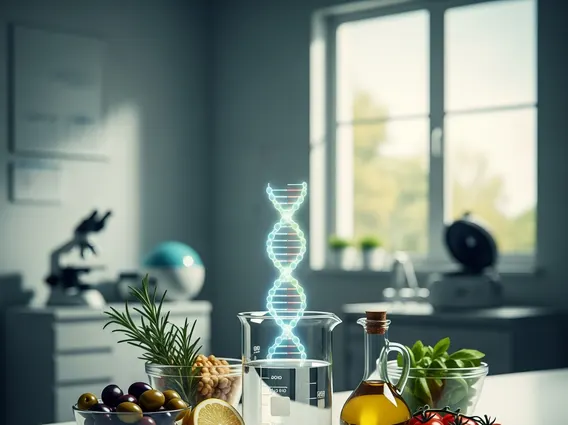
At its heart, the Mediterranean diet prioritizes plant-based foods, healthy fats, and moderate consumption of lean proteins. Daily intake typically includes a wide array of fruits, vegetables, whole grains, legumes, and nuts. Extra virgin olive oil is the primary source of fat, used generously in cooking and dressings. Fish and seafood are consumed regularly, often several times a week, while poultry, eggs, and dairy products are eaten in moderation. Red meat is typically limited to a few times a month. This balanced composition ensures a rich supply of essential nutrients, fiber, and protective compounds, making it a powerful tool for health.
Linking Dietary Patterns to Cancer Risk
Research consistently highlights the profound connection between dietary choices and cancer risk. Unhealthy eating patterns, often characterized by high intake of processed foods, red meat, and refined sugars, can promote chronic inflammation and oxidative stress within the body. These conditions create an environment conducive to cellular mutations and uncontrolled cell growth, which are hallmarks of cancer. Conversely, the Mediterranean diet benefits cancer risk reduction by providing a wealth of protective compounds. For instance, a meta-analysis published in the British Medical Journal found that adherence to the Mediterranean diet was associated with a significant reduction in overall cancer mortality. The World Health Organization (WHO) also emphasizes the importance of diet in cancer prevention, noting that a healthy diet can prevent approximately 30-50% of all cancer cases.
Core Mediterranean Diet Ingredients Fighting Cancer
The efficacy of the Mediterranean diet in cancer protection stems directly from its rich array of specific ingredients. These components work synergistically to create an internal environment less hospitable to cancer development, offering significant Mediterranean diet components cancer protection.
Power of Olive Oil and Healthy Fats
Extra virgin olive oil is arguably the most iconic ingredient of the Mediterranean diet and a cornerstone of its anti-cancer properties. It is rich in monounsaturated fatty acids (MUFAs), particularly oleic acid, which has been shown to have anti-inflammatory effects. Beyond its healthy fat content, extra virgin olive oil is packed with powerful antioxidants like polyphenols, including oleocanthal, which mimics the effects of ibuprofen in reducing inflammation. These compounds help protect cells from oxidative damage, a key factor in cancer development. Additionally, the diet encourages the consumption of fatty fish such as salmon, mackerel, and sardines, which are excellent sources of omega-3 fatty acids. Omega-3s are known for their potent anti-inflammatory properties, further contributing to the diet’s ability to reduce cancer risk.
Abundant Fruits, Vegetables, and Legumes
The generous inclusion of fruits, vegetables, and legumes is another critical aspect of why Mediterranean diet foods anti-cancer properties are so strong. These plant-based foods are veritable powerhouses of vitamins, minerals, fiber, and a vast array of phytochemicals. Fiber, for example, supports digestive health and helps regulate blood sugar levels, both of which are important for cancer prevention. A high intake of fruits and vegetables is consistently linked to a lower risk of various cancers, including colorectal, lung, and breast cancer. The American Institute for Cancer Research (AICR) recommends making at least two-thirds of your plate plant-based, a principle strongly reflected in the Mediterranean diet. Legumes like lentils, chickpeas, and beans provide plant-based protein and soluble fiber, contributing to satiety and stable blood sugar, while also delivering unique anti-cancer compounds. These healthy ingredients Mediterranean diet cancer benefits are undeniable.
Anti-Cancer Compounds in Mediterranean Foods
The protective effects of the Mediterranean diet against cancer are largely attributed to the specific bioactive compounds found within its staple foods. These compounds actively intervene in cellular processes that can lead to cancer, showcasing the direct link between mediterranean diet ingredients cancer prevention.
Antioxidants and Anti-Inflammatory Action
Many Mediterranean diet ingredients cancer-fighting abilities stem from their high content of antioxidants. Antioxidants neutralize free radicals, unstable molecules that can damage DNA and cells, leading to chronic inflammation and potentially cancer. Foods like berries, dark leafy greens, tomatoes, and nuts are rich in vitamins C and E, selenium, and carotenoids, all potent antioxidants. Chronic inflammation is a known driver of cancer progression, and the Mediterranean diet excels at reducing it. Compounds like polyphenols in olive oil, resveratrol in red grapes, and curcuminoids in spices like turmeric (often used in Mediterranean-inspired dishes) exert powerful anti-inflammatory effects, helping to maintain cellular integrity and prevent the conditions that foster tumor growth.
Phytochemicals Supporting Cellular Health
Beyond general antioxidants, the Mediterranean diet is abundant in specific phytochemicals – plant compounds with protective or disease-preventing properties. These include:
- Lycopene: Found in tomatoes, especially cooked ones, lycopene is a powerful antioxidant linked to reduced risks of prostate and breast cancer.
- Flavonoids: Present in fruits, vegetables, and red wine, flavonoids have anti-inflammatory and antioxidant properties, helping to inhibit cancer cell growth.
- Glucosinolates: Found in cruciferous vegetables like broccoli and kale, these compounds are converted into isothiocyanates, which can detoxify carcinogens and induce cancer cell death.
- Resveratrol: Primarily found in the skin of red grapes and red wine, resveratrol has been studied for its ability to inhibit various stages of cancer development.
These phytochemicals contribute significantly to how foods in Mediterranean diet fight cancer by influencing cell signaling pathways, promoting apoptosis (programmed cell death) in abnormal cells, and inhibiting angiogenesis (the formation of new blood vessels that feed tumors). This comprehensive action underscores the diet’s robust capacity for cancer protection.
Adopting Mediterranean Eating for Cancer Protection
Transitioning to a Mediterranean eating pattern is a practical and enjoyable way to harness its protective benefits against cancer. It’s not about strict rules but rather a flexible framework that encourages wholesome choices and mindful eating, making it an excellent strategy for Mediterranean diet cancer prevention.
Practical Tips for Meal Integration
Incorporating Mediterranean diet components cancer protection into your daily life can be straightforward. Start by making olive oil your primary cooking fat. Increase your intake of fruits and vegetables by adding them to every meal and snack. Swap refined grains for whole grains like quinoa, brown rice, and whole-wheat pasta. Replace red meat with fish or legumes a few times a week. Nuts and seeds make excellent snacks, and herbs and spices can enhance flavor without relying on excessive salt.
Here are some actionable steps:
| Meal Type | Mediterranean Swap | Benefit |
|---|---|---|
| Breakfast | Oatmeal with berries and nuts | Fiber, antioxidants, healthy fats |
| Lunch | Lentil soup with whole-grain bread | Plant protein, fiber, complex carbs |
| Dinner | Baked salmon with roasted vegetables | Omega-3s, vitamins, minerals |
| Snack | Apple slices with almond butter | Fiber, healthy fats, vitamins |
These simple changes can significantly boost your intake of healthy ingredients Mediterranean diet cancer benefits.
Sustainable Habits for Long-Term Health
For the Mediterranean diet to truly offer lasting cancer protection, it needs to be adopted as a sustainable lifestyle rather than a temporary diet. Focus on enjoying your food, sharing meals with others, and being physically active, all of which are integral to the Mediterranean lifestyle. Gradual changes are often more effective than drastic overhauls. Experiment with new recipes, explore different vegetables, and discover the joy of cooking with fresh, seasonal ingredients. By making these habits a regular part of your routine, you can consistently benefit from the anti-cancer properties of this diet, supporting long-term health and significantly reducing your cancer risk. The consistent consumption of foods in Mediterranean diet fight cancer effectively over time.
Frequently Asked Questions
What makes the Mediterranean diet effective for cancer prevention?
The Mediterranean diet’s effectiveness in cancer prevention stems from its rich concentration of antioxidants, anti-inflammatory compounds, and fiber. Ingredients like extra virgin olive oil, fruits, vegetables, legumes, and whole grains provide phytochemicals that protect cells from damage, reduce chronic inflammation, and support healthy cellular function. This holistic approach helps to mitigate factors known to contribute to cancer development, offering a comprehensive strategy for health protection.
Which specific foods in the Mediterranean diet have the strongest anti-cancer properties?
Key foods with strong anti-cancer properties in the Mediterranean diet include extra virgin olive oil, rich in polyphenols and monounsaturated fats; colorful fruits and vegetables (e.g., tomatoes, leafy greens, berries) packed with vitamins, antioxidants, and phytochemicals like lycopene and flavonoids; and legumes and whole grains, which provide fiber and plant-based proteins. Fatty fish, high in omega-3 fatty acids, also contribute significantly to the diet’s anti-inflammatory and protective effects against cancer.
How quickly can adopting the Mediterranean diet impact cancer risk?
While the full benefits of adopting the Mediterranean diet for cancer prevention are typically observed over the long term, positive changes can begin relatively quickly. Reducing inflammatory markers and improving antioxidant status can occur within weeks or months of consistent adherence. Sustained adherence over years is crucial for significantly lowering lifetime cancer risk, as it continuously supports cellular health and reduces exposure to pro-cancerous conditions. Consistency is key for maximizing its protective potential.