Home Care Tips for Vision Problems
Maintaining good vision is crucial for overall quality of life, and proactive home care tips for vision problems can play a significant role in supporting eye health. This article provides practical strategies and lifestyle adjustments designed to help individuals manage and improve their vision from the comfort of their home. By integrating simple yet effective practices, you can take meaningful steps towards preserving your eyesight and enhancing ocular well-being.
Key Takeaways
- Consistent eye care tips at home for poor eyesight are vital for maintaining vision and managing existing conditions effectively.
- Natural methods, including specific daily eye exercises for better vision and lifestyle adjustments, can significantly support overall eye health.
- Prioritizing protecting eyes from digital strain at home and adopting a nutrient-rich diet are crucial for long-term vision preservation.
- Simple environmental and routine adjustments can greatly assist in managing vision loss at home tips and improving daily comfort.
Effective Home Care for Vision Problems
Effective home care for vision problems involves a combination of consistent routines and environmental adjustments. For individuals experiencing vision challenges, establishing a supportive home environment is paramount. This includes ensuring adequate lighting in all living spaces, reducing glare, and organizing items to minimize tripping hazards. Simple changes can significantly enhance safety and independence, making daily tasks more manageable for those with impaired vision.
Beyond environmental modifications, general hygiene and mindful practices are essential eye care tips at home for poor eyesight. Regularly cleaning your eyelids and eyelashes can prevent infections and irritation, especially for those prone to dry eyes or blepharitis. Avoiding rubbing your eyes, particularly with unwashed hands, is a fundamental step in preventing the introduction of harmful bacteria. While home care cannot replace professional medical advice, these foundational practices contribute significantly to overall eye health.
For those seeking supplementary approaches, some home remedies for vision problems focus on general eye comfort and hydration rather than correcting refractive errors. These often include applying warm compresses to soothe tired eyes, using over-the-counter artificial tears for dryness, and ensuring adequate hydration throughout the day. It is important to remember that such remedies are supportive and should always be discussed with an eye care professional, especially if you are experiencing persistent or worsening vision issues.
Natural Ways to Enhance Eye Health at Home
Many individuals are interested in how to improve vision naturally at home through lifestyle changes and specific practices. While natural methods cannot reverse conditions like glaucoma or cataracts, they can certainly support overall eye health, reduce strain, and potentially slow down age-related decline. Adopting a holistic approach that includes proper rest, stress management, and a balanced lifestyle forms the cornerstone of natural eye care.
One popular aspect of natural eye care involves incorporating daily eye exercises for better vision. These exercises are primarily designed to relieve eye strain, improve focus, and enhance the flexibility of eye muscles, rather than correcting refractive errors. They can be particularly beneficial for individuals who spend long hours on digital screens or engage in tasks requiring intense visual concentration. Consistent practice can lead to reduced eye fatigue and improved visual comfort.
Here are some simple eye exercises you can integrate into your daily routine:
- Palming: Rub your hands together to create warmth, then gently cup them over your closed eyes without applying pressure. Relax in the darkness for 1-2 minutes.
- Focus Shifting: Hold a pen at arm’s length, focus on it, then shift your gaze to an object further away. Alternate between near and far focus for several minutes.
- Eye Rolls: Slowly roll your eyes clockwise, then counter-clockwise, making full circles. Repeat 3-5 times in each direction.
- Near and Far Vision: Hold your thumb about 10 inches from your face and focus on it for 15 seconds. Then, shift your gaze to an object 10-20 feet away for 15 seconds. Repeat 5 times.
Beyond exercises, ensuring adequate sleep is a fundamental natural way to support eye health. During sleep, your eyes get the necessary rest and lubrication to recover from the day’s strain. Chronic sleep deprivation can lead to dry eyes, twitching, and blurred vision. Similarly, managing stress through techniques like meditation or deep breathing can indirectly benefit your eyes, as stress can exacerbate conditions like eye strain and muscle tension.
Protecting Your Eyes from Strain & Nutrition
In our modern world, protecting our eyes from various forms of strain, particularly digital, and ensuring adequate nutrition are two critical pillars of maintaining long-term vision health. The pervasive use of digital devices has introduced new challenges, while the importance of a nutrient-rich diet for ocular well-being remains timeless. Addressing both aspects proactively is essential for comprehensive eye care.
Globally, vision impairment affects at least 2.2 billion people, with many cases being preventable or treatable, according to the World Health Organization (WHO). A significant contributor to eye discomfort and potential long-term issues is prolonged exposure to digital screens. Understanding and mitigating these risks through conscious habits and dietary choices can make a substantial difference in preserving your vision.
Digital Eye Strain Prevention
Protecting eyes from digital strain at home has become increasingly important given the rise in remote work and leisure screen time. Digital eye strain, also known as computer vision syndrome, manifests through symptoms like dry eyes, headaches, blurred vision, and neck pain. Studies suggest that between 50% and 90% of people who work on a computer experience some symptoms of digital eye strain (American Optometric Association).
To combat this, adopting the “20-20-20 rule” is highly recommended: every 20 minutes, look at something 20 feet away for 20 seconds. This simple practice allows your eyes to relax and refocus, reducing fatigue. Additionally, optimizing your workstation setup, such as positioning your screen at arm’s length and slightly below eye level, and using anti-glare filters, can significantly alleviate strain. Ensuring proper room lighting that minimizes screen glare is also crucial.
Nutritional Strategies for Eye Health
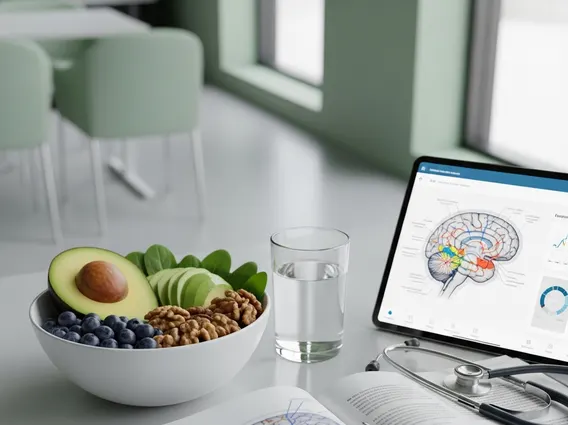
Optimal nutrition for healthy eyes and vision is a cornerstone of preventative eye care. A diet rich in specific vitamins, minerals, and antioxidants can help protect against age-related macular degeneration (AMD), cataracts, and other vision problems. These nutrients work by combating oxidative stress and supporting the structural integrity of the eye.
Incorporating a variety of colorful fruits and vegetables, along with healthy fats, can provide the essential building blocks for robust eye health. Here’s a breakdown of key nutrients and their dietary sources:
| Nutrient | Benefit for Eyes | Rich Food Sources |
|---|---|---|
| Vitamin A | Protects cornea, essential for night vision | Carrots, sweet potatoes, spinach, kale |
| Vitamin C | Antioxidant, reduces cataract risk | Citrus fruits, bell peppers, broccoli |
| Vitamin E | Powerful antioxidant, protects eye cells | Almonds, sunflower seeds, avocado |
| Zinc | Helps Vitamin A create melanin, protective pigment | Oysters, beef, pumpkin seeds, legumes |
| Lutein & Zeaxanthin | Filter harmful blue light, protect retina | Spinach, kale, collard greens, corn, egg yolks |
| Omega-3 Fatty Acids | Support retinal health, prevent dry eyes | Salmon, flaxseeds, chia seeds, walnuts |
By consciously integrating these nutrient-dense foods into your daily diet, you provide your eyes with the vital support they need to function optimally and resist the damaging effects of environmental factors and aging. A balanced diet is a powerful tool in your arsenal for maintaining excellent vision.
Frequently Asked Questions
Can eye exercises truly improve my vision?
Eye exercises are primarily beneficial for reducing eye strain, improving focus, and enhancing the flexibility of eye muscles. They can help alleviate discomfort associated with prolonged screen use or reading. However, it’s important to understand that eye exercises cannot correct refractive errors like nearsightedness, farsightedness, or astigmatism, which require corrective lenses, contact lenses, or surgical interventions. They serve as a supportive measure for overall eye comfort and health.
What are the most important nutrients for eye health?
Several nutrients are crucial for maintaining optimal eye health. Key among these are Vitamin A, essential for good vision and corneal protection; Vitamins C and E, powerful antioxidants that protect eye cells from damage; Zinc, which helps Vitamin A create melanin; and Omega-3 fatty acids, vital for retinal health and preventing dry eyes. Additionally, Lutein and Zeaxanthin are carotenoids that filter harmful blue light and protect the macula, reducing the risk of age-related macular degeneration.
How often should I rest my eyes when using digital devices?
When using digital devices, it is highly recommended to follow the “20-20-20 rule” to prevent digital eye strain. This rule suggests that every 20 minutes, you should take a 20-second break to look at something that is 20 feet away. This practice allows your eye muscles to relax and refocus, reducing fatigue and discomfort. Regular short breaks are more effective than infrequent long breaks in maintaining eye comfort during prolonged screen time.
Disclaimer: The information provided in this article is for general knowledge and informational purposes only, and does not constitute medical advice. It is essential to consult with a qualified healthcare professional or eye care specialist for any vision problems or before making any decisions related to your health or treatment. Home remedies and natural approaches are supportive and do not replace professional medical diagnosis or treatment.