Home Care Tips for Taste Changes
Experiencing changes in taste can significantly impact daily life, affecting appetite, nutrition, and overall well-being. Whether it’s a diminished sense of taste, a metallic flavor, or an altered perception of sweetness or bitterness, these shifts can be frustrating and challenging to manage. This article provides comprehensive home care tips for taste changes, offering practical advice and strategies to help you navigate and improve your taste perception from the comfort of your home.

Key Takeaways
- Taste changes can stem from various causes, including medications, infections, and lifestyle factors, often requiring a multi-faceted approach to home care.
- Effective management involves diligent oral hygiene, experimenting with food temperatures and textures, and avoiding strong odors.
- Dietary adjustments, such as incorporating strong flavors and herbs, are crucial for making food more appealing and palatable.
- Natural remedies and supplements, like zinc, can support taste perception, but should always complement, not replace, medical advice.
- Staying hydrated and maintaining good overall health are fundamental to improving taste perception naturally.
Common Causes of Altered Taste & Home Care
Taste changes, medically known as dysgeusia or ageusia (complete loss of taste), can arise from a multitude of factors, impacting an individual’s quality of life and nutritional intake. Understanding what causes taste changes and home care strategies is the first step toward effective management. These alterations can range from temporary annoyances to persistent issues, often linked to underlying health conditions or external influences.
Many people experience altered taste buds due to common ailments like the flu or a cold, where nasal congestion directly affects the sense of smell, which is intricately linked to taste. Beyond acute illnesses, chronic conditions and certain treatments can also play a significant role. For instance, an estimated 15% of adults in the U.S. experience some form of chemosensory dysfunction, including taste disorders, according to data from the National Institute on Deafness and Other Communication Disorders (NIDCD). Addressing these underlying causes, where possible, is key to restoring normal taste function.
Medications and Medical Conditions
A significant number of medications can induce taste changes as a side effect. These include certain antibiotics, antihistamines, blood pressure medications, and chemotherapy drugs, which can directly affect taste receptors or alter saliva production. For individuals undergoing cancer treatment, taste alterations are particularly common and often severe, making it challenging to maintain adequate nutrition. Conditions like diabetes, kidney disease, and neurological disorders (e.g., Parkinson’s disease) can also interfere with taste perception.
When taste changes are linked to medication, consulting with a healthcare provider about potential alternatives or dosage adjustments is advisable. For those with chronic medical conditions, managing the primary illness effectively can sometimes alleviate taste-related symptoms. Regular communication with your doctor about any persistent taste alterations is crucial, as they can indicate a need for medical intervention or adjustment to your care plan.
Oral Health and Lifestyle Factors
Poor oral hygiene is a frequent culprit behind altered taste. Accumulation of plaque, tartar, and bacteria on the tongue and teeth can interfere with taste buds, leading to a persistent bad taste or diminished perception. Conditions like gum disease (gingivitis or periodontitis) and dry mouth (xerostomia), often caused by medications or certain health conditions, also significantly impair taste. Smoking is another major lifestyle factor that damages taste buds and reduces their sensitivity over time.
To address these issues, maintaining excellent oral hygiene is paramount. This includes brushing teeth twice daily, flossing, and using an antibacterial mouthwash. Regular dental check-ups are essential to identify and treat any underlying oral health problems. Quitting smoking can lead to a gradual improvement in taste perception, as taste buds have the capacity to regenerate. Staying adequately hydrated also helps combat dry mouth, which can indirectly support taste function.
Practical Strategies for Managing Taste Changes
When dealing with altered taste, daily life can become a challenge, especially around meal times. Fortunately, there are many practical tips for altered taste buds that can make a significant difference in your comfort and enjoyment of food. These strategies focus on enhancing the sensory experience of eating, even when your taste perception is not at its best.
One of the most effective ways of managing taste changes at home involves meticulous oral care. Brushing your teeth and tongue before and after meals can help remove any lingering tastes or coatings that might interfere with your perception of food flavors. Using a mild, non-alcoholic mouthwash can also refresh your palate. Additionally, some individuals find that rinsing their mouth with a solution of baking soda and water (1/4 teaspoon baking soda in 1 cup of water) can neutralize metallic or bitter tastes.
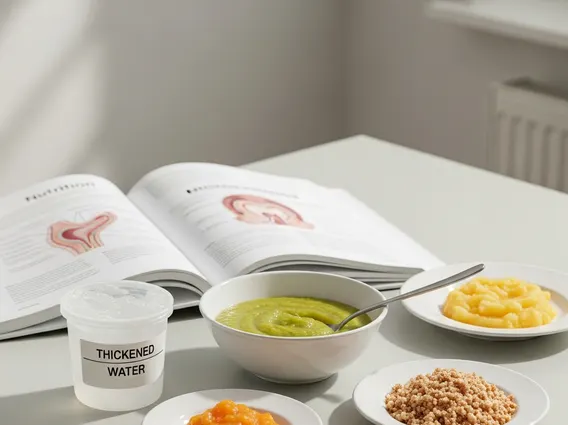
Experimenting with food presentation and temperature can also be highly beneficial. Foods that are served cold or at room temperature often have less intense odors and flavors, which can be more palatable if strong smells or tastes are causing aversion. Using plastic utensils instead of metal ones can help reduce a metallic taste that some people experience. Furthermore, focusing on foods with appealing textures, such as crunchy vegetables or smooth purees, can add another dimension to your eating experience, making meals more enjoyable even with diminished taste.
- Maintain Oral Hygiene: Brush teeth and tongue thoroughly before and after meals.
- Rinse Your Mouth: Use a mild mouthwash or a baking soda solution to neutralize unwanted tastes.
- Adjust Food Temperature: Try foods cold or at room temperature to minimize strong odors.
- Use Non-Metallic Utensils: Opt for plastic or bamboo cutlery to avoid metallic tastes.
- Experiment with Textures: Incorporate a variety of textures to enhance the eating experience.
- Stay Hydrated: Sip water throughout the day to keep your mouth moist and aid taste.
Dietary Advice for Altered Taste Buds
Adjusting your diet is a crucial component of coping with taste changes at home. Certain foods can become unappealing, while others might offer a surprising amount of enjoyment. The goal is to make food more palatable and ensure you still receive adequate nutrition, even when your taste buds are not functioning optimally. This section provides targeted dietary advice for taste alterations, focusing on ingredients and preparation methods that can help.
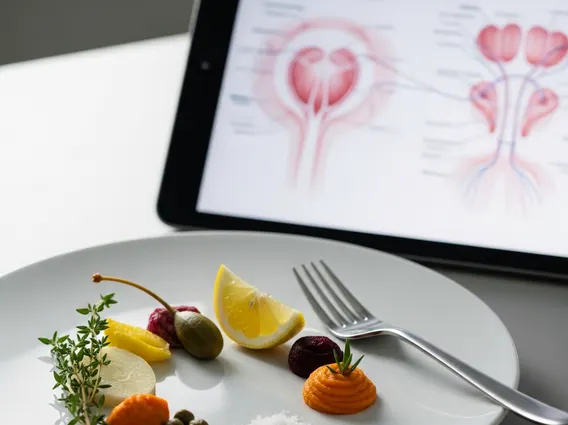
When taste is diminished or altered, incorporating strong, natural flavors can make a significant difference. Citrus fruits like lemons, limes, and oranges can stimulate saliva production and add a refreshing zest to dishes. Herbs and spices such as ginger, garlic, rosemary, thyme, and mint can enhance flavor without adding excessive salt or sugar, which might be unappealing. Experiment with different seasonings to discover what works best for your altered palate. Marinades and sauces can also infuse flavor into meats and vegetables, making them more enjoyable.
It’s also important to consider the types of foods that might exacerbate taste issues. For many, red meat can develop a metallic or bitter taste. In such cases, opt for alternative protein sources like poultry, fish, eggs, beans, or tofu. Highly processed foods, which often contain artificial flavors and excessive sodium, might also be less appealing or even worsen taste distortions. Focus on fresh, whole foods to provide a cleaner taste experience. Staying well-hydrated by drinking plenty of water throughout the day is also vital, as a dry mouth can further impair taste perception.
| Foods to Emphasize | Foods to Limit/Modify |
|---|---|
| Citrus fruits (lemons, limes, oranges) | Red meats (if metallic taste is present) |
| Strong herbs and spices (ginger, garlic, mint, rosemary) | Highly processed foods |
| Vinegars and marinades | Overly sweet or salty items |
| Poultry, fish, eggs, beans, tofu | Foods with strong, unpleasant odors |
| Fresh fruits and vegetables | Artificial sweeteners or flavors |
Natural Remedies to Improve Taste Perception
Beyond dietary adjustments and practical strategies, several home remedies for taste changes and natural approaches can support the restoration and improving taste perception naturally. These methods often focus on addressing nutritional deficiencies, enhancing oral health, or stimulating taste buds through gentle, natural means. While generally safe, it’s always wise to discuss any new supplements or significant dietary changes with your healthcare provider.
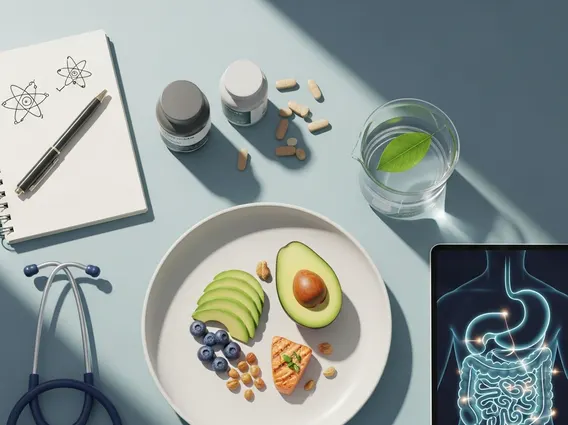
One of the most commonly cited natural remedies for taste disturbances is zinc supplementation. Zinc is a vital trace mineral that plays a crucial role in the development and function of taste buds. A deficiency in zinc can lead to hypogeusia (reduced taste) or dysgeusia. Studies, such as those published in the journal Nutrients, have explored the link between zinc deficiency and taste disorders, suggesting that supplementation may be beneficial for some individuals. However, excessive zinc intake can be harmful, so it’s important to take it under medical guidance and within recommended dosages.
Other natural approaches include incorporating specific herbs and maintaining excellent hydration. Chewing on fresh ginger slices or sipping on ginger tea can help stimulate saliva flow and cleanse the palate, potentially improving taste. Peppermint, either as a tea or by chewing fresh leaves, can also offer a refreshing sensation and help mask unpleasant tastes. Regular sips of water throughout the day are essential, as a well-hydrated mouth functions better, allowing taste buds to work more effectively. Additionally, some people find that gargling with warm salt water can help maintain oral hygiene and reduce inflammation that might be affecting taste perception.
Frequently Asked Questions
Can taste changes be permanent?
The permanence of taste changes depends heavily on their underlying cause. Many taste alterations, especially those due to temporary illnesses like colds, certain medications, or minor oral issues, are reversible once the cause is resolved. However, taste changes resulting from nerve damage, severe head trauma, or chronic conditions like certain neurological disorders or advanced age may be permanent or long-lasting. Consulting a doctor for a proper diagnosis is crucial to understand the prognosis and explore potential treatments.
When should I see a doctor for taste changes?
You should consult a doctor if your taste changes are sudden, severe, persistent, or accompanied by other concerning symptoms like unexplained weight loss, pain, or difficulty swallowing. It’s also important to seek medical advice if home remedies and dietary adjustments don’t provide relief, or if you suspect your taste changes are related to a new medication or an underlying medical condition. A healthcare professional can help identify the cause and recommend appropriate medical interventions.
Are there specific vitamins that help with taste?
While a balanced diet rich in various vitamins and minerals is essential for overall health, zinc is the most commonly recognized mineral linked directly to taste perception. Deficiencies in B vitamins, particularly B12, have also been associated with taste disturbances in some cases. However, simply taking supplements without a diagnosed deficiency may not be effective and could even be harmful. Always consult with a healthcare provider before starting any new vitamin or mineral supplements to ensure they are appropriate for your specific needs.
Disclaimer: The information provided in this article is for general knowledge and informational purposes only, and does not constitute medical advice. It is essential to consult with a qualified healthcare professional for any health concerns or before making any decisions related to your health or treatment. Home care tips and natural remedies are supportive measures and should not replace professional medical treatment.