Home Care Tips for Radiation Proctitis
Radiation proctitis is an inflammation of the rectum that can occur after radiation therapy to the pelvis, often for cancers such as prostate, cervical, or rectal cancer. While medical treatments are essential, effective home care strategies can significantly alleviate discomfort and improve quality of life for those experiencing this challenging condition.
Key Takeaways
- Adopting a low-fiber, bland diet is crucial for reducing irritation and promoting bowel regularity.
- Sitz baths and topical treatments can provide immediate relief from pain and discomfort.
- Hydration and gentle hygiene practices are fundamental in preventing further irritation and supporting recovery.
- Natural remedies like aloe vera and probiotics may offer additional soothing benefits, but always consult a doctor.
- Consistent communication with healthcare providers ensures appropriate medical management alongside home care efforts.
Home Care Tips for Radiation Proctitis
Radiation proctitis can manifest with a range of symptoms, including rectal pain, bleeding, urgency, and diarrhea, significantly impacting daily life. While acute symptoms typically resolve within weeks of radiation therapy, chronic proctitis can persist for months or even years, affecting an estimated 5-20% of patients undergoing pelvic radiotherapy, according to various medical reviews. Effective managing radiation proctitis at home involves a multi-faceted approach focused on reducing inflammation, soothing irritated tissues, and promoting regular, comfortable bowel movements.
Central to home care is maintaining meticulous anal hygiene. After each bowel movement, instead of harsh toilet paper, use soft, moistened wipes or a bidet to gently cleanse the area. Patting dry with a soft cloth rather than rubbing can prevent further irritation. Wearing loose-fitting, breathable cotton underwear can also help reduce friction and allow air circulation, which is vital for healing and preventing skin breakdown around the perianal region. Avoiding prolonged sitting on hard surfaces can also lessen pressure on the rectum, contributing to overall comfort.
Dietary Guidelines for Managing Symptoms
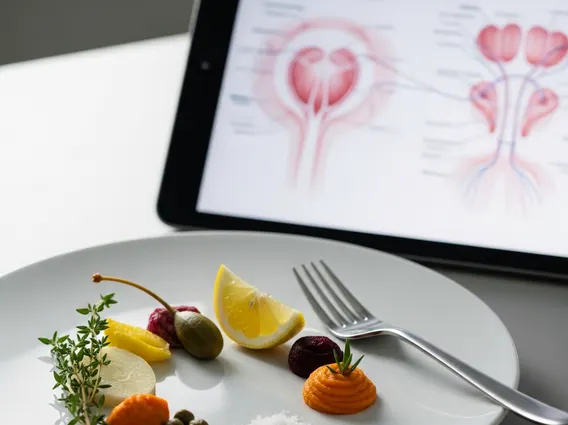
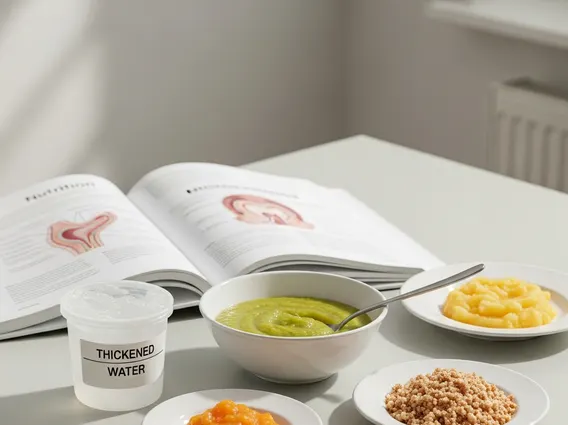
One of the most impactful aspects of home care tips for radiation proctitis involves careful dietary modifications. The goal is to minimize irritation to the inflamed rectal lining, reduce bowel movements, and ensure stools are soft and easy to pass. This often means adopting a low-fiber, bland diet, especially during symptom flare-ups. Staying well-hydrated by drinking plenty of water throughout the day is also critical for softening stools and preventing constipation, which can exacerbate rectal pain and bleeding.
Patients should focus on easily digestible foods and avoid those known to irritate the gastrointestinal tract. Monitoring individual responses to different foods is key, as sensitivities can vary. Keeping a food diary can help identify specific triggers that worsen symptoms, allowing for personalized adjustments to the diet. These diet tips for radiation proctitis are not only about what to eat but also how to eat, recommending smaller, more frequent meals to ease digestion.
Foods to Include in Your Diet
Incorporating specific foods can help soothe the digestive system and provide essential nutrients without causing further irritation. These choices are generally low in fiber and easy to digest, supporting the healing process.
- Lean Proteins: Baked or grilled chicken, turkey, fish, and eggs provide necessary protein for tissue repair without excessive fat.
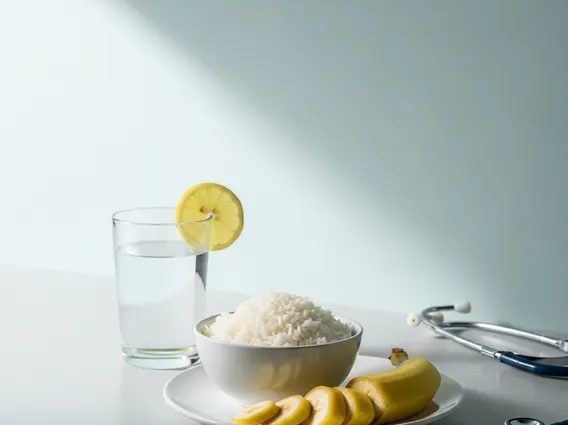
- Refined Grains: White bread, white rice, pasta, and crackers are low in fiber and less likely to irritate the bowel.
- Cooked Vegetables: Well-cooked, peeled, and seedless vegetables like carrots, potatoes, green beans, and squash are easier to digest than raw or high-fiber options.
- Ripe Fruits: Bananas, melons, and peeled apples (cooked) offer vitamins and minerals while being gentle on the digestive system.
- Dairy (if tolerated): Yogurt with live cultures can be beneficial, but some may need to opt for lactose-free options or avoid dairy if it causes discomfort.
Foods to Avoid or Limit
Certain foods can trigger or worsen symptoms of radiation proctitis by increasing bowel activity, causing gas, or directly irritating the rectal lining. Limiting or avoiding these can significantly contribute to relief for radiation proctitis symptoms.
- High-Fiber Foods: Whole grains, raw fruits and vegetables, nuts, and seeds can increase bowel movements and irritation.
- Spicy Foods: Chili, hot sauces, and other spicy ingredients can directly irritate the inflamed rectal mucosa.
- Fatty and Fried Foods: These can be difficult to digest and may lead to diarrhea.
- Caffeine and Alcohol: Both can act as bowel stimulants and dehydrate the body, worsening symptoms.
- Sugary Foods and Drinks: High sugar intake can sometimes lead to increased gas and discomfort.
Effective Relief Strategies for Discomfort
Finding effective ways to manage the pain and discomfort associated with radiation proctitis is paramount for improving daily function and quality of life. Beyond dietary adjustments, several strategies can offer significant relief for radiation proctitis symptoms. These approaches aim to reduce inflammation, soothe irritated tissues, and provide comfort during flare-ups. Always discuss these options with your healthcare provider to ensure they are appropriate for your specific condition.
Sitz baths are a widely recommended and highly effective home remedy. Soaking the perianal area in warm water for 15-20 minutes, two to three times a day, can help relax the anal sphincter, improve blood flow, and reduce pain and muscle spasms. Adding Epsom salts or a small amount of baking soda to the water can further enhance the soothing effect. Over-the-counter topical creams containing hydrocortisone or lidocaine, as recommended by a doctor, can also provide localized relief from itching, pain, and inflammation. It’s important to apply these gently and sparingly.
For internal discomfort and pain, mild over-the-counter pain relievers such as acetaminophen may be used, but always follow dosage instructions and consult your doctor, especially if you are taking other medications. Avoiding non-steroidal anti-inflammatory drugs (NSAIDs) like ibuprofen or naproxen is often advised, as they can sometimes irritate the gastrointestinal lining. Additionally, maintaining a regular, gentle exercise routine, such as walking, can help improve bowel regularity and reduce stress, which can indirectly contribute to what helps radiation proctitis pain.
Natural and Home Remedies for Soothing Pain
Many individuals seek natural treatment for radiation proctitis to complement conventional medical care. These remedies often focus on reducing inflammation, promoting healing, and providing comfort through gentle, natural means. It’s crucial to remember that while these methods can offer symptomatic relief, they should always be discussed with a healthcare professional to ensure they are safe and do not interfere with prescribed treatments.
Aloe vera, known for its anti-inflammatory and healing properties, can be used topically in the form of a pure gel to soothe external irritation. Some studies suggest that oral aloe vera juice may also help, but its efficacy for internal proctitis symptoms requires more robust research, and it should be used cautiously due to potential laxative effects. Probiotics, found in fermented foods like yogurt or as supplements, can help restore a healthy balance of gut bacteria, which may be disrupted by radiation. A balanced gut microbiome can support digestive health and potentially reduce inflammation, aiding in coping with radiation proctitis symptoms.
Other home remedies for radiation proctitis include using witch hazel pads, which have astringent properties that can help reduce swelling and discomfort. Chamomile tea, consumed warm, is known for its calming effects on the digestive system and can be a soothing beverage. Applying a cool compress to the perianal area can also provide temporary relief from burning and itching. Ultimately, the most effective approach involves a combination of medical supervision, dietary adjustments, and carefully chosen home remedies to achieve optimal comfort and healing.
Disclaimer: The information provided in this article is for general knowledge and informational purposes only, and does not constitute medical advice. It is essential to consult with a qualified healthcare professional for any health concerns or before making any decisions related to your health or treatment. Complementary therapies should always be discussed with your doctor and used as supportive measures, not as replacements for prescribed medical treatment.
Frequently Asked Questions
What is the best diet for radiation proctitis?
The best diet for radiation proctitis is typically a low-fiber, bland diet that minimizes irritation to the inflamed rectal lining. Focus on easily digestible foods such as lean proteins, refined grains (white bread, white rice), and well-cooked, peeled vegetables. Avoid high-fiber foods, spicy dishes, fatty or fried items, caffeine, and alcohol, as these can worsen symptoms. Staying well-hydrated is also crucial for softening stools and preventing constipation, which can exacerbate discomfort and pain.
How long does radiation proctitis pain last?
The duration of radiation proctitis pain varies significantly among individuals. Acute radiation proctitis usually develops during or shortly after radiation therapy and often resolves within a few weeks or months. However, chronic radiation proctitis can develop months or even years after treatment, with symptoms persisting for many months or even indefinitely in some cases. The severity and duration depend on factors like radiation dose, individual sensitivity, and the effectiveness of management strategies. Consistent medical follow-up is essential for ongoing symptom management.
Can probiotics help with radiation proctitis?
Probiotics may offer some benefit in managing radiation proctitis symptoms by helping to restore a healthy balance of gut bacteria, which can be disrupted by radiation therapy. A balanced gut microbiome is associated with improved digestive health and may help reduce inflammation in the bowel. While research is ongoing, some studies suggest probiotics could alleviate diarrhea and discomfort. It’s advisable to discuss specific probiotic strains and dosages with your healthcare provider to determine if they are appropriate for your individual condition and to ensure they complement your overall treatment plan.