Home Care Tips for Radiation Enteritis
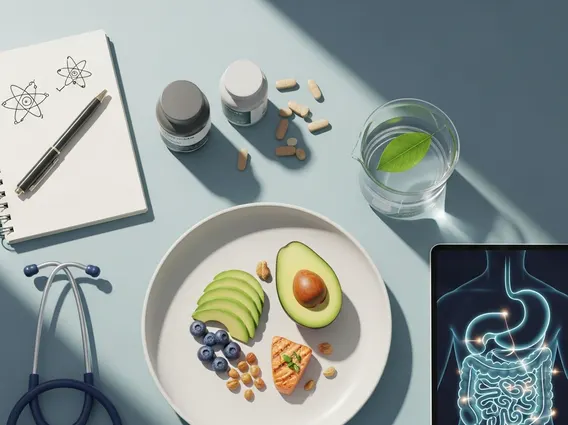
Radiation enteritis is an inflammation of the intestines that can occur as a side effect of radiation therapy, particularly when directed at the abdomen or pelvis. Managing this condition effectively at home is crucial for improving comfort and quality of life during and after treatment. This article provides comprehensive Home Care Tips for Radiation Enteritis, focusing on dietary adjustments, symptom relief, and when to seek medical advice.

Key Takeaways
- Prioritize hydration and a bland, low-fiber diet to soothe the digestive system and prevent dehydration.
- Manage symptoms like diarrhea, nausea, and pain with prescribed medications and gentle home remedies.
- Maintain meticulous hygiene to prevent skin irritation and infection, especially in affected areas.
- Monitor symptoms closely and consult a healthcare professional for severe or persistent issues, or signs of complications.
- Consider complementary therapies like probiotics or ginger, but always discuss them with your doctor first.
Key Home Care Tips for Radiation Enteritis Management
Effective Radiation enteritis home care hinges on a multi-faceted approach that addresses both immediate symptoms and long-term well-being. This condition, which can affect a significant portion of patients undergoing pelvic or abdominal radiotherapy—with acute forms affecting 50-80% and chronic forms developing in 5-15% of these individuals, according to various medical studies—requires diligent attention to daily routines. Prioritizing rest and maintaining excellent hygiene are fundamental pillars of managing this challenging side effect.
Staying adequately hydrated is paramount, as diarrhea and vomiting can lead to significant fluid and electrolyte loss. Patients should aim to drink small, frequent sips of clear liquids throughout the day. This includes water, diluted fruit juices, clear broths, and oral rehydration solutions. Avoiding very hot or very cold beverages can also help prevent further irritation to a sensitive digestive tract. Gentle physical activity, if tolerated, can also aid in overall well-being, but strenuous exercise should be avoided.
Here are some practical Tips for managing radiation enteritis at home to enhance comfort and support recovery:
- Hydration: Drink 8-10 glasses of fluid daily, focusing on water, clear broths, and electrolyte-rich drinks.
- Rest: Allow your body ample time to rest and recover, especially after radiation treatments.
- Hygiene: Practice meticulous perianal hygiene to prevent skin irritation and infection, using soft wipes and gentle cleansing.
- Comfortable Clothing: Wear loose-fitting, soft clothing to avoid pressure and friction on the abdomen.
- Stress Management: Engage in calming activities like meditation or deep breathing to help manage stress, which can exacerbate symptoms.
Dietary Strategies for Radiation Enteritis Relief
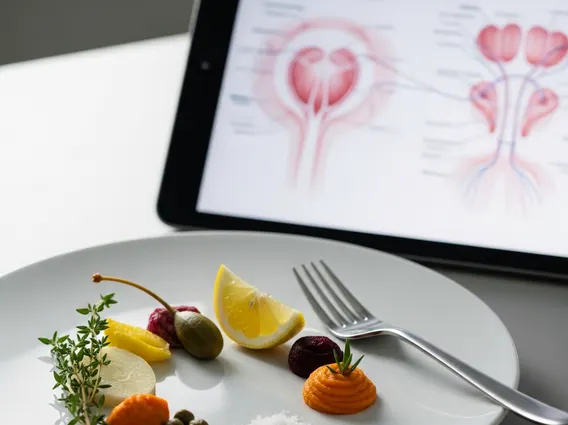
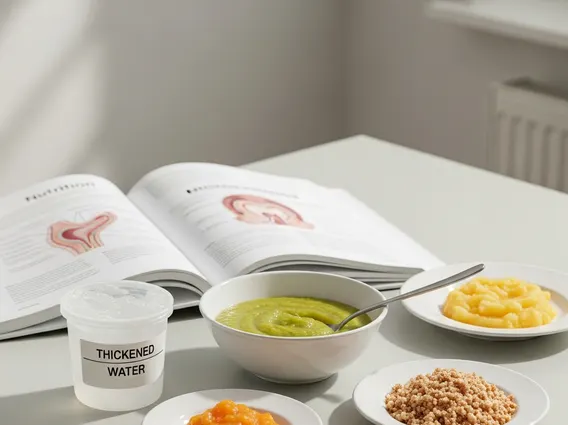
Adopting a carefully planned Diet for radiation enteritis relief is one of the most impactful home care strategies. The goal is to minimize irritation to the inflamed bowel, reduce diarrhea, and ensure adequate nutrition despite digestive challenges. This often involves a shift towards bland, low-fiber foods that are easy to digest, while avoiding items known to trigger discomfort.
Eating smaller, more frequent meals throughout the day, rather than three large ones, can help reduce the burden on the digestive system. It’s also beneficial to eat slowly and chew food thoroughly. Monitoring your body’s response to different foods is key, as individual tolerances can vary significantly. Keeping a food diary can help identify specific triggers that worsen symptoms, allowing for personalized dietary adjustments.
Foods to Include
Focus on foods that are gentle on the digestive tract and provide essential nutrients without causing irritation. These foods are typically low in fiber, fat, and spices, making them easier for an inflamed bowel to process.
| Food Category | Examples | Benefits |
|---|---|---|
| Lean Proteins | Baked chicken or fish, eggs, tofu, plain yogurt | Essential for tissue repair and maintaining muscle mass. |
| Refined Grains | White rice, white bread, pasta, cream of wheat | Easier to digest due to lower fiber content. |
| Cooked Vegetables | Peeled potatoes, well-cooked carrots, green beans, squash | Provide vitamins and minerals in an easily digestible form. |
| Low-Fiber Fruits | Bananas, applesauce, canned peaches/pears (without skin) | Gentle source of vitamins and natural sugars. |
| Healthy Fats (in moderation) | Avocado, olive oil, nut butters (smooth) | Provide energy and aid nutrient absorption without excessive irritation. |
Foods to Avoid
Certain foods can exacerbate symptoms of radiation enteritis by irritating the bowel, increasing gas, or promoting diarrhea. Limiting or temporarily eliminating these items can provide significant relief and support the healing process.
- High-Fiber Foods: Whole grains, raw vegetables, nuts, seeds, legumes, and tough-skinned fruits can increase bowel movements and irritation.
- Fatty and Fried Foods: These are difficult to digest and can worsen diarrhea and abdominal cramping.
- Spicy Foods: Chili, hot sauces, and other spicy ingredients can irritate the inflamed lining of the intestines.
- Caffeine and Alcohol: Both can act as bowel stimulants and contribute to dehydration.
- Dairy Products: For some, lactose intolerance may develop or worsen, leading to increased gas and diarrhea. Opt for lactose-free alternatives if needed.
- Sugary Foods and Drinks: High sugar content can draw water into the bowel, worsening diarrhea.
Coping with Radiation Enteritis Symptoms at Home
Effectively Coping with radiation enteritis at home involves proactive strategies to alleviate common symptoms such as diarrhea, abdominal pain, nausea, and fatigue. While medical treatments are essential, many aspects of symptom management can be handled with careful home care, providing significant Relief for radiation enteritis symptoms and improving daily comfort.
For diarrhea, which is a hallmark symptom, adhering to the dietary guidelines mentioned above is crucial. Over-the-counter anti-diarrheal medications, such as loperamide, may be recommended by your doctor to help slow bowel movements. Always consult your healthcare provider before taking any new medication. Additionally, ensuring adequate fluid intake with electrolyte solutions is vital to prevent dehydration and electrolyte imbalances.
Abdominal pain can often be managed with heat therapy, such as a warm compress or a heating pad placed on the abdomen. Gentle massage can also provide some relief. For nausea, eating bland foods, avoiding strong odors, and consuming ginger-based products (like ginger tea or candies) can be helpful. Anti-nausea medications prescribed by your doctor should be taken as directed. Fatigue is common during radiation therapy and with enteritis; prioritize rest and short naps, and avoid overexertion.
Natural Approaches and When to Consult a Doctor
Exploring Natural remedies for radiation enteritis can complement conventional medical treatments, offering additional comfort and support. These approaches often focus on soothing the digestive tract and reducing inflammation. However, it is crucial to discuss any natural remedies with your healthcare team before incorporating them into your routine to ensure they are safe and do not interfere with your ongoing medical treatment. This is an important aspect of understanding What is radiation enteritis treatment at home beyond prescribed medications.
Probiotics, for instance, are live microorganisms that can help restore a healthy balance of gut bacteria, which may be disrupted by radiation. Some studies suggest that specific probiotic strains might help reduce the severity of radiation-induced diarrhea. L-glutamine, an amino acid, has also been explored for its potential role in maintaining gut barrier function and reducing inflammation, though more research is needed. Gentle herbal teas, such as chamomile or peppermint, can sometimes help soothe an upset stomach, but should be consumed in moderation and with medical guidance.
While home care and natural approaches can provide significant relief, it is vital to know when to seek professional medical attention. Radiation enteritis can sometimes lead to serious complications that require immediate intervention. Always contact your doctor if you experience any of the following warning signs:
- Severe, persistent abdominal pain that does not improve with home remedies.
- High fever (over 100.4°F or 38°C), which could indicate an infection.
- Bloody stools or black, tarry stools.
- Persistent vomiting that prevents you from keeping down fluids.
- Signs of dehydration, such as decreased urination, extreme thirst, dizziness, or confusion.
- Significant weight loss or inability to eat for several days.
- New or worsening symptoms that are concerning.
Your healthcare team can provide tailored advice, adjust medications, or recommend further interventions to manage severe symptoms or complications effectively.
Frequently Asked Questions
How long does radiation enteritis typically last?
The duration of radiation enteritis varies. Acute radiation enteritis usually develops during or shortly after radiation therapy and often resolves within a few weeks to months after treatment ends. Chronic radiation enteritis, however, can develop months or even years after radiation and may persist for an extended period, sometimes requiring ongoing management. The severity and individual response to treatment also play a significant role in its duration.
Can radiation enteritis be prevented?
While complete prevention isn’t always possible, several strategies can help reduce the risk and severity of radiation enteritis. These include using advanced radiation techniques that precisely target tumors and spare healthy tissue, such as intensity-modulated radiation therapy (IMRT). Dietary modifications, like a low-fiber diet during treatment, and certain medications or supplements (e.g., amifostine) may also be used prophylactically under medical supervision to protect the bowel.
What are the most important dietary changes for immediate relief?
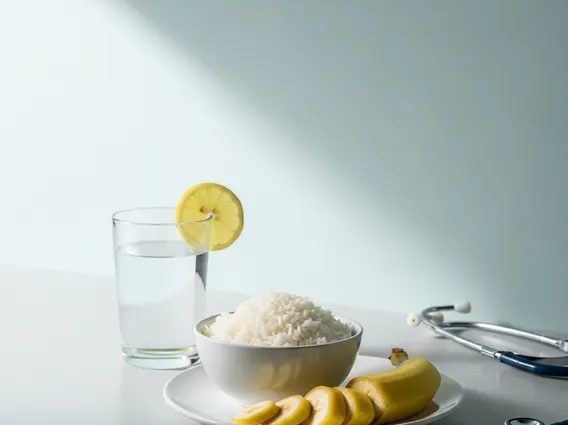
For immediate relief, focus on a bland, low-fiber, and low-fat diet. Prioritize easily digestible foods like white rice, bananas, applesauce, toast, and lean proteins such as baked chicken or fish. Avoid spicy, fried, high-fiber, and overly sugary foods, as well as caffeine and alcohol, which can exacerbate symptoms. Staying well-hydrated with clear liquids and electrolyte solutions is also crucial to manage fluid loss from diarrhea.
Disclaimer: The information provided in this article is for general knowledge and informational purposes only, and does not constitute medical advice. It is essential to consult with a qualified healthcare professional for diagnosis, treatment, and any health concerns. Complementary therapies should always be discussed with your doctor and are not a substitute for prescribed medical treatment.