HIV Positive
Being HIV Positive indicates that a person has been diagnosed with the human immunodeficiency virus (HIV), a condition that affects the body’s immune system. This diagnosis marks the beginning of a journey requiring medical management and lifestyle adjustments.
Key Takeaways
- HIV Positive means a person has the human immunodeficiency virus, which attacks immune cells.
- Early symptoms can be flu-like and often go unnoticed, making testing crucial for timely diagnosis.
- Antiretroviral therapy (ART) is the cornerstone of treatment, effectively managing the virus and improving quality of life.
- With consistent treatment, people living with HIV can lead long, healthy lives and prevent sexual transmission of the virus.
What is HIV Positive?
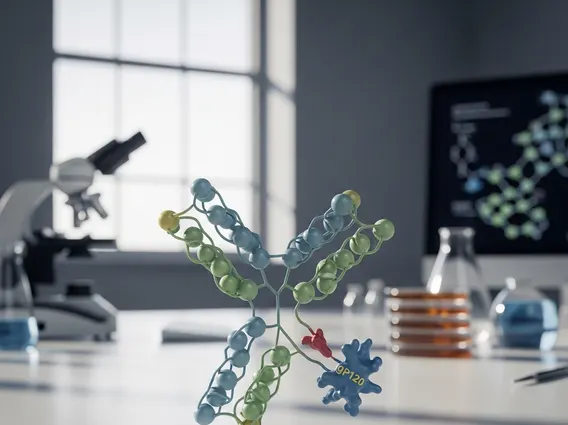
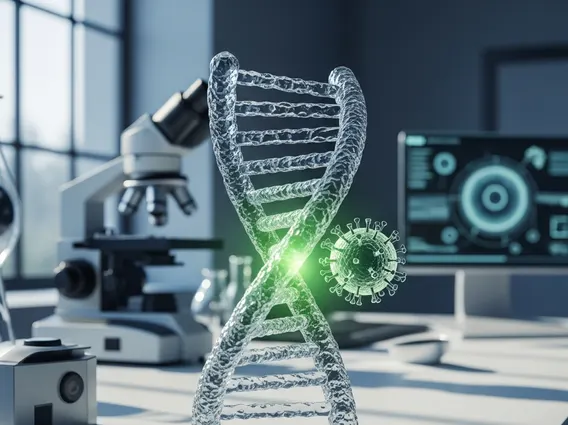
To be HIV Positive means that a person has tested positive for the human immunodeficiency virus (HIV). This virus targets and destroys CD4 T cells, a type of white blood cell crucial for the immune system’s function. Over time, if left untreated, HIV can severely weaken the immune system, making the body vulnerable to opportunistic infections and certain cancers, a stage known as acquired immunodeficiency syndrome (AIDS). According to the World Health Organization (WHO), an estimated 39.0 million people were living with HIV globally in 2022, highlighting its continued global health impact.
Understanding what it means to be HIV Positive is essential for managing the condition. It signifies the presence of the virus in the body, but with modern medical advancements, it does not necessarily mean a progression to AIDS. Early diagnosis and consistent treatment are key to maintaining health and preventing further transmission.
Early Signs and Symptoms of HIV
The early signs and symptoms of HIV can vary widely among individuals, and many people experience no noticeable symptoms during the initial acute infection phase. When symptoms do occur, they typically appear within 2 to 4 weeks after exposure and are often flu-like, making them easy to dismiss or attribute to other common illnesses. These acute symptoms are the body’s natural response to the virus as it begins to replicate rapidly.
Common early symptoms may include:
- Fever
- Fatigue
- Swollen lymph nodes
- Sore throat
- Rash
- Muscle and joint aches
- Headache
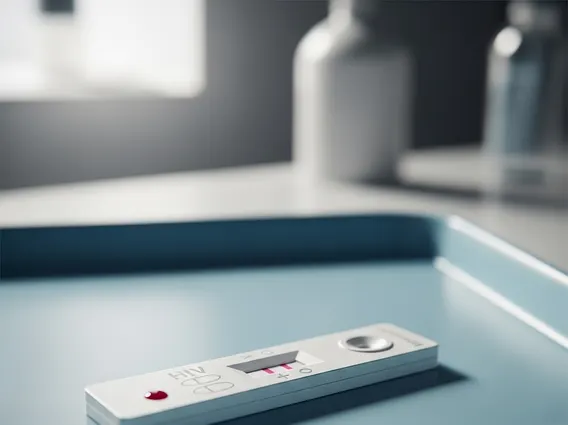
It is important to note that these symptoms are not exclusive to HIV and can be caused by many other conditions. Therefore, the only definitive way to determine if one is HIV Positive is through testing. If there’s a concern about potential exposure, seeking medical advice and getting tested is crucial, regardless of the presence or absence of symptoms.
Treatment and Living with an HIV Positive Diagnosis
The landscape of hiv positive treatment and outlook has dramatically improved over the past few decades. Modern treatment involves antiretroviral therapy (ART), a combination of medicines that effectively control the virus. ART works by preventing HIV from multiplying, which reduces the viral load (the amount of HIV in the blood) to very low, often undetectable levels. When the viral load is undetectable, HIV cannot be transmitted sexually, a concept known as Undetectable = Untransmittable (U=U).
Living with hiv positive diagnosis today means committing to a lifelong treatment regimen and regular medical follow-ups. Adherence to ART is critical for its effectiveness, helping to restore the immune system, improve overall health, and significantly extend life expectancy to near-normal levels. People on effective ART can lead full, productive lives, pursue careers, have families, and maintain their well-being. Regular monitoring of CD4 count and viral load, along with managing any co-occurring health conditions, are integral parts of comprehensive care. Support networks, mental health services, and education also play vital roles in empowering individuals to thrive with their diagnosis.