HIV
Human Immunodeficiency Virus (HIV) is a global health concern that, if left untreated, can severely compromise the immune system. Understanding its nature, transmission, and available treatments is crucial for prevention and management.

Key Takeaways
- HIV is a virus that attacks the body’s immune system, specifically CD4 T cells, leading to acquired immunodeficiency syndrome (AIDS) if not managed.
- The virus is primarily transmitted through specific bodily fluids, including unprotected sexual contact, sharing needles, and from mother to child during pregnancy, childbirth, or breastfeeding.
- Initial HIV symptoms can resemble the flu, followed by a long asymptomatic period before the immune system becomes severely weakened.
- Effective HIV treatment options, primarily Antiretroviral Therapy (ART), can suppress the viral load, improve immune function, and prevent disease progression.
- Early diagnosis and consistent adherence to ART allow individuals with HIV to lead long, healthy lives and prevent transmission to others.
What is HIV (Human Immunodeficiency Virus)?
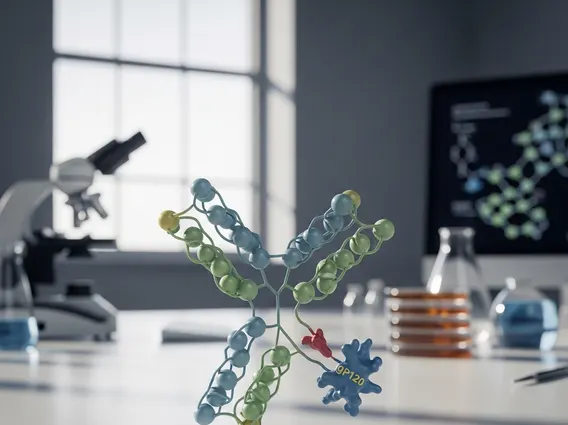
Human Immunodeficiency Virus (HIV) is a viral infection that targets the immune system, specifically CD4 T cells, which are vital for fighting off infections. Over time, if left untreated, HIV can destroy these cells, leading to a severely weakened immune system and increasing susceptibility to opportunistic infections and certain cancers. This advanced stage of the infection is known as acquired immunodeficiency syndrome (AIDS).
While there is currently no cure for HIV, significant advancements in medical science mean that it is now a manageable chronic condition. Globally, an estimated 39 million people were living with HIV in 2022, with 1.3 million new infections and 630,000 AIDS-related deaths, according to the World Health Organization (WHO).
How HIV is Transmitted and Its Symptoms
HIV is transmitted through specific bodily fluids from an infected person, including blood, semen, pre-seminal fluid, rectal fluids, vaginal fluids, and breast milk. For transmission to occur, these fluids must come into contact with a mucous membrane (found in the rectum, vagina, penis, and mouth), damaged tissue, or be directly injected into the bloodstream.
The primary ways how is HIV transmitted include:
- Unprotected sexual contact (anal or vaginal sex) with an infected person.
- Sharing needles, syringes, or other drug injection equipment with an infected person.
- From mother to child during pregnancy, childbirth, or breastfeeding.
- Less commonly, through accidental needle sticks or blood transfusions (though blood supplies are now rigorously screened).
It is important to note that HIV is not transmitted through casual contact such as hugging, kissing, sharing food or drinks, or mosquito bites. Early HIV symptoms can vary widely. Many people experience flu-like symptoms within 2 to 4 weeks after infection, known as acute retroviral syndrome. These can include fever, fatigue, swollen lymph nodes, sore throat, and rash. After this initial phase, the virus enters a chronic stage, which can be asymptomatic for many years. During this period, HIV continues to replicate and damage the immune system, often without noticeable signs. As the immune system weakens, individuals may experience persistent swollen lymph nodes, weight loss, fever, diarrhea, and eventually develop opportunistic infections or cancers indicative of AIDS.
HIV Treatment Options
The cornerstone of managing HIV is Antiretroviral Therapy (ART). HIV treatment options involve a combination of medicines that work to stop the virus from replicating, thereby reducing the viral load (the amount of HIV in the blood) to undetectable levels. When the viral load is undetectable, HIV cannot be transmitted sexually, a concept known as “Undetectable = Untransmittable” (U=U).
ART helps people living with HIV to:
- Live longer, healthier lives.
- Reduce the risk of transmitting HIV to others.
- Prevent the progression of HIV to AIDS.
Adherence to ART is critical for its effectiveness. Missing doses can allow the virus to multiply and potentially develop resistance to the medications. Regular monitoring by healthcare professionals, including viral load and CD4 count tests, is essential to ensure the treatment is working effectively and to adjust medications if necessary. With consistent ART, people with HIV can maintain a strong immune system and have a life expectancy comparable to that of people without HIV. According to the CDC, ART has transformed HIV from a fatal disease into a manageable chronic condition, significantly improving the quality and length of life for millions worldwide.