Hirschsprung Disease
Hirschsprung Disease is a rare congenital condition affecting the large intestine, characterized by the absence of specialized nerve cells (ganglion cells) in a segment of the bowel. This absence prevents the affected part of the intestine from relaxing, leading to a functional obstruction.
Key Takeaways
- Hirschsprung Disease is a congenital condition where nerve cells are missing from a section of the colon.
- It primarily affects newborns and infants, causing severe constipation and difficulty passing stool.
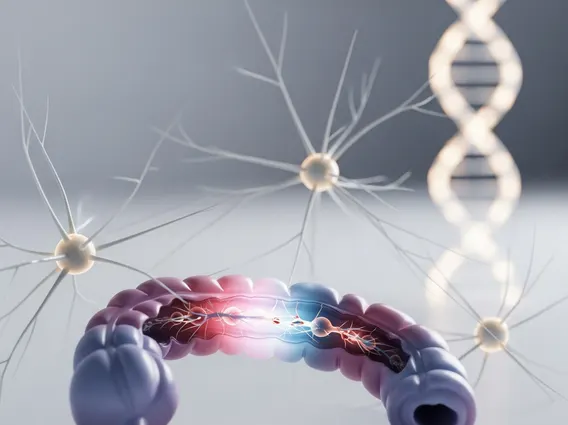
- The condition is caused by a failure of nerve cells to develop properly in the intestine during fetal growth.
- Surgical intervention is the primary and most effective Hirschsprung disease treatment.
- Early diagnosis and treatment are crucial to prevent serious complications like enterocolitis.
What is Hirschsprung Disease?
Hirschsprung Disease is a birth defect that affects the large intestine (colon) and causes problems with passing stool. It is characterized by the absence of ganglion cells, which are specialized nerve cells, in a segment of the bowel. These nerve cells are essential for the coordinated muscle contractions (peristalsis) that push waste material through the intestines. Without them, the affected segment of the colon remains permanently constricted, leading to a buildup of stool and a functional obstruction.
This condition is typically diagnosed in infancy, though milder cases may not be identified until later childhood. It is estimated to affect about 1 in 5,000 live births worldwide, with a higher incidence in males than females. The length of the affected segment can vary significantly, from a short segment near the rectum to, in rare cases, the entire large intestine (total colonic aganglionosis).
Symptoms and Causes of Hirschsprung Disease
The primary **Hirschsprung disease symptoms** often manifest shortly after birth. One of the most telling signs in newborns is the failure to pass meconium (the first stool) within the first 24 to 48 hours of life. Other common symptoms include a swollen belly, vomiting (which may be green or brown), and severe constipation. In older infants and children, symptoms might include chronic constipation, malnourishment, and failure to thrive.
The underlying **causes of Hirschsprung disease** are rooted in fetal development. During the early stages of pregnancy, nerve cells (neural crest cells) migrate down to form the enteric nervous system, which controls the digestive tract. In individuals with Hirschsprung Disease, this migration process is incomplete, resulting in a segment of the colon lacking these crucial nerve cells. While the exact reason for this incomplete migration is often unknown, genetic factors are believed to play a significant role. Approximately 15% of cases are familial, and certain genetic mutations and chromosomal abnormalities (such as Down syndrome) are associated with an increased risk.
Key symptoms to look out for in infants include:
- Failure to pass meconium within 48 hours of birth.
- Swollen abdomen.
- Vomiting, sometimes containing bile.
- Difficulty gaining weight.
- Explosive stools after a digital rectal exam.
Hirschsprung Disease Treatment Options
The definitive **Hirschsprung disease treatment** is surgical intervention. The goal of surgery is to remove the aganglionic (nerve-free) segment of the bowel and reconnect the healthy, nerve-containing portion of the colon to the anus. This procedure is commonly known as a “pull-through” operation. In many cases, this can be performed as a single-stage procedure, often minimally invasively.
Sometimes, a two-stage approach is necessary, especially if the child is very ill or has extensive disease. The first stage involves creating a temporary ostomy (colostomy or ileostomy), where a portion of the healthy intestine is brought through an opening in the abdominal wall, allowing stool to exit into a bag. This allows the inflamed bowel to heal and the child to grow stronger. The second stage, performed later, involves the pull-through procedure and closure of the ostomy. After surgery, most children experience significant improvement in bowel function, though some may require ongoing management for constipation or incontinence.