High Grade Squamous Intraepithelial Lesion
High Grade Squamous Intraepithelial Lesion (HSIL) is a significant finding on a Pap test, indicating moderate to severe changes in the cells on the surface of the cervix. These cellular changes are considered precancerous and require further evaluation and often treatment to prevent the development of cervical cancer.
Key Takeaways
- High Grade Squamous Intraepithelial Lesion (HSIL) refers to significant precancerous changes in cervical cells.
- HSIL is typically detected through routine Pap tests and confirmed with a colposcopy and biopsy.
- Most individuals with HSIL do not experience noticeable symptoms.
- Treatment primarily involves procedures to remove the affected cervical tissue, such as LEEP or cold knife conization.
- Early detection and appropriate treatment are crucial for preventing the progression of HSIL to invasive cervical cancer.
What is High Grade Squamous Intraepithelial Lesion (HSIL)?
High Grade Squamous Intraepithelial Lesion (HSIL) is a term used in pathology to describe abnormal changes in the squamous cells of the cervix, typically identified during a Pap test. These changes are considered precancerous, meaning they have the potential to develop into cervical cancer if left untreated. The term also encompasses conditions previously known as moderate to severe dysplasia or Carcinoma in Situ (CIS).
The primary cause of HSIL is persistent infection with high-risk types of the human papillomavirus (HPV). HPV is a very common sexually transmitted infection, and while most infections clear on their own, persistent infection with certain types (such as HPV 16 and 18) can lead to cellular changes over time. According to the Centers for Disease Control and Prevention (CDC), HPV is responsible for over 90% of cervical cancers. HSIL represents a more advanced stage of these cellular changes compared to Low Grade Squamous Intraepithelial Lesion (LSIL), indicating a higher risk of progression to invasive cancer.
Symptoms and Diagnosis of HSIL
Most individuals with High grade SIL symptoms do not experience any noticeable signs or symptoms. HSIL typically develops slowly over years and is often asymptomatic, which underscores the importance of regular cervical cancer screening through Pap tests. When symptoms do occur, they are usually non-specific and can include:
- Abnormal vaginal bleeding (e.g., after intercourse, between periods, or post-menopause)
- Unusual vaginal discharge
- Pelvic pain
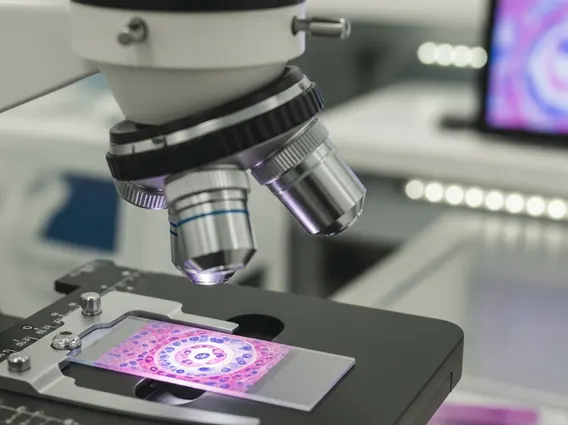
These symptoms are not exclusive to HSIL and can be indicative of many other conditions, making regular screening the most reliable method for detection. The diagnostic process usually begins with an abnormal Pap test result. If HSIL is suspected, the next step is typically a colposcopy, a procedure where a healthcare provider uses a magnifying instrument to examine the cervix. During a colposcopy, biopsies (small tissue samples) are taken from any suspicious areas. A pathologist then examines these biopsies under a microscope to provide a definitive HSIL medical definition and confirm the diagnosis.
Treatment for High Grade Squamous Intraepithelial Lesion (HSIL)
The primary goal of treatment for high grade squamous intraepithelial lesion (HSIL) is to remove the abnormal cells and prevent their progression to invasive cervical cancer. The choice of treatment depends on several factors, including the extent and location of the lesion, the patient’s age, and future fertility plans. Common treatment options include:
One of the most common and effective treatments is the Loop Electrosurgical Excision Procedure (LEEP). During a LEEP, a thin wire loop heated by an electric current is used to remove the abnormal tissue from the cervix. This procedure is typically performed in an outpatient setting under local anesthesia. Another effective treatment is cold knife conization, which involves using a surgical scalpel to remove a cone-shaped piece of tissue from the cervix. This method allows for a more precise removal of tissue and is often used for larger lesions or when the abnormal cells extend further into the cervical canal.
After treatment, regular follow-up appointments, including Pap tests and HPV testing, are crucial to ensure that all abnormal cells have been removed and to monitor for recurrence. The success rate for treating HSIL is very high, significantly reducing the risk of developing cervical cancer. It is important for individuals to adhere to their follow-up schedule and discuss any concerns with their healthcare provider.