High Energy Photon Therapy
High Energy Photon Therapy is a sophisticated radiation treatment technique used primarily in oncology. It precisely targets cancerous cells while minimizing damage to surrounding healthy tissues, representing a significant advancement in cancer care.
Key Takeaways
- High Energy Photon Therapy uses high-energy X-rays (photons) to destroy cancer cells.
- It is a precise treatment method, reducing harm to healthy tissues.
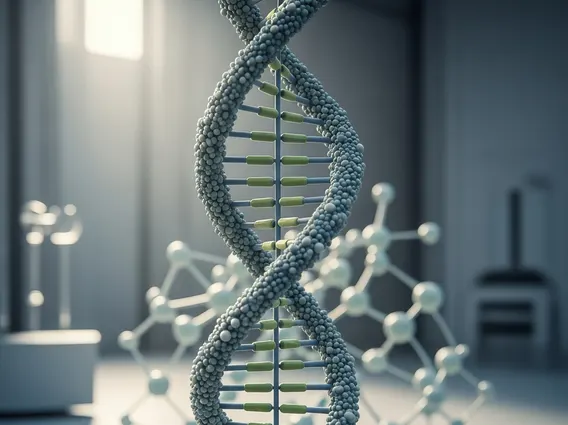
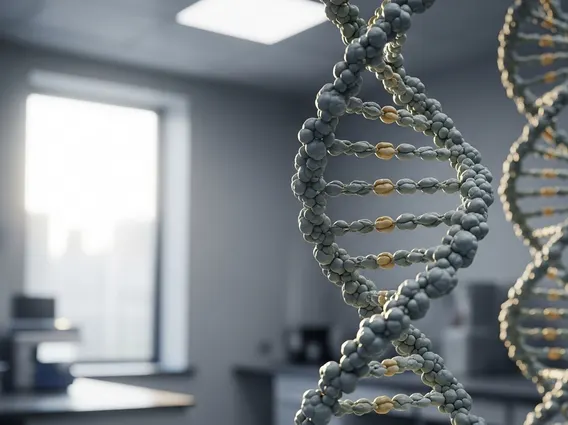
- The therapy works by damaging the DNA of cancer cells, preventing their growth and division.
- It offers benefits such as improved tumor targeting and reduced side effects compared to conventional radiation.
- This therapy is primarily used for various types of cancer, often as part of a comprehensive treatment plan.
What is High Energy Photon Therapy?
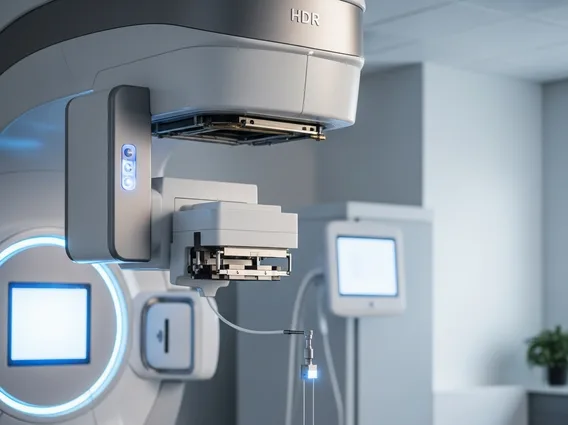
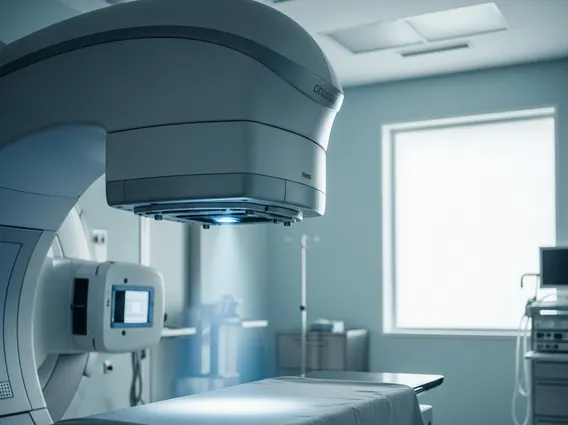
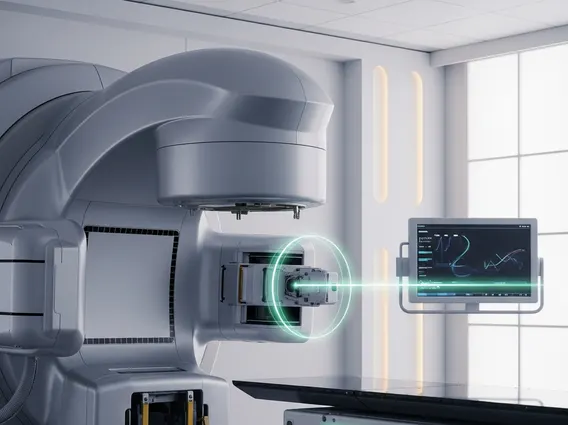
High Energy Photon Therapy is a form of external beam radiation therapy that utilizes high-energy X-rays (photons) to treat various types of cancer. These photons are generated by a linear accelerator and are directed with precision to the tumor site. The goal of this advanced treatment is to deliver a high dose of radiation to the cancerous cells, effectively damaging their DNA and inhibiting their ability to grow and divide, while sparing as much healthy tissue as possible. This approach is a cornerstone in modern radiation oncology, offering a non-invasive method to manage and eradicate malignant tumors.
How High Energy Photon Therapy Works for Cancer Treatment
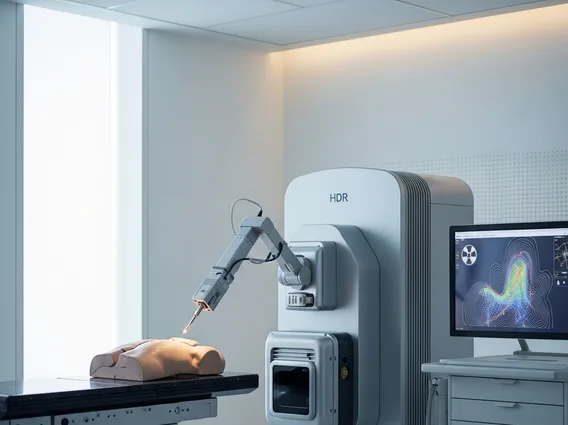
High Energy Photon Therapy operates on the principle of delivering ionizing radiation directly to cancer cells. Before treatment begins, a meticulous planning process is undertaken, involving imaging scans like CT, MRI, or PET to accurately map the tumor’s location, size, and shape. This detailed mapping allows radiation oncologists to create a highly individualized treatment plan, determining the precise angles, intensity, and energy levels of the photon beams. During the actual treatment, a linear accelerator (LINAC) generates high-energy photons which are then shaped and directed towards the tumor. As these photons pass through the body, they deposit energy, creating free radicals that damage the DNA within the cancer cells. This DNA damage prevents the cells from repairing themselves, leading to their eventual death. The precision of this therapy is crucial, as it allows for the targeting of deep-seated tumors and those in sensitive areas, minimizing radiation exposure to adjacent vital organs and tissues. This makes high energy photon therapy for cancer a highly effective and targeted approach.
Benefits of High Energy Photon Therapy
The application of High Energy Photon Therapy offers several significant advantages in the treatment of cancer. Its primary benefit lies in its exceptional precision, which allows for highly conformal radiation delivery. This means the radiation dose can be shaped to closely match the tumor’s contours, even for irregularly shaped or deeply located tumors. This precision is critical for reducing the risk of damage to surrounding healthy tissues and organs, thereby potentially lowering the incidence and severity of side effects often associated with radiation therapy. Patients undergoing this treatment may experience a better quality of life during and after therapy due to fewer complications.
Here are some key benefits:
- Enhanced Tumor Targeting: Advanced imaging and planning systems enable highly accurate targeting of cancerous cells, even in complex anatomical locations.
- Reduced Side Effects: By minimizing radiation exposure to healthy tissues, patients often experience fewer and less severe side effects compared to conventional radiation techniques.
- Versatility: Effective for treating a wide range of cancers, including those of the brain, lung, prostate, breast, and head and neck.
- Improved Dose Distribution: Allows for higher radiation doses to be delivered to the tumor while keeping doses to critical structures within safe limits.
This targeted approach contributes to improved treatment outcomes, including higher rates of local tumor control and potentially increased survival rates for many cancer patients.