High Dose Rate Remote Radiation Therapy
High Dose Rate Remote Radiation Therapy is an advanced form of internal radiation therapy used in oncology. This precise treatment delivers high doses of radiation directly to cancerous tissues, minimizing exposure to surrounding healthy organs.
Key Takeaways
- High Dose Rate Remote Radiation Therapy (HDR) is a type of brachytherapy that delivers concentrated radiation doses.
- It involves temporarily placing a radioactive source directly into or near the tumor.
- The therapy offers precise targeting, reducing damage to healthy tissues.
- HDR treatments are typically shorter and can lead to fewer overall treatment sessions.
- It is a versatile option for various cancer types, often used in conjunction with other treatments.
What is High Dose Rate Remote Radiation Therapy (HDR)?
High Dose Rate Remote Radiation Therapy (HDR) is a sophisticated form of brachytherapy, which is a type of internal radiation therapy. This treatment involves placing a highly radioactive source directly inside or very close to the tumor for a short, controlled period. Unlike external beam radiation, where radiation comes from outside the body, HDR delivers radiation from within, allowing for a very concentrated dose to the cancerous area while sparing nearby healthy tissues. The term “remote” refers to the fact that the radioactive source is precisely controlled by a computer-driven machine from a shielded room, ensuring safety for medical staff. A key aspect of this approach is the high dose rate brachytherapy explanation, which highlights the rapid delivery of radiation over minutes, rather than hours or days, as seen in low dose rate (LDR) brachytherapy. This method is particularly effective for certain types of cancer where precise, localized treatment is crucial.
How High Dose Rate Brachytherapy Works
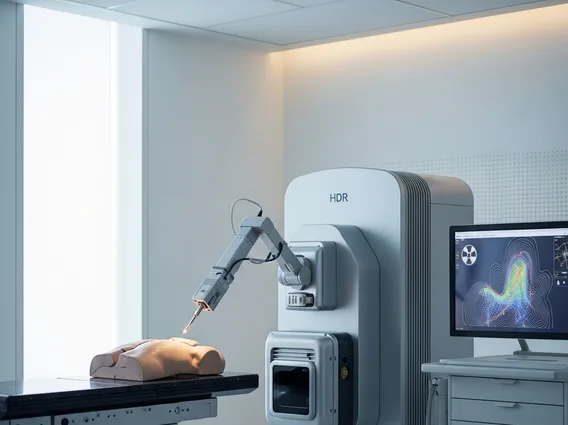
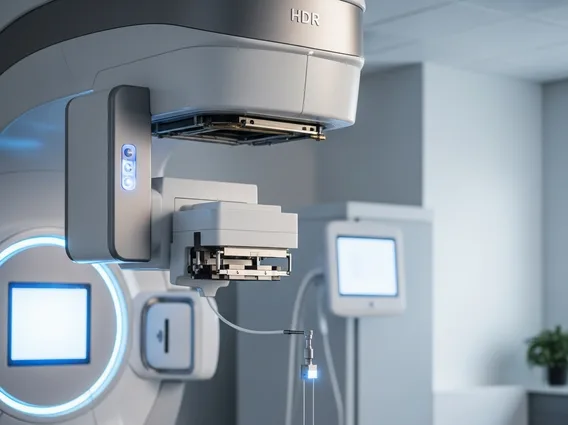
The mechanism of High Dose Rate Brachytherapy involves several precise steps to ensure effective and safe treatment. First, an applicator or catheter is carefully placed into or near the tumor under imaging guidance (such as ultrasound, CT, or MRI). This placement is crucial for accurate radiation delivery. Once the applicator is in position, it is connected to a computer-controlled HDR afterloader machine. This machine houses a tiny, powerful radioactive source, typically Iridium-192. During the treatment, the source is temporarily advanced through the applicator to specific, pre-planned positions within the tumor area. The duration at each position is meticulously calculated by a radiation oncologist and medical physicist to deliver the prescribed radiation dose. After the treatment time, which usually lasts only a few minutes, the radioactive source is retracted back into the shielded afterloader, and the applicator is removed from the patient. Because the source is removed after each treatment session, the patient is not radioactive after the procedure, allowing them to return home shortly after. This precise, temporary placement allows for highly conformal dose distribution, meaning the radiation dose closely matches the shape of the tumor.
Benefits of High Dose Rate Radiation Therapy
The benefits of high dose rate radiation therapy are significant, offering several advantages over other forms of radiation treatment. One primary benefit is the ability to deliver a high dose of radiation directly to the tumor while minimizing exposure to surrounding healthy organs and tissues. This precision reduces the risk of side effects and can lead to better patient outcomes. According to the American Society for Radiation Oncology (ASTRO), brachytherapy, including HDR, is a highly effective treatment modality for various cancers, often resulting in excellent local control rates.
Other key advantages include:
- Shorter Treatment Times: HDR treatments are typically delivered in fewer sessions over a shorter overall period compared to conventional external beam radiation therapy, often allowing patients to complete their treatment course more quickly.
- Outpatient Procedure: Many HDR treatments can be performed on an outpatient basis, enhancing patient convenience and reducing hospital stays.
- Targeted Dose Escalation: The ability to deliver a higher dose per fraction directly to the tumor can lead to improved tumor control, especially for radioresistant cancers.
- Flexibility: HDR can be used as a standalone treatment, in combination with external beam radiation therapy, or as a boost following surgery.
- Reduced Patient Immobilization: The short treatment duration means patients need to remain still for a shorter period, which can be more comfortable.
This targeted approach allows for a highly customized treatment plan, adapting to the specific needs of each patient and the characteristics of their tumor.