High Dose Rate Remote Brachytherapy
High Dose Rate Remote Brachytherapy is an advanced and highly targeted form of radiation therapy used in the treatment of various cancers. This technique delivers a concentrated dose of radiation directly to the tumor site, minimizing exposure to surrounding healthy tissues.
Key Takeaways
- High Dose Rate Remote Brachytherapy (HDR) is a precise internal radiation therapy.
- It delivers high doses of radiation directly to tumors, sparing healthy tissue.
- Benefits include shorter treatment times, fewer side effects, and improved local control.
- The procedure involves temporary placement of a radioactive source within or near the tumor.
- HDR is a crucial option for various cancers, often used with external beam radiation.
What is High Dose Rate Remote Brachytherapy (HDR)?
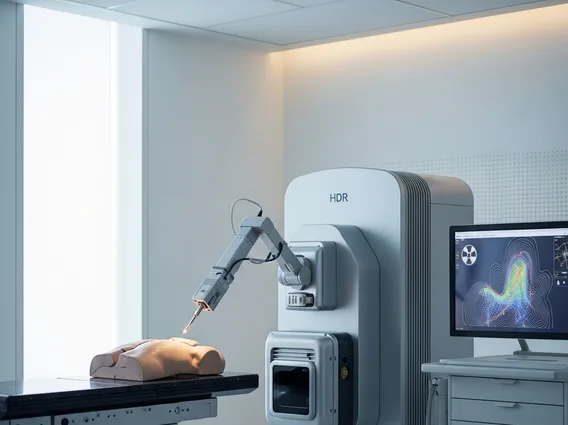
High Dose Rate Remote Brachytherapy (HDR) is a sophisticated form of internal radiation therapy where a highly radioactive source is temporarily placed inside or very close to the tumor. Unlike external beam radiation, which delivers radiation from outside the body, HDR brachytherapy allows for a very high dose to be delivered directly to cancerous cells with extreme precision. This method significantly reduces radiation exposure to nearby healthy organs and tissues, minimizing potential side effects. The “remote” aspect refers to the computer-driven control of the radioactive source, ensuring precise placement and removal without direct human handling during treatment.
This targeted approach is particularly effective for certain cancers, including prostate, gynecological (cervical, endometrial, vaginal), breast, and lung cancers. Treatment is typically delivered in several short sessions over a few days or weeks, offering a highly conformal dose distribution tailored to the unique shape and location of each tumor. The ability to precisely control the dose and duration of radiation makes HDR a powerful tool in modern oncology, often used alone or in combination with other treatments.
Benefits of HDR Remote Brachytherapy
The advantages of High Dose Rate Remote Brachytherapy are significant, making it a preferred treatment option for many patients. Its precision and controlled delivery offer several key benefits:
- Highly Targeted Treatment: Radiation is delivered directly to the tumor, allowing for a very high dose to cancerous cells while minimizing exposure to surrounding healthy tissues. This precision helps reduce the risk of side effects.
- Shorter Treatment Duration: HDR treatments are typically delivered in fewer sessions compared to conventional external beam radiation therapy, often completed in days or weeks. This offers greater convenience for patients.
- Improved Local Control: The ability to deliver a high, concentrated dose directly to the tumor can lead to excellent local control rates, reducing the likelihood of cancer recurrence in the treated area.
- Reduced Side Effects: By sparing healthy tissues, HDR brachytherapy often results in fewer and less severe side effects. For example, in prostate cancer, it can significantly reduce the risk of rectal or bladder complications.
- Customizable Treatment Plans: Each HDR treatment plan is highly individualized, designed to conform to the specific shape and size of the tumor, optimizing dose distribution for maximum efficacy and safety.
According to the American Brachytherapy Society, brachytherapy, including HDR, plays a crucial role in achieving high cure rates and improving quality of life for patients with various cancers, often allowing for organ preservation.
How HDR Brachytherapy Works
The process of High Dose Rate Remote Brachytherapy involves several carefully planned steps. Initially, the patient undergoes imaging scans (e.g., CT or MRI) to precisely map the tumor’s location and its relationship to surrounding organs. Based on these images, a personalized treatment plan is developed by a radiation oncologist and a medical physicist.
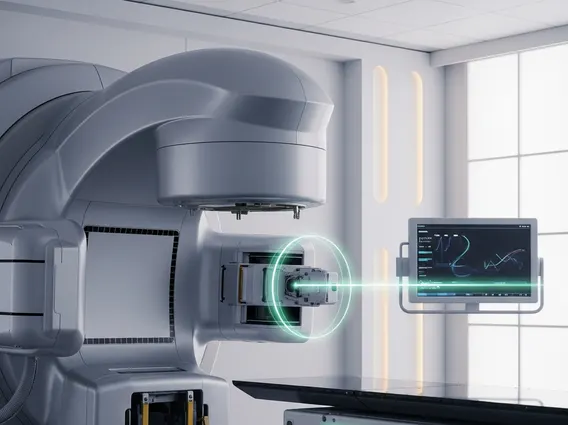
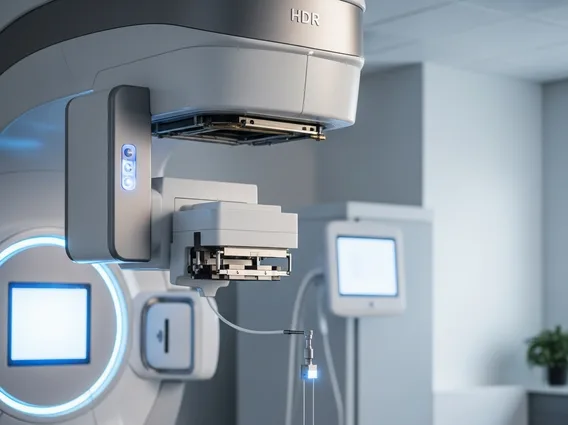
During the procedure, thin catheters or applicators are temporarily placed into or near the tumor. Placement varies by cancer type; for instance, in gynecological cancers, applicators might be placed into the vagina or uterus, while for prostate cancer, needles are inserted into the prostate gland. Once in place, these are connected to an HDR afterloader machine. This machine houses a tiny, highly radioactive source (often Iridium-192) that is remotely guided through the catheters to specific positions within the tumor area. The source remains in each position for a predetermined time, delivering a precise dose of radiation before moving or being retracted. Radiation delivery for a single session typically lasts only a few minutes. After delivery, the source is safely retracted, and catheters/applicators are removed, leaving no radioactive material in the patient’s body. Patients can usually go home shortly after, with subsequent sessions following a similar pattern until the full prescribed dose is delivered.